




You’re replacing a toilet or installing a new one, and everything seems straightforward until you get to the flange. Suddenly, you’re dealing with sizing, materials, and compatibility, with no clear answer on what actually fits your setup.
Toilet flanges are not complicated, but choosing the wrong one can lead to serious problems. A poor fit can cause leaks at the base, persistent odors, and a toilet that never feels stable. Getting it right from the start avoids all of that and makes installation much smoother.
What type of flange fits your toilet depends on a few key factors: the size of your drain pipe, the material of your plumbing, and the condition of the existing connection. Once these are clear, the right choice becomes simple.
This guide breaks down flange sizes, types, and how to identify the correct option for your setup so you can install or replace your toilet with confidence.
Key Takeaways
- Toilet flanges come in three-inch and four-inch sizes, matching your drain pipe diameter.
- Flanges are not universal; their size depends on the drain pipe diameter, not the toilet brand.
- To find your flange size, measure the diameter of your drain pipe with a tape measure.
- Choose a flange material based on your drain pipe: PVC, ABS, cast iron, or brass.
- Call a professional if your flange is damaged, cracked, or if your installation attempts repeatedly fail.
What Type of Flange Fits My Toilet?
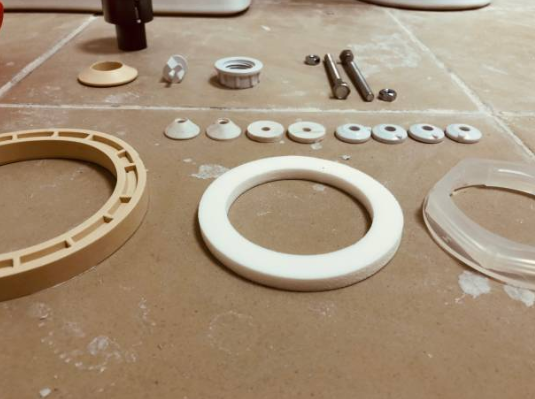
The answer depends on three things: your drain pipe diameter, the flange material that matches your piping, and the height of your flange relative to the floor.
Start with pipe diameter. Most residential drains are either three inches or four inches. A three-inch flange fits a three-inch drain pipe. A four-inch flange fits a four-inch drain pipe. That’s the foundation of the decision.
Next, consider the material. If your drain pipe is PVC plastic, your flange should also be PVC. If it’s ABS plastic, use an ABS flange. If it’s cast iron, use a cast-iron flange or a rubber adapter ring. If it’s brass or copper, use a brass flange. Mixing materials can cause corrosion, poor seals, and leaks. The flange must be compatible with your existing pipe.
Third, account for floor height. The flange should sit at or slightly above your finished floor level. A flange that sits too low results in an unstable toilet.
A flange too high creates gaps where the wax ring can’t seal properly. Most flanges are designed to sit at standard floor height (typically one-quarter inch above the finished floor), but if your bathroom floor is unusual or has been built up over time, this matters.
In practice, the type of flange that fits your toilet comes down to measurements and matching. Measure the diameter of your drain pipe, check the pipe material, and verify the flange height relative to your floor level. These three steps ensure the flange fits correctly and creates a proper seal.
Are Toilet Flanges Universal?
This is the most common misconception about flanges. Homeowners assume all toilet flanges are interchangeable, like light bulbs or outlet covers. They’re not.
A three-inch flange will not fit a four-inch drain pipe. A PVC flange can cause corrosion issues with cast iron pipes. An oversized flange will rock on a smaller pipe, and an undersized flange won’t seal properly. The consequence of using the wrong flange is immediate: water leaks around the base of the toilet, odor issues, or an unstable toilet that feels like it might shift when you sit on it.
The reason flanges are not universal is straightforward. Your drain pipe has a specific diameter, and the flange is engineered to seal against that diameter. There’s no way around it. A flange must match your pipe size to create the watertight seal that prevents leaks and keeps your home sanitary.
What confuses most homeowners is that manufacturers don’t advertise “universal” flanges because they don’t exist. Every flange is sized and material-specific. Your responsibility is to identify your pipe size and material, then select the flange that matches. It’s a straightforward process once you know what to look for.
Toilet Flange Sizes Explained
The standard sizes are three inches and four inches, referring to the inside diameter of the drain opening where the flange connects to the pipe.
A three-inch flange is the most common in older homes and smaller bathroom setups. It’s the standard size for most residential toilet installations. If your home was built before 1980, three inches is likely what you have.
A four-inch flange is increasingly common in newer construction and commercial installations. Some homes built in the 1990s and later use four-inch drains. A four-inch flange accommodates a larger volume of waste flow, which is useful when multiple plumbing fixtures connect to the same drain line.
The difference isn’t just size. A four-inch flange offers a larger sealing surface and greater stability. However, this doesn’t mean bigger is always better for your home. If your drain pipe is three inches, installing a four-inch flange is impossible and unnecessary.
Measuring toilet flange size is simple: determine your drain pipe’s inner diameter. Measure straight across the pipe opening. Three inches means the pipe is three inches wide inside. Four inches means it’s four inches. That measurement determines your flange size.
Some homes have unusual sizes, particularly if plumbing has been modified over time. Occasionally, you’ll find a two-inch drain (typically in very old homes) or a five-inch drain (rare, but it happens). Measure your specific drain to be certain before purchasing a flange.
How to Measure a Toilet Flange
The process is straightforward and requires only a tape measure.
Start by removing the old toilet if you’re replacing it. You don’t need to remove the flange yet. Simply use your tape measure to measure the inside diameter of the opening in your drain pipe. Measure straight across from one side to the other. Make a note of the measurement.
If you’re measuring the existing flange (which you can do without removing it), measure the flange’s opening diameter. This should match your drain pipe. The flange is the ring that sits on top of the drain pipe.
For floor height, measure the distance from your finished floor to the top of the flange. Ideally, the flange sits level with the floor or just slightly above it (about one-quarter inch). If the flange is more than half an inch above the floor or is below floor level, you may need a repair or replacement flange designed for different floor heights.
Document all three measurements: drain pipe diameter, flange material (check your pipe), and flange height. With these measurements in hand, you can purchase the correct flange with confidence.
Common problems arise when homeowners guess at flange size. Always measure. A guess costs money and delays your project.
What Size Toilet Flange Do I Need?
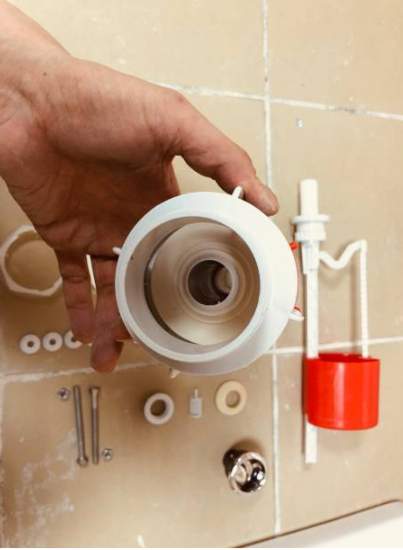
Once you’ve measured, matching your flange is simple.
If your drain pipe measures three inches, you need a three-inch flange. If it measures four inches, you need a four-inch flange. The flange size matches the drain pipe size. There’s no variation here.
Next, confirm the material. Look at your drain pipe. Is it white plastic (PVC), black plastic (ABS), gray or black cast iron, or metal? Match that material with the flange material.
For floor height, consider whether your flange needs to be standard height or adjustable. Standard flanges work for most installations. If your floor height is unusual or you’re building up the floor, look for adjustable flanges that allow for height adjustment.
Once you have the pipe diameter, material, and floor height confirmed, you’ve determined the size toilet flange you need. Purchase that specific size and material, and installation becomes straightforward.
The common mistake is buying a generic “universal” flange. These don’t exist. Buy the specific size that matches your measurements.
Types of Toilet Flanges
Understanding the different types helps you choose the right one for your situation.
Material Types
PVC flanges are made of plastic and are suitable for PVC drain pipes. They’re affordable and common in newer homes. ABS flanges are black plastic used with ABS drain pipes. Cast iron flanges are suitable for cast iron drains common in older homes. Brass flanges are used with brass or copper pipes.
The material matters because it affects how well the flange seals against the pipe and how well it resists corrosion. Mismatched materials can corrode or fail prematurely.
Installation Types
Standard flanges are the most common. They bolt directly onto the drain pipe opening.
Offset flanges shift the toilet position slightly. These are useful when the drain pipe is positioned inconveniently for the toilet or when you’re trying to fit a toilet in a tight space.
Repair flanges are designed to sit on top of an existing damaged flange. If your old flange is cracked or corroded but can’t be easily removed, a repair flange can be installed over it.
Adjustable flanges allow height variation. If your floor is uneven or you’ve added flooring material, an adjustable flange accommodates different heights.
Choose based on your specific situation. Most installations use a standard flange, but if your situation is unusual, the other types solve common problems.
4 Common Problems with Wrong Flange Size
Using an incorrect flange creates immediate, visible problems.
- Leaks at the Base
This is the most common issue. If the flange doesn’t seal properly to the drain pipe, water seeps around the toilet base. You’ll notice wetness on the floor or smell an odor. This happens when the flange is too small for the pipe or doesn’t create a proper seal.
- Unstable Toilet
An undersized or oversized flange causes the toilet to rock. When the wax ring can’t seat properly, the toilet shifts when you sit on it. This is both uncomfortable and a warning sign that the seal is failing.
- Poor Seal and Odor
A flange that doesn’t match the pipe allows sewer gas to escape around the toilet. You’ll smell an odor even though the toilet drains normally.
- Water Damage
Over time, a leaking flange can cause water to seep into subfloors and structural materials. This leads to mold, rot, and expensive damage. Water damage is the costliest consequence of using the wrong flange.
How to Choose the Right Flange for Your Setup
Choosing the right toilet flange starts with understanding your existing setup. The correct fit depends on the pipe size, material, and the position of your floor relative to the drain. Once these factors are clear, selecting the right flange becomes much easier.
- Start by measuring the drain pipe diameter and identifying the material, such as PVC, ABS, or cast iron
- For standard floor height and a straightforward drain layout, use a standard flange that matches the pipe size and material
- If the floor sits below the flange level or additional flooring has been installed, use an adjustable or repair flange designed for height differences
- If the existing flange is corroded, damaged, or difficult to remove, install a repair flange over it instead of forcing removal
- If the drain pipe is not aligned with the toilet position, use an offset flange to correct the placement
In most cases, a standard flange that matches the pipe size and material will work for typical installations. The key is matching the flange to your specific setup rather than forcing a universal solution.
When to Call a Professional
Several situations warrant professional help rather than DIY attempts.
- If your existing flange is stuck, damaged, or corroded to the point where you can’t safely remove it, a plumber has the tools and experience to handle removal without damaging the drain pipe.
- If your drain pipe is damaged, cracked, or corroded, the flange alone won’t solve the problem. Professional diagnosis determines whether the pipe needs repair or replacement.
- If your installation attempts have failed, don’t keep trying. Multiple failed attempts can damage the flange, wax ring, or drain pipe. A professional assessment identifies what’s going wrong and provides a lasting solution.
- If water continues to leak after flange installation, the problem may be deeper than flange sizing. A professional uses proper technique and diagnostic tools to identify and resolve the underlying issue.
Green Energy AC Heating & Plumbing Repair handles flange replacements, toilet installations, and leak diagnosis. Our technicians measure accurately, select the correct flange, and ensure proper installation on the first try.
We handle stuck flanges, damaged pipes, and unusual situations that DIY approaches can’t solve. Contact us for professional toilet flange installation.
Ensuring Your Toilet Flange Works Properly
Getting the flange right is the foundation of a properly functioning toilet. A correctly sized and installed flange creates a watertight seal, keeps your toilet stable, and prevents water damage.
The process is straightforward: measure the diameter of your drain pipe, check the pipe material, verify your floor height, and select a matching flange. Most homeowners can identify these measurements themselves. Purchasing the correct flange takes minutes. Installation is straightforward once the flange matches your setup.
If your measurements are unclear, if your flange is stuck, or if your DIY attempt fails, that’s exactly the time to call a professional like Green Energy AC Heating & Plumbing Repair. A plumber’s expertise saves money compared to repairing water damage from a leaking toilet.
Take time to identify your flange needs accurately before purchasing or installing. The right flange prevents problems that cost thousands to repair.
The wrong flange leads to leaks, odor, and structural damage. The difference between correct and incorrect comes down to measurement and matching. Do it correctly, and your toilet will function properly for years.