




Dust drifting through the air vents can make a home feel less clean no matter how often it is vacuumed. A thin layer appears on furniture shortly after cleaning, and sometimes visible particles blow from vents when the air conditioner starts. Many homeowners assume the AC is creating dust, but the truth is more complicated.
Air conditioning systems circulate the air already inside the home. When dust builds up in ductwork, filters, or return vents, the system can spread those particles throughout the house. Over time, this circulation can make it seem like the air conditioner itself is producing dust.
The good news is that dust from an HVAC system is usually preventable. With the right maintenance habits and a few system improvements, indoor air can stay much cleaner and healthier.
Read on to learn why dust appears around air vents, what causes it inside HVAC systems, and how to prevent dust from spreading through your air conditioner.
Key Takeaways
- Air conditioners do not create dust but circulate particles already inside the home.
- Dirty air filters are the most common reason dust spreads through vents.
- Leaky ducts can pull dust from attics or crawl spaces into the system.
- Routine HVAC maintenance helps keep airflow clean and efficient.
- Improving filtration and sealing ducts can significantly reduce indoor dust.
Why Dust Comes From Air Conditioners
Air conditioning systems move air throughout the home using a network of ducts and vents. As air circulates, it carries dust particles that are already present indoors. When those particles collect inside the HVAC system, they may eventually travel back into the living space.
Most homes naturally accumulate dust from daily activities such as cooking, cleaning, walking across carpets, or even opening doors and windows. The HVAC system simply moves that air from one area of the house to another.
Dust becomes more noticeable when it collects in certain parts of the system or when airflow becomes restricted.
Air Circulation Through the HVAC System
The blower inside your HVAC system pulls air through return vents and sends it through the air filter before pushing it through the duct system. Once the air is cooled, it travels through supply vents into different rooms. If dust builds up anywhere along that path, the moving air can carry those particles back into the home.
Dust Already Present in the Home
Many sources inside the house contribute to dust levels. Clothing fibers, pet dander, pollen from outside, and particles from carpets or furniture all add to indoor dust. When the air conditioner runs, it circulates these particles throughout the duct system.
Dust Entering Through Return Vents
Return vents draw air from the home back into the HVAC system. If those vents are dusty or located near high traffic areas, they can pull in large amounts of particles that eventually circulate through the system. Keeping these vents clean helps reduce the amount of dust entering the HVAC system.

5 Common Causes of Dust Coming From AC Vents
Several issues within an HVAC system can cause dust to circulate more than usual. Identifying these problems is the first step toward preventing dust buildup.
1. Clogged or Dirty Air Filters
Air filters are designed to trap dust before air enters the HVAC equipment. When filters become clogged with dirt and debris, they can no longer capture particles effectively.
As airflow pushes through a dirty filter, dust may bypass the filter and move through the duct system. Replacing filters regularly helps keep dust levels under control.
2. Leaky Ductwork
Ducts that run through attics, crawl spaces, or basements can develop small gaps or loose connections. When this happens, the system may pull in dust from those areas.
Attics and crawl spaces often contain insulation particles, dirt, and other debris. If ductwork leaks, these materials can enter the airflow and spread throughout the home.
3. Dirty Evaporator Coils
The evaporator coil inside the air handler cools the air before it enters the ducts. Over time, dust may accumulate on the coil surface.
When airflow moves across a dirty coil, particles can become dislodged and travel through the system. Professional cleaning during routine maintenance helps prevent this buildup.
4. Low Quality Air Filters
Basic filters capture larger particles but may allow smaller dust particles to pass through. Upgrading to higher efficiency filters can improve filtration and reduce the amount of dust circulating through the home.
5. Poor Home Sealing
Small gaps around windows, doors, or attic spaces allow outside dust to enter the home. Once inside, those particles eventually circulate through the HVAC system.
Improving home sealing and insulation can help reduce this problem.
How to Prevent Dust From Your Air Conditioner
Preventing dust circulation requires both HVAC maintenance and simple home care habits. Several steps can significantly improve indoor air quality.
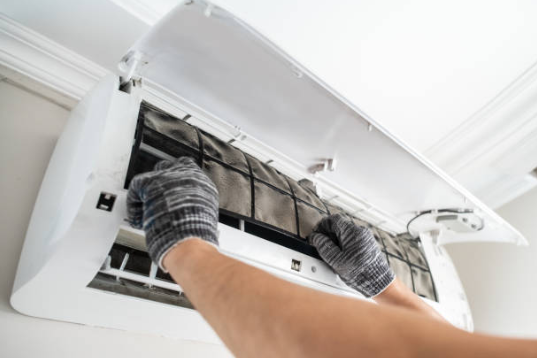
1. Replace Air Filters Regularly
Air filters play the most important role in capturing dust before it enters the HVAC system.
Replacing filters every few months keeps airflow clean and prevents excessive dust from entering the duct system.
Homes with pets or higher indoor dust levels may need more frequent filter changes.
2. Keep Return Vents Clean
Return vents pull air from the home into the HVAC system. Dust often collects around these vents over time.
Regularly vacuuming the vent covers and surrounding areas helps prevent dust from entering the system.
3. Schedule Routine HVAC Maintenance
Professional maintenance visits allow technicians to inspect and clean components inside the system.
During maintenance, technicians check coils, inspect filters, and evaluate airflow throughout the duct system.
Keeping the system clean reduces the amount of dust circulating through the house.
4. Seal and Repair Ductwork
Leaky ducts can introduce dust from areas such as attics or crawl spaces. Sealing duct connections prevents outside particles from entering the airflow.
Professional duct inspections can identify leaks and restore proper airflow throughout the system.
5. Upgrade Your Air Filtration System
Homes with persistent dust problems may benefit from advanced filtration systems.
High efficiency filters and air purification systems capture smaller particles and improve overall indoor air quality.
These upgrades are especially helpful for households with allergies or respiratory concerns.
Other Ways to Reduce Dust in Your Home
While the HVAC system plays a major role in air circulation, general cleaning habits also influence dust levels.
Use High Quality Air Filters
Higher efficiency filters capture more airborne particles. These filters help reduce the amount of dust circulating through the HVAC system.
Vacuum and Clean Regularly
Vacuuming carpets and dusting surfaces reduces the amount of particles available to circulate through the air. Using vacuum cleaners with HEPA filtration can capture even smaller dust particles.
Maintain Proper Humidity Levels
Air that is too dry allows dust to remain airborne longer. Maintaining balanced humidity levels helps dust settle so it can be removed through cleaning.
Consider Air Purifiers
Air purifiers add another layer of filtration to remove airborne particles that may not be captured by standard HVAC filters.
These systems can help reduce dust, pollen, and other indoor pollutants.
Signs Your HVAC System May Need Professional Cleaning
Persistent dust problems sometimes indicate deeper issues within the HVAC system.
Signs that professional inspection may be necessary include visible dust blowing from vents, increased allergy symptoms, or unusually weak airflow.
Homes experiencing uneven cooling or excessive dust buildup despite regular cleaning may also benefit from duct inspection.
Professional technicians can identify hidden issues that contribute to poor air quality.
Final Thoughts
Dust coming from air vents is often the result of airflow problems, dirty filters, or leaky ducts rather than the air conditioner itself. Because HVAC systems circulate air throughout the home, even small dust sources can spread quickly.
Regular filter replacement, duct maintenance, and professional inspections help keep dust levels under control and improve indoor air quality.
If you are noticing excessive dust around your vents or throughout your home, the team at Green Energy Mechanical can help identify the cause. Our technicians inspect HVAC systems carefully and recommend practical solutions to keep your air clean and your system running efficiently.
Call Green Energy Mechanical today at 781-236-3421 to schedule service with our team and improve your home’s comfort and indoor air quality.
FAQs
How often should AC air filters be replaced?
Most air filters should be replaced every one to three months depending on the type of filter, the number of occupants in the home, and whether pets are present. Replacing filters regularly helps trap dust and improve indoor air quality.
Can dirty ductwork cause dust in the house?
Yes. Dust can accumulate inside ductwork over time. If ducts are dirty or have leaks, the HVAC system may circulate that dust throughout the home. Duct inspection and cleaning can help reduce this problem.
Do air purifiers help reduce dust from air conditioners?
Air purifiers can help remove small airborne particles that may pass through standard air filters. When used alongside a properly maintained HVAC system, air purifiers can improve indoor air quality and reduce dust circulation.
Why does my house get dusty when the AC turns on?
When the air conditioner starts, the blower pushes air through the duct system. If dust has collected inside the ducts or around vents, the moving air can carry those particles into the rooms.
Can sealing ducts reduce dust from vents?
Yes. Sealing duct leaks prevents dust from entering the system through attics, crawl spaces, or wall cavities. Properly sealed ducts improve airflow and reduce the amount of dust circulating through the home.