




The storm is over, the skies are clear, and yet the familiar hum of the sump pump keeps echoing through the basement. Hours later, it is still cycling on and off, leaving many homeowners wondering if something has gone wrong.
In many cases, a sump pump running constantly after heavy rain is doing exactly what it was designed to do. Some systems may run for two or even three days after a major storm as they continue removing groundwater from around the foundation. Heavy rainfall does not disappear when the clouds clear, and saturated soil can keep feeding water into the sump pit long after the weather improves.
The concern begins when the pump continues running well beyond that period or never seems to shut off at all. Knowing the difference between normal post-storm operation and a developing problem can help prevent basement flooding, unnecessary repairs, and costly water damage.
In this guide, we’ll explain why sump pumps keep running after heavy rain, when it is considered normal, and the warning signs that indicate it’s time for professional service.
Key Takeaways
- A sump pump running for two to three days after heavy rain is usually normal, not a malfunction.
- Constant running once the ground dries often points to a stuck float switch or failed check valve.
- A failed check valve creates a backflow loop, so the pump keeps clearing the same water repeatedly.
- Most sump pumps last 7 to 10 years, and constant cycling shortens that life fast.
- Rising water in the pit despite pumping is a flood warning that needs a plumber right away.
Why Is Your Sump Pump Running Constantly After Heavy Rain?
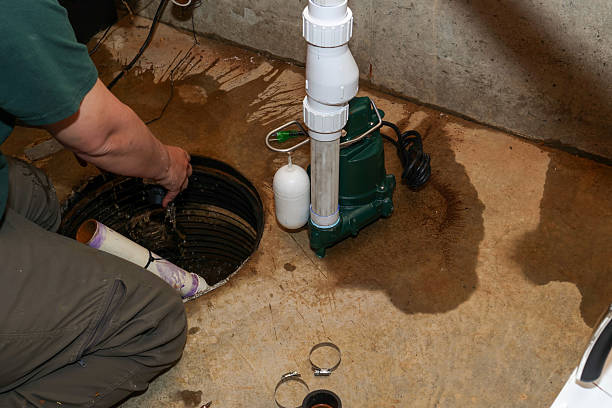
Your sump pump runs constantly after heavy rain because it is draining a surge of groundwater away from your foundation, which is normal for a day or two while the soil stays saturated. It becomes a problem when the pump never shuts off after the ground dries out. At that point the usual causes are a stuck float switch, a failed check valve, a clogged discharge line, or a pump that is simply too small for the job.
The key is timing. During and right after a storm, near constant running shows the system is keeping up with the water. When that same pace continues for days of dry weather, something is forcing the pump to work when it should be resting.
When Constant Running Is Actually Normal
A sump pump that runs nonstop during wet weather is usually a sign of a healthy system, not a broken one. Heavy rain, spring snowmelt, a naturally high water table, and even nearby construction can all push extra groundwater toward your home. The pump responds by cycling more often to keep the sump pit from overflowing.
After a major storm, two to three days of frequent running is common while the saturated soil slowly drains. If the cycling slows down and stops once the weather clears and the ground firms up, your system is working the way it should. The concern begins only when the pump keeps running well past that window, or when it runs hard with no rain in sight.
6 Reasons Your Sump Pump Won’t Stop Running After the Rain Ends
When the pump keeps cycling long after the storm, the cause usually falls into one of a few buckets. Some are quick fixes, while others point to a worn part or a system that is undersized for your home.
1. A Stuck or Jammed Float Switch
The float switch is the most common culprit, and the good news is it is often the easiest to fix. The float rises with the water and tells the pump when to start and stop, much like the float in a toilet tank. If debris jams it or the arm gets caught against the pit wall, the switch stays in the on position and the pump never shuts off.
2. A Failed Check Valve
A failed check valve creates a frustrating loop. The check valve sits in the discharge pipe and keeps pumped water from flowing back into the pit. When it wears out or sticks open, that water drains right back down, so the pump keeps clearing the same water again and again. A gurgling sound or water that rises and drops quickly in the pit usually points here.
3. A Clogged or Frozen Discharge Line
If the discharge line is blocked by sediment, debris, or ice, the water has nowhere to go and the pump keeps running while the pit stays full. In a Canton winter, water left in an uninsulated discharge pipe can freeze and create the same backup. Clearing or insulating the line solves it.
4. A High Water Table or Poor Yard Drainage
Sometimes the problem is outside the house. A high water table or soil that drains poorly keeps groundwater pressing against your foundation long after the rain. Puddles and muddy patches that linger for days are a clue. A French drain or regrading can ease the load when this becomes a chronic issue.
5. An Undersized or Overworked Pump
A pump without enough horsepower or gallons per hour capacity cannot keep pace with heavy rainfall, so it runs flat out and still struggles. Pumps also weaken with age, and since most last 7 to 10 years, an older unit may simply be worn out. Upgrading to a properly sized pump restores normal cycling.
6. Clogged Gutters and Faulty Downspouts
It is easy to blame the pump, but your gutters may be the real source. When gutters clog or downspouts dump water right at the foundation, all that runoff pools around your home and floods back toward the pit. Clearing the gutters and redirecting downspouts cuts the workload before the water ever reaches the pump.
What You Can Check Before Calling a Plumber
A few safe checks can tell you whether this is a simple fix or something bigger. Always cut power to the pump before reaching into the pit.
- Inspect the float switch. Look for debris, tangling, or the float pressed against the pit wall. Free it and make sure it moves up and down without catching.
- Test the check valve. Pour a bucket of water into the pit and watch. If the water drains and then flows back, or you hear gurgling, the check valve may be the problem.
- Check the discharge line. Walk outside to where the pipe exits and make sure the opening is clear of debris, kinks, or ice.
- Look at your gutters and downspouts. Clear any clogs and point downspout extensions several feet away from the foundation.
- Confirm there is water in the pit. If the pump runs with a dry pit, a stuck sensor could burn out the motor, so shut it off and call for help.
If the pump still will not stop after these checks, the issue is likely internal and needs a professional eye.
Warning Signs Your Basement Could Flood
Certain signs mean the situation is heading the wrong way and needs fast attention. Watch for water that keeps rising in the pit even while the pump runs, a motor that sounds like it is grinding or burning out, or a basement that smells musty or feels damp underfoot. Any of these suggests the pump is losing the fight against the incoming water.
Ignoring these warnings invites mold, ruined belongings, and foundation damage that costs far more than a pump repair. When the pump cannot keep the pit level down, the safe move is to call a plumber before the water reaches your floor.
A Canton Customer Story
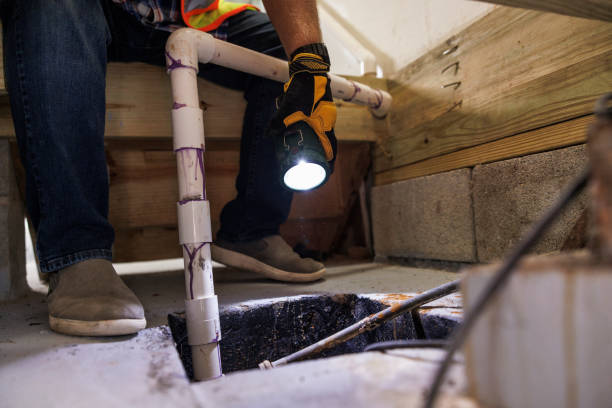
A homeowner on Bolivar Street in Canton called Green Energy AC Heating & Plumbing Repair after a weekend of heavy rain left their sump pump running nonstop for four straight days, long after the storm had cleared. They could hear a faint gurgling from the pit and noticed the water level dropping, then creeping back up within seconds.
Our technician traced the problem to two issues working together. The float switch had snagged on the pit wall and stayed partly engaged, and a worn check valve was letting pumped water flow back down the discharge line in a backflow loop.
We freed and repositioned the float, replaced the failing check valve, and flushed sediment from the discharge pipe that the storm had washed in. After testing the system through several cycles, the pump filled, pumped, and shut off the way it should.
The repair took one visit and spared the homeowner a flooded basement during the next storm. It is a clear reminder that a pump still running days after the rain rarely fixes itself, and a quick call can stop a small fault from becoming water on the floor.
When to Call a Plumbing Professional
Professional plumbing service can also help identify and resolve related drainage, pipe, and water-management issues that may be contributing to excessive sump pump activity.
Call a professional when the basic checks do not solve it, when the pump runs with no recent rain, or when you spot any of the flood warning signs. A plumber can inspect internal components you cannot safely reach, confirm whether the pump is correctly sized for your home, and check the discharge route all the way out. Guessing at these repairs risks both the pump motor and your basement.
The team at Green Energy AC Heating & Plumbing Repair has served Canton and Norfolk County since 2008 with experienced, BBB A plus rated technicians. We diagnose why the pump keeps running, repair or replace worn parts, and make sure your system is ready for the next storm. Our sump pump services in Canton, MA cover everything from a stuck float to a full pump replacement, so your basement stays dry year round.
How to Keep Your Sump Pump From Overworking
A little routine care prevents most of these problems. Check the float switch monthly to be sure it moves freely, and clean out the sump pit and discharge line at least once a year so debris never has a chance to build up. Keep your gutters clear and your downspouts pointed away from the house so less water reaches the pit in the first place.
Two upgrades pay off when storms hit hardest. A battery backup or water powered backup pump keeps your basement protected during a power outage, which often strikes at the worst possible moment. A high water alarm gives you early warning before the pit overflows. Insulating the discharge line before winter rounds out the protection so freezing never traps the water inside.
Keeping Your Basement Dry When the Rain Will Not Let Up
A sump pump running constantly after heavy rain is usually your system earning its keep, clearing groundwater for a day or two while the soil drains. The moment to worry is when it keeps running after the ground dries, when the pit refuses to empty, or when you hear a motor straining against water it cannot move. Those are the signs of a stuck float, a failed check valve, a clog, or a pump that has met its match.
Do not wait for water on the basement floor to find out which it is. Call Green Energy AC Heating & Plumbing Repair at 781-236-3421 and we will find out why your sump pump keeps running, fix the cause, and make sure your home is ready before the next downpour.
FAQ
How long should a sump pump run after heavy rain?
A sump pump can run frequently for two to three days after heavy rain while saturated soil drains and groundwater levels drop. As long as the cycling slows and stops once the ground dries, that extended running is normal and not a sign of a problem.
Is it bad if my sump pump runs every minute?
Rapid cycling every minute with no rain usually signals a problem, often a failed check valve letting water flow back into the pit or a stuck float switch. Constant short cycling wears the motor out quickly, so have it inspected before the pump fails.
Can a sump pump burn out from running constantly?
Yes. Running nonstop, especially with a dry pit or a backflow loop, overheats and wears the motor and shortens the pump’s life well below its usual 7 to 10 years. Fixing the underlying cause promptly protects both the pump and your basement.
Why does my sump pump keep running when there is no water in the pit?
A pump running with an empty pit points to a stuck float switch or a faulty sensor that thinks the water is still high. Running dry can burn out the motor fast, so cut power to the pump and have the switch checked right away.
How much does it cost to fix a sump pump that won’t stop running?
Repair costs vary with the cause, ranging from a low cost float or check valve fix to a few hundred dollars for parts and labor. A full replacement costs more, and a professional diagnosis confirms the exact issue and price before any work begins.