




One moment, everything is working normally. The next, the shower barely rinses, the kitchen faucet takes forever to fill a glass, and every tap in the house seems weaker than usual. When low water pressure affects the entire home at the same time, the problem is rarely a clogged fixture. Instead, it usually points to an issue somewhere within the main water supply, pressure regulation system, or plumbing infrastructure.
Most homes operate best with water pressure between 40 and 60 psi. When pressure suddenly drops below that range, everyday tasks become frustrating, and the change is noticeable almost immediately.
The encouraging part is that whole-house water pressure problems often have a limited number of causes. Some are simple enough to identify in a few minutes, while others require professional attention before they lead to pipe damage, leaks, or a complete loss of water service.
In this guide, we’ll explain the most common reasons water pressure suddenly drops throughout a home, what you can check yourself, and when it’s time to call a plumber.
Key Takeaways
- Sudden whole house low water pressure usually means a supply or pressure issue, not a single clogged fixture.
- A partially closed main shutoff valve is the fastest cause to check and fix yourself.
- A failing pressure regulator often causes pressure to drop or spike across the entire home.
- A hidden leak or burst pipe lowers pressure and can cause serious water damage fast.
- Normal home water pressure runs 40 to 60 psi, and a regulator caps it below 80 psi.
What Causes Sudden Low Water Pressure in Your Whole House?
Sudden low water pressure throughout your whole house usually comes down to one of four causes: a partially closed main shutoff valve, a failing pressure regulator, a hidden leak or burst pipe, or a disruption in your municipal water supply. The first is a quick do it yourself check, while the other three often need a professional to diagnose and repair safely.
The reason the whole house drops at once matters. A single weak faucet points to that fixture, but when every tap, shower, and toilet loses pressure together, the problem sits upstream where water enters your home. That narrows the search considerably. Walk through each of the four causes below in order, starting with the easiest to rule out.
1. A Partially Closed Main Shutoff Valve
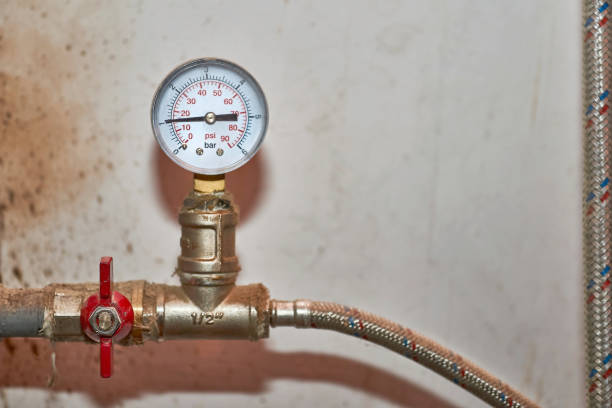
The simplest cause is a main shutoff valve that is not fully open. This valve controls all the water entering your home, so even a slight turn can choke pressure everywhere at once. It is the first thing to check because it costs nothing and takes seconds.
This happens more often than you would think. A recent plumbing repair, an appliance installation, or someone bumping the valve in the basement can leave it partly closed.
Find the main valve, usually near where the water line enters the house or close to the water meter, and make sure it is turned fully open. If it is a lever, it should sit parallel to the pipe. If it is a round wheel, turn it counterclockwise as far as it goes. Restored pressure means you found your answer.
2. A Failing Pressure Regulator
A failing pressure regulator is one of the most common reasons for a sudden change in whole house pressure. The regulator, also called a PRV, sits where the main line enters your home and keeps incoming city pressure at a safe, steady level, typically below 80 psi. When it fails, pressure can drop sharply or swing unpredictably.
You cannot always tell a bad regulator by eye, but the symptoms are telling. Pressure that suddenly falls across the whole house, or that surges high then crashes low, often points here. Regulators wear out over time and usually last around 10 to 15 years. Replacing one calls for a professional, since it involves shutting off the main supply and setting the new valve to the correct pressure. Guessing at the setting can leave your pipes either starved or overstressed.
3. A Hidden Leak or Burst Pipe
A hidden leak or burst pipe pulls water away from your fixtures, so pressure drops across the home even though the supply is still on. A large enough leak shows up as an immediate, whole house weakness, and it can cause expensive water damage while it hides behind walls or under the slab.
Watch for the warning signs. A spike in your water bill, the sound of running water when every tap is off, damp spots on walls or floors, or a patch of unusually green grass over the yard line all suggest a leak.
Pinhole leaks in older copper pipes are a frequent culprit and worsen quietly. Because a hidden leak can do real structural harm, professional leak detection finds the source without tearing open walls and stops the damage before it spreads.
4. A Municipal Supply Disruption or Sediment
Sometimes the problem starts before the water ever reaches your home. A water main break, scheduled city maintenance, or hydrant flushing in your neighborhood can lower pressure or stir up sediment that temporarily clogs your lines. This cause is easy to confirm and rarely your responsibility to fix.
Check with a neighbor to see if their pressure dropped too. If the whole street is affected, the issue is on the municipal side, and a quick call to your water provider confirms the timeline. Sediment from a disturbed main can settle in aerators and valves, so a brief flush of your fixtures often clears lingering grit once city pressure returns. When only your home is affected, though, the cause is inside your property and worth a closer look.
What You Can Check Before Calling a Plumber
A few safe steps can save you a service call when the cause is minor. Start simple and work outward from there.
- Confirm it is the whole house. Test several faucets, both hot and cold, to be sure every fixture is weak rather than just one.
- Open the main shutoff valve fully. Check both the valve at your home and the one near the water meter.
- Ask a neighbor. If their pressure dropped too, the issue is likely municipal and not your plumbing.
- Look and listen for leaks. Watch the water meter with every tap off. If it keeps moving, water is escaping somewhere.
- Check your water bill. A recent unexplained jump is a strong clue that a hidden leak is draining your pressure.
If the valve is open, the street is fine, and you still have weak flow everywhere, the cause is inside your system and needs a professional diagnosis.
A Canton Customer Story
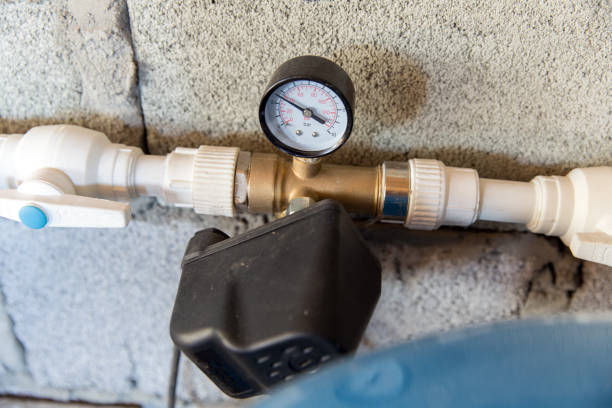
A homeowner on Sherman Street in Canton called Green Energy AC Heating & Plumbing Repair after the water pressure across their whole house dropped overnight. Showers slowed to a dribble and the washing machine took twice as long to fill, yet the main shutoff valve was fully open and their neighbors had normal pressure.
Our technician tested the pressure at an outdoor spigot and measured it well below the normal range. Tracing the line back, we found a pressure regulator that had failed after years of service, throttling the flow into the home. We replaced the regulator, set it to the correct pressure for the household, and confirmed strong, steady flow at every fixture before leaving.
The fix took a single visit and restored full pressure the same day. It is a good example of how a part most homeowners never think about can quietly choke an entire home, and how the right test points straight to the cause instead of guesswork.
When to Call a Plumbing Professional
Call a professional when the easy checks do not restore pressure, when you suspect a leak, or when the drop comes with damp spots, a rising water bill, or the sound of running water. A failing regulator, a hidden leak, and a buried supply line problem all require tools and training to diagnose safely, and a wrong move on the main line can make things worse.
The team at Green Energy AC Heating & Plumbing Repair has served Canton and Norfolk County since 2008 with experienced, BBB A plus rated technicians. We measure your water pressure, test the regulator, check for hidden leaks, and trace the supply line to find exactly why your pressure dropped. As your local plumber in Canton, MA, we fix the real cause and restore steady flow to every fixture in your home.
How to Get Your Water Pressure Back to Normal
Sudden low water pressure across the whole house almost always traces to one of four things: a partly closed main shutoff valve, a failing pressure regulator, a hidden leak, or a municipal supply disruption. Start with the valve and a quick check with your neighbors, since those rule out the easy causes in minutes. If the pressure stays weak, the problem is inside your plumbing and points to a regulator or a leak that needs a trained eye.
Do not put up with weak showers and slow faucets while a leak or failing part gets worse. Call Green Energy AC Heating & Plumbing Repair at 781-236-3421 and we will find out why your water pressure dropped, fix the source, and get strong, reliable flow back throughout your home.
FAQ
Why did my water pressure suddenly drop in the whole house?
A sudden whole house pressure drop usually means a partially closed main shutoff valve, a failing pressure regulator, a hidden leak, or a municipal supply issue. Check that the main valve is fully open and ask a neighbor, then call a plumber if pressure stays low.
How do I know if my pressure regulator is bad?
A failing pressure regulator often causes pressure to drop suddenly across the whole house or to swing between high and low. Regulators last about 10 to 15 years. A plumber can measure your pressure and confirm whether the regulator needs replacement.
Can a water leak cause low water pressure in the whole house?
Yes. A large or hidden leak diverts water away from your fixtures, lowering pressure throughout the home. Signs include a higher water bill, damp spots, or the sound of running water with taps off. Professional leak detection finds the source without damaging walls.
What is normal water pressure for a house?
Normal home water pressure runs between 40 and 60 psi. Plumbing code generally requires a pressure regulator when incoming pressure exceeds 80 psi, since pressure that is too high stresses pipes, fixtures, and appliances and shortens their lifespan.
Is low water pressure an emergency?
Low water pressure itself is rarely an emergency, but the cause can be. A burst pipe or hidden leak behind a wall can cause serious water damage quickly, so a sudden drop paired with damp spots or a running water sound deserves prompt professional attention.