



The power comes back on. Lights flicker, appliances restart, and everything seems normal until you realize the furnace never kicks in. The house starts getting colder, and the problem becomes hard to ignore.
In most cases, a furnace that won’t start after a power outage isn’t experiencing a major failure. Power interruptions often trigger safety shutoffs, reset controls, or interrupt the normal startup sequence. Until those are addressed, the system will stay off even though electricity has been restored.
Knowing why your furnace isn’t working after a power outage and how to restart it correctly helps restore heat quickly and avoid unnecessary service calls.
This guide breaks down the common causes, the proper steps to get your furnace running again, and when the issue goes beyond a simple reset.
Key Takeaways
- Furnace failure stems from tripped breakers, blown fuses, thermostat resets, or automatic safety lockout activation.
- Restarting furnace: verify thermostat setting, check breaker, turn power off and back on very slowly.
- Heat stops working after outages when breakers trip, thermostats reset, or safety systems lock out.
- Clean filters, proper maintenance, and surge protection help prevent furnace problems after power outage situations.
- Contact a professional if the furnace won’t restart, makes odd noises, or repeatedly shuts down afterward.
Why Your Furnace Is Not Working After a Power Outage
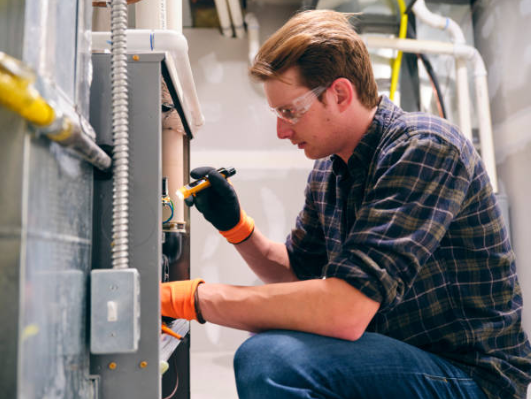
There are five main reasons furnaces fail to restart after losing power. Understanding what happened helps you know whether the fix is simple or requires professional help.
Tripped Breaker
The most common cause is a breaker that trips when power is restored. When electricity floods back into your home after an outage, the sudden surge can trip safety breakers in your electrical panel. If the breaker that controls your furnace trips, power stops flowing to the unit. The furnace doesn’t receive any electrical signal, so it sits idle. This is actually a safety feature working correctly.
Blown Fuse
Older homes with fuse boxes instead of breakers can experience a blown fuse when power returns. The sudden electrical surge exceeds the fuse’s capacity, blowing it. Unlike breakers that reset, a blown fuse must be replaced. If your home has fuses, check the furnace circuit fuse. A burnt or darkened fuse indicates failure.
Thermostat Reset
When power goes out, programmable thermostats lose their settings. After power returns, the thermostat defaults to an off position or a generic setting that doesn’t trigger the furnace. The furnace receives no start signal, so it remains off. This is easily fixed by manually adjusting the thermostat to a temperature higher than your current room temperature.
Safety Lockout Mode
Modern furnaces have safety systems that lock out the unit after multiple failed ignition attempts. If the furnace tries to start during the outage when there is no power, or if it experiences ignition failure immediately after power restoration, the lockout activates. The furnace shuts itself down to prevent unsafe operation. This protective feature requires a manual reset or waiting for an automatic reset timer.
Ignition Failure
Sometimes the ignition system (pilot light in older furnaces, igniter in newer ones) fails to light after the outage. This can happen when the ignition system is interrupted mid-cycle, the gas supply is affected, or dirt or debris gets into the ignition chamber during a power fluctuation. When ignition fails repeatedly, the furnace automatically locks out.
How to Restart the Furnace After a Power Outage
Most furnaces restart with a simple four-step process. Take your time with each step and wait between them to allow the system to respond properly.
Step 1: Check Your Thermostat
Locate your thermostat and check the display. If it’s blank or showing incorrect settings, it resets during the outage. Set the thermostat to a temperature at least two degrees higher than your current room temperature. If the thermostat is programmable, make sure it’s set to heat mode, not cool or off.
Wait two minutes. The furnace should signal the system to start. If you hear a click or the furnace starts running, you’re done. The thermostat reset was the issue.
Step 2: Check the Breaker
If the thermostat adjustment didn’t work, go to your electrical panel and locate the breaker for your furnace. The label should say “Furnace,” “HVAC,” or “Heating.” Check if the breaker is in the off position or appears tripped (handle points to the middle rather than fully to the on side).
If the breaker is tripped, flip it completely to the off position, then flip it back to on. Never force a breaker. If it won’t reset or immediately trips again after you reset it, stop and call a professional. A breaker that repeatedly trips indicates an electrical problem that requires professional diagnosis.
Step 3: Turn the Furnace Power Switch Off and On
Find your furnace’s power switch. This is usually located on the furnace itself or on a wall near the furnace, often in the basement or crawlspace. The switch should clearly say “On” and “Off.”
Turn the switch completely off. Wait 30 seconds. Then turn it completely back on. This gives the furnace time to reset its internal systems. Many furnaces have a slight delay before they start, so don’t panic if nothing happens immediately.
Step 4: Wait and Observe
After cycling the power switch, wait three to five minutes. During this time, the furnace goes through its startup sequence, tests the ignition system, and begins heating. You should hear the blower fan start and feel warm air from your vents. If this happens, the furnace is working, and the restart was successful.
How to Reset Furnace After Power Outage
The reset process varies slightly depending on furnace type, but the core principle is the same: you’re clearing the safety lockout and allowing the system to run through its startup cycle again.
For gas furnaces with electric ignition, the power switch reset (Step 3 above) is usually sufficient. For older furnaces with pilot lights, you may need to relight the pilot manually.
For heat pump systems, the process is similar but may require adjusting the thermostat to heat mode and waiting for the system to cycle through its defrost sequence.
Safety Precaution: Do Not Force Anything
Never force a breaker that won’t reset. Never force the power switch. Never try to relight a pilot light if you smell gas. If you notice a gas smell at any point, immediately turn off the gas supply (the valve handle should point perpendicular to the pipe), open windows for ventilation, and call your gas company and an HVAC professional. Gas safety is not something to troubleshoot on your own.
4 Common Reasons Heat Is Not Working After a Power Outage
Sometimes the furnace power problem goes deeper than a simple restart issue.
- Power Supply Interruption
If the breaker remains tripped even after you reset it, something is drawing too much power through the furnace circuit. This could be a damaged component in the furnace itself or a fault in the electrical line. Repeated breaker tripping requires professional diagnosis.
- Gas Supply Interruption
Some utility companies cut off gas supply during extended outages as a safety measure. When power is restored, you may need to contact the gas company to have service restored. Check if you smell gas at your vents. If not, gas may not be flowing to the furnace. This requires the gas company to reactivate your service.
- Dirty Filter Affecting Startup
A clogged filter makes the furnace work harder during startup. If the filter wasn’t changed recently and the furnace is struggling to pull air, the pressure differential can trigger a safety shutdown. Check your filter (usually accessible from the return air vent or furnace cabinet). If it’s dark and clogged, replace it and try restarting.
- System Lockout from Failed Ignition
If the furnace tries to start multiple times without successful ignition, it enters lockout. The system needs to cool down and reset before it will try again. Wait 15 to 30 minutes, then attempt a restart. Some furnaces require manual reset of the ignition switch (a small reset button on the furnace). Consult your manual or call a professional if you can’t locate it.
Quick Troubleshooting Checklist
Use this checklist to diagnose the issue safely:
- Is the thermostat set to heat mode and above room temperature? If not, fix this first.
- Is the furnace power switch on? If not, turn it on.
- Is the breaker for the furnace in the on position? If not, reset it.
- Have you waited three to five minutes for the furnace to start? Patience is essential; furnaces have startup delays.
- Do you hear the blower fan running or feel warm air from vents? If yes, the furnace is working.
- Do you smell gas? If yes, shut off the gas supply and call professionals immediately.
If you’ve gone through this checklist and the furnace still isn’t working, stop troubleshooting and call a professional.
When to Call a Professional
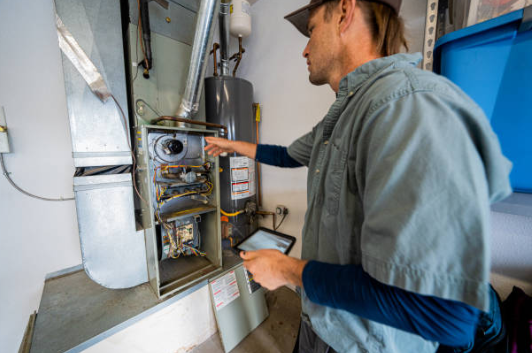
Several situations mean the problem is beyond basic restart troubleshooting.
If the furnace still won’t start after you’ve reset the thermostat, breaker, and power switch, the issue is likely internal. A professional HVAC technician can diagnose whether the ignition system failed, the gas valve is stuck, or the blower motor is damaged.
If the breaker trips repeatedly when you reset it, an electrical fault exists either in the furnace or in the circuit. This requires professional diagnosis and repair.
If you hear strange noises (grinding, squealing, popping, or loud banging) when the furnace runs, components may be damaged from the power surge. Don’t ignore these noises. They indicate problems that get worse without repair.
If the furnace starts briefly, then shuts down repeatedly, the safety lockout is triggered. The system is detecting a problem and protecting itself. A professional can determine what that problem is.
If you smell gas when the furnace runs, the problem is immediate and serious. Stop using the furnace, open windows, and call both your gas company and a professional HVAC technician.
Green Energy AC Heating & Plumbing Repair provides emergency furnace service after power outages. If your furnace won’t restart or you encounter any of the warning signs above, our technicians can diagnose and repair the problem quickly.
We handle tripped breakers, failed ignitions, damaged components, and complex restart issues. Call us for same-day furnace restoration service.
Protecting Your Furnace from Power Outage Damage
The best approach to furnace problems after power outages is prevention. Several steps reduce the risk of issues when power is restored.
Surge Protection
Whole-home surge protectors installed at your electrical panel protect appliances and HVAC equipment from damage caused by power surges. When power suddenly returns after an outage, a surge protector prevents voltage spikes from damaging sensitive components such as ignition systems and control boards.
Regular Maintenance
A well-maintained furnace handles power outages better than a neglected one. Annual inspections include cleaning burners, checking ignition systems, and replacing filters. A technician can identify components that might be vulnerable to surge damage and replace them before they fail.
Filter Changes
Clean filters allow the furnace to start more easily after a disruption. A clogged filter makes startup harder and increases the chance of safety shutdowns. Change filters every one to three months, depending on household dust levels.
System Inspections
After any major power outage, consider having a furnace inspection done. A technician can verify that no surge damage occurred to internal components. Early detection prevents problems that develop slowly over time.
Getting Your Heat Back Quickly After an Outage
A furnace that won’t start after a power outage is frustrating, especially when the weather is cold. The good news is that most issues are straightforward. Check your thermostat, reset your breaker, cycle the power switch, and wait. The furnace will usually restart.
If these simple steps don’t work, the problem requires professional help. Forcing the issue or trying complex troubleshooting risks making things worse. A professional diagnostic call costs far less than the damage caused by ignoring warning signs, such as repeated breaker trips or strange noises.
Stay warm during the outage by closing off unused rooms, using space heaters safely (with proper clearance and carbon monoxide awareness), and staying in well-insulated areas. Once power is restored and the furnace restarts, normal comfort returns quickly.