




Your toilet isn’t draining. Water sits in the bowl, and you’re left to decide whether to wait it out or act immediately. The hesitation is common. Some clogs seem to clear on their own, while others quickly turn into messy, expensive problems.
Whether a toilet can unclog itself depends entirely on what’s causing the blockage. What’s happening inside the pipes determines if the water will eventually move or if the problem will get worse.
This guide breaks down what causes toilet clogs, when waiting might work, and when immediate action is the smarter move.
Key Takeaways
- Most toilet clogs require plunging or professional intervention; waiting rarely solves the problem effectively now.
- Whether a poop-clogged toilet unclogs itself depends on the waste’s water solubility and the severity of the clog.
- Does poop dissolve in toilet water slowly and incompletely? It breaks down over several days.
- Common causes include excess toilet paper, non-flushable items, and inadequate water pressure in low-flow toilets.
- Unblocking a badly blocked toilet requires either a plumbing snake or professional service.
Can a Toilet Unclog Itself?
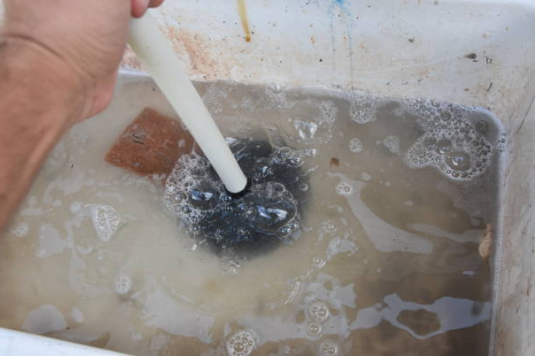
The short answer is this: a toilet can clear itself in rare cases, but most blockages require intervention.
A toilet might unclog on its own if the clog consists solely of water-soluble material, such as standard toilet paper, and nothing else. If you’ve flushed once and noticed slow drainage, giving it 20 to 30 minutes can allow water pressure and gravity to gradually break up the blockage. The toilet bowl will slowly empty as water seeps through small gaps in the clog.
However, this scenario is the exception, not the rule. Most clogs involve a combination of waste, toilet paper, and sometimes non-flushable items. These mixtures do not break apart easily. Water pressure from a single flush is rarely enough to dislodge them.
Waiting hours or even days for a stubborn clog to clear is impractical and risky. The longer you leave it, the greater the chance of water backing up into your home.
The fundamental issue is that toilets are designed to move waste and water through pipes with a single flush cycle. If the flush doesn’t clear the obstruction, the plumbing system stops functioning as intended. Relying on time to fix the problem can lead to overflow, water damage to floors and subfloors, and damage to the toilet itself.
Will a Poop Clogged Toilet Unclog Itself?
This is the most common type of clog homeowners face, and the answer is nuanced.
Human waste does break down in water, but the process is slow and incomplete. A poop-clogged toilet will not unclog itself quickly through biological decomposition. Fecal matter needs specific conditions to decompose: adequate bacteria, oxygen, and time. A stagnant toilet bowl provides only partially adequate conditions.
In a typical clogged toilet scenario, waste is sitting in a blocked pipe, preventing water from flowing freely. Without sufficient water movement and oxygen exposure, decomposition happens very slowly. You might wait several days and see minimal change. Meanwhile, the toilet remains unusable, and the blockage can worsen if additional waste or toilet paper accumulates.
The decomposition process also produces gases and odors as bacteria break down the waste. A clogged toilet left sitting for extended periods often develops an increasingly foul smell, a byproduct of bacterial activity. This is uncomfortable and signals that the problem is not resolving.
In some cases, a very minor poop clog involving only a small amount of waste and light toilet paper use might eventually clear. This happens because the consistent presence of small amounts of water and bacteria slowly softens and disperses the material.
But this is not a reliable outcome. Most people do not want to wait days hoping for this result when a plunger can resolve the issue in minutes.
Does Poop Dissolve in Toilet Water?
Fecal matter is not soluble in water the way salt or sugar is. It does not dissolve. What happens instead is a slow, physical, and biological breakdown. Bacteria in the waste begin consuming organic materials, breaking them into smaller particles. Water gradually softens the solid matter, making it more porous and fragile.
However, this process requires several conditions. The water must have adequate oxygen for aerobic bacteria to function. The temperature must remain relatively stable. There must be enough time for decomposition to progress. A blocked toilet bowl does not provide optimal conditions for any of these factors.
Additionally, human fecal matter contains fiber, bacteria, and other materials that resist breakdown. Toilet paper, which is designed to disintegrate in water, breaks apart much faster than waste itself. But toilet paper mixed with waste slows the entire process because it can trap moisture and reduce the availability of oxygen to the decomposing waste.
In a real toilet clog, waste does not dissolve in any meaningful timeframe. It might soften slightly over several days, but homeowners cannot rely on this happening. The blockage remains intact enough to prevent water drainage, making the toilet unusable.
5 Common Causes of Toilet Clogs
Identifying the cause of a clog makes it easier to decide whether it will clear on its own or needs immediate attention.
Here are some causes of toilet clogs:
- Excess Toilet Paper
Using too much toilet paper in a single flush is the leading cause of household toilet clogs. Even though toilet paper is designed to break down in water, large amounts can form a dense mass that can block the trap and drain line. Light to moderate usage rarely causes issues, but heavy use, especially with thick or quilted brands, frequently does.
- Human Waste
Normal bowel movements occasionally cause clogs when combined with adequate toilet paper. Some people naturally produce waste that is harder to flush than others, particularly if they are dehydrated or have certain dietary habits. These clogs can clear on their own if minor, but more often require intervention.
- Non-Flushable Items
Flushing items labeled “flushable” (like flushable wipes) is a leading cause of toilet blockages. These products do not break down like toilet paper. Other common culprits include feminine hygiene products, dental floss, cotton swabs, and small paper products. Once a non-flushable item lodges in the trap, water cannot flow past it.
- Low-Flow Toilets and Insufficient Water
Older toilets use 3.5 to 7 gallons per flush. Modern low-flow toilets use 1.28 gallons or less. While this saves water, it means less water pressure to move waste through the pipes. Users of low-flow toilets often need to flush twice or use more toilet paper to compensate, ironically increasing clog risk.
- Plumbing or Sewer Issues
Clogs occurring in the drain line beyond the toilet bowl or in the main sewer line require professional diagnosis. Tree roots, pipe deterioration, or collapsed sections prevent water from flowing. These clogs will not clear on their own and get worse over time.
How to Unclog a Toilet
Most clogs respond to basic tools and methods available in any home. Here are some effective ways to clear a blocked toilet safely:
- Use a Plunger
A quality plunger is your first line of defense. Ensure the plunger has an adequate seal over the drain opening. Fill the bowl with enough water to submerge the plunger cup. Push down and pull up rapidly 15 to 20 times, maintaining the seal. A good plunger often clears clogs within one or two minutes.
- Try Hot Water
If plunging does not work, carefully pour a bucket of hot water (not boiling) into the bowl from waist height. The heat can soften some materials and increase water pressure. Let it sit for 15 to 30 minutes, then try plunging again. Avoid boiling water, as extreme heat can crack porcelain.
- Add Dish Soap
Squirt a generous amount of liquid dish soap into the bowl, followed by hot water. The soap reduces friction, helping materials move more easily through the pipes. Again, wait 20 to 30 minutes before plunging.
- Wait and Observe
If the clog is minor, wait 30 minutes to an hour to see if the water drains on its own. If drainage improves, the blockage may clear completely over time. If water is not draining at all or drains extremely slowly, do not wait longer. Proceed to other methods.
How to Unblock a Badly Blocked Toilet
When standard methods fail, a plumbing snake or auger becomes necessary.
A toilet auger is a long, flexible cable with a handle on one end. You feed it into the drain, turn the handle to break up or retrieve the blockage, and then attempt to flush. Many hardware stores rent augers affordably, and instructional videos show the process clearly.
If the clog is deeper in the drain line rather than in the toilet bowl itself, you need to move beyond the toilet. The main toilet drain connects to larger sewer lines. Clogs in these lines require a larger drain snake, which is typically a professional tool.
Plumbing snakes work well for clogs caused by non-flushable items or compacted waste. They do not work for broken pipes or structural damage. If you suspect the clog is not in the toilet itself but further down the line, professional help becomes necessary.
When to Call a Professional
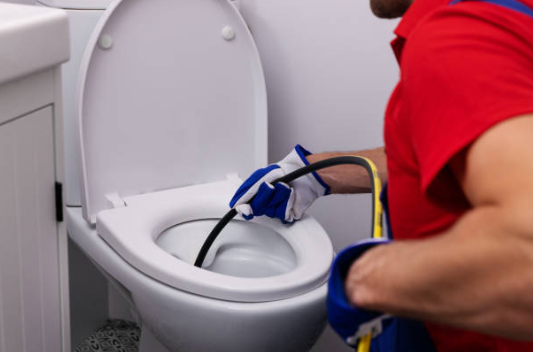
Several situations warrant professional plumbing intervention.
Repeated Clogs
If clogs occur frequently in the same toilet or multiple toilets, an underlying issue exists. This could be a faulty low-flow toilet, inadequate drain slope, or a problem in the main sewer line. A professional can diagnose the root cause and provide lasting solutions.
Overflow Risk
If water is rising in the bowl or already overflowing, stop using the toilet immediately. Standing water in an overflowed toilet creates an unsanitary condition and water damage risk. Professional service is urgent.
Multiple Drains Affected
If the toilet clog is accompanied by slow drainage in sinks, showers, or bathtubs, the blockage is likely in the main sewer line. This requires professional intervention with specialized equipment.
Failed DIY Attempts
After trying plunging, hot water, soap, and waiting, if the toilet still will not drain, you need professional equipment and expertise. Do not spend hours on failed attempts when a plumber can resolve it in less time.
Green Energy AC Heating & Plumbing Repair provides same-day toilet repair service for homeowners in Canton, MA. Our technicians arrive with professional-grade augers and video inspection equipment to diagnose and resolve clogs quickly. We handle everything from simple plunger work to complex drain line issues. Call us when a clogged toilet requires immediate attention and professional expertise.
Final Thoughts;
The question of whether a toilet can unclog itself has a limited answer: occasionally, yes, but you should not count on it. Most toilet clogs require action. Will a poop-clogged toilet unclog itself? Rarely without intervention. Does poop dissolve in toilet water? Slowly and incompletely.
The practical advice is straightforward. When faced with a clogged toilet, try plunging first. If that fails, use hot water and dish soap, then wait. If these basic methods do not work within an hour, move to a toilet auger or call a professional.
Attempting to unclog a toilet yourself is usually effective and costs nothing. But unblocking a badly blocked toilet requires either proper equipment or professional service.
Waiting for a clogged toilet to unclog itself wastes time and increases the risk of water damage. Addressing the problem quickly protects your home and gets your bathroom back in service. The longer you delay, the greater the risk of overflow and damage to floors, subflooring, and the toilet.
If you are dealing with a stubborn clog that resists your efforts, contact Green Energy AC Heating & Plumbing Repair for fast, reliable service. We diagnose and resolve toilet issues the same day you call.