




Air conditioners are not completely silent machines. When a cooling system starts or shuts down, it is normal to hear the gentle hum of the fan or a short clicking sound from electrical parts. However, a repeated ticking noise can quickly grab your attention, especially if it continues while the system is running.
Homeowners often wonder if a ticking sound signals a serious problem or simply normal system activity. In some cases, the noise is harmless and comes from normal system operation. In other situations, it may indicate debris, loose components, or mechanical wear that needs attention.
Air conditioning systems contain multiple moving parts and electrical components. When something inside the system shifts, vibrates, or activates repeatedly, a ticking sound can occur. Identifying when the sound happens and where it originates can help narrow down the cause.
Learning what may cause a ticking sound can help homeowners determine whether a simple inspection is enough or if professional service is needed.
Continue reading to discover the most common reasons an air conditioner may make a ticking noise and what steps can help resolve it.
Key Takeaways
- Some ticking sounds are normal when the air conditioner starts or stops.
- Debris near the outdoor unit can create repetitive ticking noises.
- Loose components or panels may vibrate during system operation.
- Electrical parts inside the condenser can produce clicking sounds.
Persistent noises should be inspected to prevent further damage.
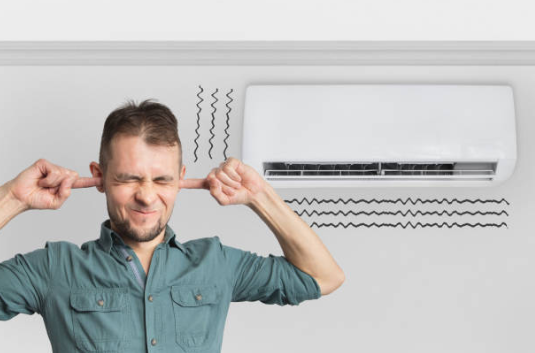
Is a Ticking Noise From an Air Conditioner Normal
Many HVAC systems produce small sounds during normal operation. Electrical switches activate when the thermostat calls for cooling, and metal parts expand as temperatures change.
These sounds are typically brief and occur when the system begins or ends a cooling cycle. If the ticking noise happens only once when the air conditioner starts or stops, it may simply be part of normal operation. However, repeated ticking that continues during operation can signal something else.
Startup and Shutdown Sounds
When the thermostat signals the air conditioner to start, an electrical component known as a contactor activates the outdoor unit. This action often produces a small clicking sound.
When the cooling cycle ends, the contactor switches off again, creating another click. These sounds usually occur once during startup and once when the system shuts down.
Metal Expansion in HVAC Systems
Air conditioners move warm air out of the home and replace it with cooled air. As temperatures change, metal components within the system expand and contract.
This expansion may produce occasional ticking sounds, especially from ductwork or metal panels. These sounds tend to be temporary and disappear once the system stabilizes.
5 Common Reasons an AC Makes a Ticking Noise
While some ticking sounds are harmless, others may be caused by small mechanical or environmental issues. Several common conditions can produce this type of noise.
1. Debris Inside the Outdoor Condenser
Outdoor condenser units are exposed to leaves, small twigs, and other debris. Sometimes these objects fall through the protective grille and reach the fan blades. When the fan rotates, the debris may lightly strike the blades or housing, creating a repetitive ticking sound. Clearing debris from the unit often eliminates the noise.
2. Loose Fan Blades or Hardware
Over time, screws and fasteners that hold components in place can loosen due to vibration. When this happens, parts such as fan blades or panels may shift slightly while the system runs.
This movement can produce rhythmic ticking or tapping sounds. A technician can tighten or adjust these components during inspection.
3. Electrical Relay Activity
Air conditioners rely on electrical relays to manage power flow between components. These relays switch electrical circuits on and off when the thermostat signals the system.
If a relay activates repeatedly, it may create a ticking or clicking noise. Sometimes this is normal. In other cases, frequent relay activity may indicate an electrical issue.
4. Thermostat Communication Signals
Thermostats send signals to the HVAC system when the indoor temperature changes. These signals activate internal switches and controls.
If the thermostat cycles frequently or struggles to maintain the correct temperature, repeated ticking may occur as electrical components respond.
5. Ductwork Expansion
Air moving through ducts changes the pressure inside the duct system. As cooled air travels through metal ducts, temperature changes may cause the metal to expand or contract.
This process can produce ticking or popping sounds inside walls or ceilings. Although the sound may seem concerning, it often results from normal temperature changes.
When a Ticking Noise Could Signal a Problem

Although many ticking sounds are harmless, some may indicate developing issues within the HVAC system.
When the noise becomes louder, more frequent, or occurs continuously during operation, further inspection may be necessary.
Failing Fan Motor
The condenser fan motor helps release heat from the outdoor unit. If the motor begins wearing out, internal components may produce unusual sounds.
Ticking or light tapping noises can sometimes occur before motor failure. Early inspection helps prevent complete breakdown during hot weather.
Loose Electrical Components
Electrical wiring and connectors inside the condenser unit must remain secure. If wires loosen or components shift, they may produce intermittent sounds when electricity flows through them. Electrical issues should always be evaluated by trained technicians.
Worn Compressor Components
The compressor circulates refrigerant through the cooling system. While compressor noise is typically deeper than a ticking sound, internal wear can occasionally produce irregular noises. A technician can inspect the compressor to determine if it is operating correctly.
Simple Checks Homeowners Can Try
When a ticking noise appears, a few simple checks can help identify possible causes.
1. Inspect the Outdoor Unit
Look around the outdoor condenser for visible debris such as leaves or small branches. Removing loose debris from the surrounding area may eliminate the noise.
2. Check for Loose Panels
Exterior panels protect the internal components of the unit. If these panels loosen slightly, vibration during operation may cause ticking sounds. Ensuring panels are secure can sometimes resolve the issue.
3. Listen for When the Noise Occurs
Paying attention to when the sound appears can provide helpful clues. If the ticking occurs only when the system starts or stops, it may simply be electrical components activating.
If the sound continues throughout the cooling cycle, further inspection may be needed.
Signs the Noise Requires Professional Inspection
Certain warning signs suggest the ticking noise may be related to a mechanical or electrical issue.
If the sound grows louder over time or occurs continuously during operation, the system may require inspection.
Other signs include reduced cooling performance, unusual vibrations from the outdoor unit, or the fan not spinning smoothly. Ignoring these signs may allow small issues to develop into larger problems.
When to Call an HVAC Professional
HVAC systems contain electrical components, motors, and pressurized refrigerant lines that require professional handling.
Technicians use diagnostic tools to evaluate system components and determine the exact cause of unusual noises. This process may involve testing electrical connections, inspecting fan motors, and examining internal components.
Prompt inspection helps identify issues before they cause system failure.
Professional AC maintenance also ensures the system continues operating efficiently and safely.
What Caused This AC Ticking Noise in Canton?
A homeowner in Canton contacted Green Energy Mechanical after hearing a repetitive ticking sound from the outdoor AC unit each time the system ran. The noise started quietly but gradually became more noticeable over several days.
Concerned that the system might be failing, the homeowner scheduled an inspection.
When the technician arrived, the first step was listening to the system during operation. The ticking sound appeared to come directly from the outdoor condenser fan.
After opening the unit, the technician discovered a small piece of debris trapped near the fan blade. Each time the blade rotated, the object lightly tapped the fan housing.
Once the debris was removed and the unit was inspected for any additional issues, the air conditioner returned to normal quiet operation. The homeowner was relieved to learn that the issue was minor and easily resolved.
Wrapping Up;
A ticking sound from an air conditioner can have several causes, ranging from normal system operation to small mechanical issues. Sounds that occur briefly during startup or shutdown are often harmless, while continuous noises may indicate debris, loose components, or electrical activity within the system.
Identifying the source of the sound early helps prevent minor issues from becoming larger repairs.
If your air conditioner is producing unusual noises or struggling to operate quietly, the team at Green Energy Mechanical is ready to help. Our technicians carefully inspect cooling systems, diagnose performance issues, and restore reliable AC operation.
Contact Green Energy Mechanical today at 781-236-3421 to schedule an AC inspection and ensure your cooling system continues running smoothly throughout the season.
FAQs
Is a ticking noise from an AC dangerous?
A brief ticking sound when the system starts or stops is generally harmless. However, continuous or loud ticking during operation may indicate loose parts, debris in the unit, or an electrical issue that should be inspected.
Can debris cause a ticking noise in my outdoor AC unit?
Yes. Leaves, twigs, or small objects can enter the condenser unit and lightly hit the fan blades while they spin. This often creates a repetitive ticking sound until the debris is removed.
Why does my AC tick when it turns on?
Air conditioners use electrical relays and contactors that activate when the thermostat signals the system to start. These components may produce a quick clicking or ticking sound as they engage.
Should I turn off my AC if it is making a ticking noise?
If the noise is constant or getting louder, it may be best to turn the system off and schedule an inspection. This can prevent potential damage to internal components.