




Your septic system has been working quietly for years. Then you notice slow drains. Maybe a spongy patch in the yard. The immediate panic: Is this a $2,000 repair or a $25,000 replacement?
The answer matters. A lot. But it’s not just about picking the cheapest option right now. It’s about understanding what your system actually needs, what it costs at different price points, and whether you’re looking at a short-term fix or a long-term solution that could go another 20 years.
Most septic repairs cost $3,000-$8,000 and buy you 5-10 more years of life. Full replacement runs $15,000–$25,000+ but is necessary when the drain field has failed, the tank has cracked, or repairs would cost more than 50% of the replacement cost.
In this blog, you’ll learn what septic system repair versus replacement actually costs, and why a professional inspection should always come first to show you exactly what you’re dealing with.
Key Takeaways
- Repair costs stay lower for minor issues, but recurring problems often signal deeper system failure ahead.
- Full replacement requires higher upfront investment, yet it eliminates ongoing repair costs and long-term uncertainty.
- A professional inspection identifies the real problem early and prevents wasting money on unnecessary repairs.
- Soil condition, tank age, and system size all influence whether repair or replacement makes more sense.
- Delaying action can increase damage, raising costs and risking health issues from leaks or system failure.
How to Know If You Need a Repair vs. Replacement
This is where most people go wrong. They see one problem and assume the whole system needs to die.
The truth: most septic issues are localized. A clogged drain line, a leaking tank, or a bacterial imbalance. These are fixable without tearing out your whole system. The distinction matters because repair might extend the system’s life by 5–10 years, while replacement is permanent.
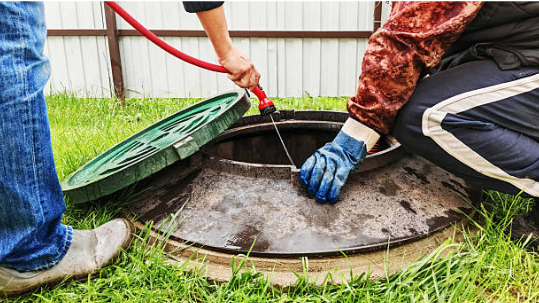
Get a professional inspection. This is non-negotiable. A licensed septic inspector will pump the tank, inspect the drain field with a camera or soil probe, check the distribution box, and evaluate the tank’s structural integrity. Yes, it costs $300-$500. But it prevents you from dropping $25,000 on a replacement you didn’t need, or worse, patching a dying system that fails six months later.
When You Can Repair (And How Much It Costs)
- Leaking seals or cracks under a certain size: If your tank has a hairline crack or a failing baffle (the interior wall that separates solids from liquid), you can often repair it with specialized coatings or patches. Cost: $1,500–$3,000.
- Backups or slow drainage from a clogged line: This usually means the drain field needs cleaning or the main line is blocked. Hydrojetting or snaking can clear it. Cost: $300–$1,200 depending on severity.
- Bacterial imbalance or excessive sludge: Sometimes the tank is working but the bacterial culture has died (often from antibacterial soaps, cleaners, or medications flushed over time). Enzyme treatments or tank pumping can restore balance. Cost: $200–$800.
- Baffles that have deteriorated: This is the partition inside the tank that prevents solids from entering the drain field. Replacing a baffle costs less than a full tank replacement. Cost: $1,500–$2,500.
The sweet spot for repairs: they’re economical when the tank itself is still structurally sound and the drain field isn’t completely saturated.
When You Need Full Replacement (And What It Costs)
Replacement is necessary when repair isn’t an option, either because the damage is too extensive or because repairs would keep failing.
Red flags that mean replacement:
- Drain field failure: If the soil around your drain field is permanently waterlogged, clay-heavy, or has been flooded repeatedly, the field has likely lost percolation. Repairing around this is throwing money away. This is the #1 reason for replacement.
- Structural tank failure: Cracks larger than hairline, collapse, or major corrosion means the tank can’t hold waste safely. It has to go.
- System is 30+ years old: Most septic systems are designed for 25–30 years. If yours is at or past that point and showing problems, replacement prevents repeated emergency repairs.
- Failed repairs: If you’ve already spent $4,000–$5,000 trying to fix the same issue and it’s failing again within months, the underlying problem is bigger than the repair can solve.
Replacement costs by type:
System Type | Typical Cost | Lifespan | Best For |
Conventional gravity system | $15,000–$20,000 | 25–30 years | Standard soil conditions, adequate space |
Aerobic treatment system | $18,000–$25,000 | 20–25 years | Shallow water tables, difficult soil |
Sand filter or mound system | $20,000–$30,000+ | 20–25 years | Poor soil, high groundwater, small lots |
These ranges assume a 1,500–2,000 gallon tank for a 3–4 bedroom home. Add $2,000–$5,000 if you need a new drain field (which is often included).
The Real Cost Comparison: Repair Now vs. Replace Now
Here’s the scenario most homeowners face:
You get an inspection. The tank has a small leak, and the drain field is showing early signs of saturation. Repair the leak now: $2,500. You get 7–10 more years.
Or replace everything now: $18,000. You get 25–30 years.
Which makes sense?
If you plan to stay in the home: Replacement pays for itself. A full replacement is expensive upfront, but you won’t face another major repair for decades. Add in the peace of mind and avoided emergency calls at 2 AM, and the long-term math favors replacement.
If you’re selling in the next 3–5 years: Repair now. A well-functioning septic system (even if it’s not brand new) is a selling point. A replacement that was done months before sale doesn’t recover its cost in resale value.
If the repair cost is more than 50% of replacement cost: Do the replacement. If repairing your tank costs $10,000, and replacement is $18,000–$20,000, you’re only adding $8,000–$10,000 to get a new system with a 25-year lifespan instead of limping along with a failing one.
Hidden Costs Nobody Talks About
- Permits and inspections: $500-$1,500. This isn’t optional; most jurisdictions require permits for septic work.
- Soil testing: $300-$500 for perc tests (measures how fast soil absorbs water). Required before replacement in many areas.
- Site excavation and fill: Already included in most replacement quotes, but if your yard has difficult access or deep excavation is needed, add $2,000–$5,000.
- Drain field replacement: If you replace just the tank but the drain field is marginal, you might need a new field within 5 years. This adds $8,000-$12,000 to your future costs. Better to do it all at once.
- Repairs after the initial fix: If you repair once and the problem resurfaces, you’re back in the inspection chair. Plan for 1–2 additional small repairs over 5–10 years if you choose to keep the system.
What Increases Your Risk of Needing Replacement Soon
- High water usage: Large families, frequent showers, washing machine use; these add stress to the system.
- Wrong pipe materials: If your system has old clay or cast-iron pipes, they’re more prone to collapse or root intrusion.
- Tree roots: Roots are the silent killer. They invade lines and the drain field. If you have mature trees over your septic area, expect problems eventually.
- Septic additives: Using “enzyme boosters” or “bacteria starters” doesn’t help. Your system has its own bacteria. These products are mostly marketing.
- Non-flushable items: Wipes (even “flushable” ones), paper towels, feminine hygiene products, each one damages the system.
- Chemical dumping: Bleach, antibacterial soaps, medications, paint thinners. These kill the bacteria that make your septic system work.
How to Decide: A Simple Framework
- Get an inspection. ($300–$500. This is the only non-negotiable step.) The inspector tells you exactly what’s wrong.
- Ask three questions:
- Is the tank structurally sound?
- Is the drain field still percolating?
- How old is the system?
- If both tank and drain field are okay, and the system is under 20 years old: repair.
- If the drain field has failed, or the tank has structural damage, or the system is 25+ years old: replace.
- If repair costs exceed 50% of replacement costs, replace. You’re not saving money by delaying.
Getting the Right Contractor Matters
The difference between a $15,000 replacement and a $22,000 replacement often comes down to the contractor. This isn’t a job where you want the cheapest bid; it’s a job where you want the right system for your soil, your usage, and your long-term plans.
A good contractor will:
- Require a soil evaluation before recommending a system type
- Explain why they’re recommending that specific system (conventional vs. aerobic, tank size, drain field configuration)
- Pull permits and handle inspections as part of the quote
- Guarantee the work for 5–10 years
- Give you realistic maintenance expectations going forward
Green Energy AC Heating & Plumbing Repair provides septic system evaluations and transparent pricing. We’ll tell you if repair is viable or if replacement is the better long-term choice without pressure to spend more than you need to.
FAQ
How often should I pump my septic tank?
Every 3-5 years for a household of 3-4 people. More frequent use (larger family, lots of laundry) may require pumping every 2-3 years. Pumping prevents solids from entering the drain field, significantly extending system life.
Can I install a new system myself?
No. Septic installation requires a licensed contractor, soil testing, and permit approval. DIY work voids your warranty and violates most local codes. It’s not worth the legal and financial risk.
What’s the difference between a septic system and a sewer line?
Septic systems treat wastewater on-site in your tank and drain field. Sewer lines connect to municipal treatment facilities. If you’re on a municipal sewer, septic system advice doesn’t apply. If you’re on a septic system, you can’t switch to a sewer without municipal availability and high cost.
Will selling my house be harder if the septic system is old?
Not necessarily. Buyers care about whether it’s functional, not whether it’s brand new. An old system that’s well-maintained and recently inspected is fine. A failing system or one with a history of emergency repairs is a red flag that can tank (pun intended) your sale price.
What happens if my septic system fails and I can’t afford replacement right away?
This is a health and legal issue. A failed septic system contaminates groundwater and soil. Most jurisdictions don’t allow you to delay replacement indefinitely. If replacement is truly unaffordable, explore financing options through local plumbing contractors or county health departments. Some areas offer grants or low-interest loans for septic replacement.