




You notice a small puddle near your indoor AC unit. Then another. Then you see water pooling on the floor. Your first instinct is panic. Your air conditioner is leaking. Water is accumulating inside your home. Is this going to damage the walls? Is mold going to grow? How much is this going to cost to fix?
The good news is that AC water leaks are extremely common and usually fixable. The bad news is that if you ignore them, they can cause serious water damage, structural problems, and mold growth that becomes expensive and health-hazardous. The urgency depends on how much water is leaking and where it’s going.
In this blog, you’ll learn exactly why your AC is leaking water, how serious the problem actually is, which causes you to fix yourself, and when you need professional help to stop the leak and prevent long-term damage.
Key Takeaways
- Clogged condensate drain lines cause most AC water leaks and can be cleared yourself with a wet vacuum.
- Frozen evaporator coils from dirty air filters or low refrigerant cause water overflow from the drain pan.
- Water leaks create mold risks within forty-eight hours and damage drywall, paint, and wood over time.
- Monthly filter changes and quarterly drain maintenance prevent most AC water leak problems before they start.
- Refrigerant leaks require licensed technician repair and professional handling due to EPA chemical regulations.
Why Your AC Is Leaking Water
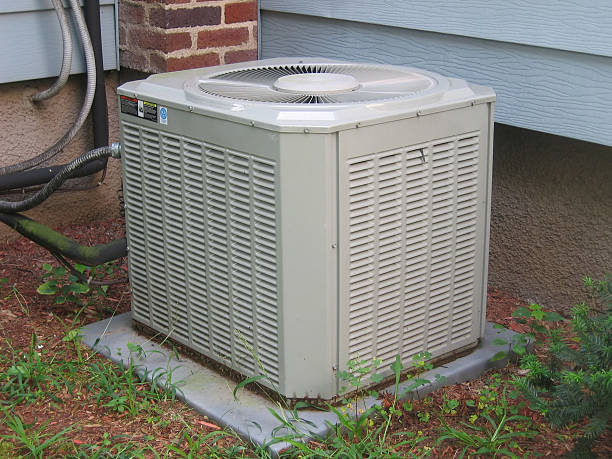
Your air conditioning system removes moisture from the air. That’s part of what makes your home feel cooler and more comfortable during summer. All that water has to go somewhere. It drains into a pan, then flows through a drain line and out of your home.
When that system works correctly, you never see the water. It drains silently outside. You might notice a water line running from your outdoor unit, or water flowing into a floor drain in your basement. This is normal.
But when something goes wrong with the drainage system, the water backs up. Instead of flowing out of your home, it pools inside. And that’s when you have a problem.
The underlying cause is always one of these: the drain line is clogged, the evaporator coil has frozen, the drain pan is damaged, the refrigerant level is low, or the condensate pump has failed. Each has different solutions. Some you can address immediately. Others require a professional.
The Condensate Drain Line: Your AC’s Hidden Plumbing
Your air conditioner has its own plumbing system. Warm air enters the system and passes over the evaporator coil. As the air cools, moisture condenses on the coil, just like water droplets forming on a cold glass on a hot day. Those droplets drip into a drain pan beneath the coil. From there, a PVC drain line carries the water outside or to an interior floor drain.
This system is simple and elegant when it works. But the drain line can become blocked. Dirt, dust, and debris accumulate inside the line. Algae and mold grow in the moist environment. These blockages prevent water from flowing where it should. The drain pan fills up. Water overflows. It pools near your indoor unit.
The blockage usually develops gradually. You might not notice at first. But if you leave it long enough, water starts seeping into drywall, flooring, and framing.
Clogged Drains and How to Clear Them
A clogged condensate drain line is the most common reason for AC water leaks. The good news is that clearing it is sometimes something you can do yourself.
First, locate the drain line. It’s usually a PVC pipe about an inch in diameter, connected to the bottom of your indoor AC unit. It runs outside or to a floor drain in a basement, crawlspace, or utility closet. The line might exit through your home’s exterior wall or connect to your home’s drainage system.
Next, try this simple fix. Turn off your AC. Use a wet or dry vacuum to pull out debris from the drain line opening. If the line is only partially clogged, the vacuum might clear it completely. Once clear, pour a cup of distilled white vinegar down the line. Let it sit for 30 minutes. This kills algae and mold. Then flush the line with water.
If the line is completely blocked and the vacuum doesn’t clear it, you might need a plumbing snake or professional help. A snake is a flexible tool that pushes through blockages. You can rent one at a hardware store for about 20 dollars, but if you’re not comfortable using it, a professional can clear the line for $150 to $300.
Prevention is simpler than clearing a clog. Once a month when you change your air filter, look at the drain line opening. Make sure water is flowing. Every three months, pour a cup of vinegar down the line to keep it clean. This simple maintenance prevents most clogs before they start.
Frozen Coils and What Causes Them
A frozen evaporator coil is a different problem from a clogged drain, but it causes similar symptoms: water pooling near the indoor unit.
When airflow over the evaporator coil is restricted, the coil gets too cold. Condensation freezes on the coil instead of dripping into the drain pan. Ice builds up over hours or days. Then the system stops cooling effectively. You might notice reduced air output or that your home isn’t getting as cool as it should.
The ice eventually melts. When it does, it releases a large amount of water all at once. More water than the drain pan and line can handle. Water overflows and leaks into your home.
What causes the coil to freeze? Two things. First, a dirty air filter blocks airflow. Your filter should be changed monthly during the cooling season. If you go months without changing it, dust builds up, airflow drops, and the coil freezes. Second, low refrigerant levels reduce the coil’s ability to function properly. A refrigerant leak causes the coil temperature to drop excessively and freeze condensation.
If you suspect a frozen coil, turn off your AC immediately and let it sit for a few hours. This allows the ice to melt. However, if the coil keeps freezing after you replace the filter, you likely have a refrigerant leak. A professional must diagnose and repair this.
Refrigerant Leaks and Low Charge
A refrigerant leak is more serious than a clogged drain. Refrigerant is a controlled substance. You can’t just buy some at a store and top off your system. Only licensed technicians can handle refrigerant due to EPA regulations.
A refrigerant leak causes multiple problems. First, the system loses cooling capacity. Your home doesn’t get as cool. Second, low refrigerant causes the evaporator coil to freeze because it can’t regulate temperature properly. Frozen coils lead to water leaks. Third, a leak creates an oily residue around the indoor unit or outdoor condenser.
Warning signs of a refrigerant leak include a hissing sound coming from the indoor unit or outdoor condenser unit, inconsistent cooling (cold one moment, warm the next), and reduced air output even after changing the filter.
If you suspect a refrigerant leak, turn off your AC and call a professional. Do not attempt to run the system. AC Repair for a refrigerant leak involves locating the leak, repairing it, and recharging the system. Costs typically range from $300 to $1,500 depending on the severity and location of the leak.
Damaged Drain Pans
Your indoor AC unit sits in a plastic or metal drain pan. This pan catches any condensation that drips from the coil. The pan has a drain opening where the water flows toward the drain line.
If your air conditioning system is older, the drain pan might be corroded or damaged. Metal pans rust over years. Plastic pans crack or become misaligned. Once the pan is damaged, water leaks through or around the pan instead of flowing down the drain line.
Replacing a drain pan is a repair that requires disassembling part of your AC unit. This is not a DIY job. A professional must remove the old pan, install a new one, and ensure everything is properly sealed and aligned. Costs typically range from $200 to $500 depending on the system.
The Mold Problem
This is why AC water leaks deserve urgent attention. Water combined with darkness and the cool temperature around your AC unit creates the perfect environment for mold growth. Mold can start growing within 48 hours.
Once mold establishes itself in your HVAC system, the air conditioning unit blows spores throughout your home. This creates health risks, especially for people with allergies, asthma, or respiratory sensitivities. The mold also spreads to surrounding materials. Drywall gets soft and crumbles. Paint peels. Wood rots. Structural integrity is compromised.
Mold remediation is expensive and complicated. Professionals must remove contaminated materials, treat the area, and sometimes tear out sections of walls or flooring. Costs can easily exceed $3,000 to $5,000 depending on how far the mold has spread.
This is why catching a water leak early prevents exponentially larger problems. A clogged drain that you fix immediately costs almost nothing. A clogged drain that goes unaddressed for weeks can cost thousands in mold remediation and structural repair.
Quick Fixes You Can Try vs. Professional Help
Not all AC water leaks require immediate professional service. Some you can address right now.
If you see pooling water, first stop the source. Turn off your AC. Use towels to mop up visible water. Use a wet or dry vacuum to extract water from carpet or furniture. Set up fans and open windows to increase airflow and drying. Use a dehumidifier if you have one.
Next, determine the cause. If the leak is small and only occurs when you first turn on the system after a warm day, it might just be the normal condensation process working overtime. Run the system and observe. If water stops dripping within an hour, it’s probably not a serious leak.
If the leak continues or is substantial, turn off the system and check the drain line. Locate the PVC pipe and see if water is flowing out. If no water is coming out, the line is likely clogged. Try the wet or dry vacuum method described earlier. This simple fix solves many AC water leak problems.
If the line is clear but water is still pooling, or if the line is frozen solid, you need professional help. Contact us for an inspection. A technician can diagnose the exact cause within minutes and recommend the best solution.
Preventing AC Water Leaks
The best solution is preventing leaks before they start. This requires two things: monthly filter changes and quarterly drain maintenance.
Air filter changes are the single most important preventative step. A dirty filter blocks airflow, leading to frozen coils, which causes water leaks. Change your filter every month during the cooling season. This costs $15 to $30 per filter and takes five minutes. It prevents dozens of potential problems.
Quarterly drain maintenance means every three months, pour a cup of distilled white vinegar down the condensate drain line. Let it sit for 30 minutes. Flush with water. This kills algae and mold before they clog the line.
Routine AC Maintenance visits catch problems early. During a maintenance call, a technician inspects the drain pan, checks for algae or mold in the drain line, cleans the evaporator coil, and checks refrigerant levels. These inspections cost $150 to $300 and identify issues before they cause water leaks or other damage.
Taking Action on AC Water Leaks
An AC water leak is not something to ignore. Even small pooling indicates a problem that will worsen over time. But neither is it always an emergency requiring an immediate service call at premium rates. The response depends on how much water is leaking and how fast.
A small drip that you clean up once and never see again is probably just the system purging excess condensation. Monitor it. If it happens again, investigate the drain line.
A constant slow drip is a clogged drain line. Try clearing it yourself. If that doesn’t work, call a professional.
Substantial pooling, water soaking carpet or drywall, or water appearing suddenly is an urgent problem. Turn off the system. Call for immediate service. The longer water sits, the higher the mold risk and the more expensive the damage becomes.
Don’t wait weeks or months hoping the problem goes away. AC water leaks don’t self-correct. They get worse. The cost of a $250 professional drain line cleaning is tiny compared to the $3,000 to $5,000 cost of mold remediation after months of unaddressed leaking.
FAQs
Is a little water dripping from my AC normal?
Some condensation is normal, especially on hot humid days when your system is working hard. You might see water flowing outside your home from the condensate line. This is normal. But water pooling inside your home near the unit is not normal and indicates a blockage or problem.
Can I clear a clogged AC drain myself?
Yes, in many cases. Locate the drain line, use a wet or dry vacuum to pull out debris, then flush with vinegar and water. If this works, the leak stops. If the line is completely blocked and your vacuum doesn’t clear it, professional help is needed. This usually costs $150 to $300.
How quickly does mold grow in an AC water leak?
Mold can begin growing within 48 hours in the moist, dark environment around your AC unit. The longer water sits, the more mold spreads. This is why addressing leaks quickly matters. A leak fixed within a day or two probably won’t cause mold. A leak ignored for weeks almost certainly will.
What does a refrigerant leak sound like?
A refrigerant leak produces a hissing sound coming from either the indoor unit or outdoor condenser unit. You might also notice a subtle oily smell or visible oily residue around the leak location. If you hear hissing, turn off your AC and call a professional immediately.
What’s the worst case if I ignore an AC water leak?
Ignoring a water leak can lead to mold growth, structural damage to walls and flooring, rot in wood framing, electrical damage if water reaches wiring, and corrosion of HVAC components. Costs for remediation can exceed $10,000 in severe cases. Addressing the leak early prevents all of this.
How often should I have my condensate drain line professionally cleaned?
During the cooling season, perform monthly maintenance yourself. Professional cleaning is recommended once annually, either during spring before you start using the system, or in early summer if you notice any signs of algae or reduced water flow from the drain line.