




Water sits in your sink. You wait. And wait. It finally drains, but it’s noticeably slower than it should be. Your first instinct is to fix it fast before it gets worse. So you grab something from under the cabinet. A bottle of chemical drain cleaner. You pour it down the drain, wait a few minutes, then flush it with hot water.
Two days later, the drain is just as slow as before. Or maybe it’s worse.
This happens more often than you’d think. People try to solve their slow drain problem with the first “solution” that comes to mind. Often that solution makes the problem dramatically worse instead of better. By the time they realize something went wrong, they’ve damaged their pipes or pushed the blockage deeper into the system where it’s much harder to reach.
In this guide, you’ll learn why your sink drains slowly, which attempts to fix it will backfire and cause expensive damage, and what actually works to clear the clog without harming your plumbing system.
Key Takeaways
- Hair mixed with soap scum is the most common bathroom sink blockage and worsens over weeks.
- Chemical drain cleaners damage pipes, create incomplete clogs, and cause toxic gas if mixed wrongly.
- Hot water with grease pushes blockages deeper, making clogs worse instead of fixing them.
- Mechanical drain snakes and gentle plunging are safer than chemicals and more effective at removal.
- Professional hydro-jet cleaning and camera inspection diagnose deep blockages that simple methods miss.
What’s Actually Clogging Your Drain
Your bathroom sink drain is slowing down because something inside the pipe is restricting water flow. The question is what.
For bathroom sinks, hair is the most common culprit. Hair has a rough, scaly surface that gets caught on pipe interior walls. Once caught, it forms a net-like structure that traps other debris. As more hair collects, the blockage gets larger.
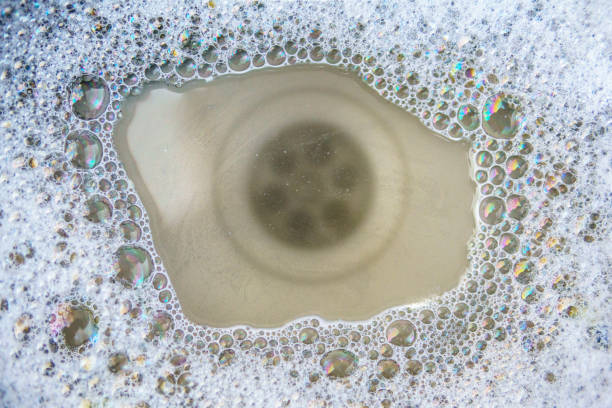
For kitchen sinks, the cause is usually grease combined with food particles. Grease cools and solidifies inside the pipe, catching food debris and creating a sticky blockage.
In both cases, the problem develops slowly over weeks. You don’t wake up one morning with a completely clogged drain. Instead, water drains noticeably slower than it used to. You notice it takes longer to empty a sink full of water. You start seeing standing water around the drain. By this point, there’s already a significant blockage somewhere in your plumbing.
The blockage isn’t usually right at the opening you see. It’s usually deeper, inside the P-trap or further down the drain line where you can’t see it. This is important because it affects what solutions will actually work.
How Hair and Soap Create the Perfect Blockage
If your drain has hair and water, you almost certainly have soap residue too. These two materials together create a particularly stubborn blockage.
Hair consists of keratin proteins with that rough, scaly surface. Soap comes from fatty acids that react with minerals in hard water, creating soap scum. When hair and soap scum mix, the soap acts like glue. It binds the hair together and sticks it to the pipe wall. What started as loose hair strands becomes a dense, sticky mass.
The more water flows through, the more hair and debris the soap-coated strands trap. The blockage gets progressively thicker. Water flow slows. The drain feels sluggish.
This is why a drain that’s been slow for weeks is harder to clear than one that just started slowing down. The blockage has had time to become a well-established mat of hair and soap scum, firmly stuck to the pipe wall.
The Mineral Buildup Factor
If you have hard water in your area, mineral deposits make the problem worse. Hard water contains high levels of calcium and magnesium. These minerals accumulate on pipe walls over months and years. They create a rough surface where hair and soap scum stick more easily.
In homes with hard water, slow drains develop faster and become more stubborn. The mineral layer reduces the effective diameter of the pipe. Combined with hair and soap, it creates a triple blockage that’s difficult to clear.
This is also why simply flushing your drain with hot water occasionally helps prevent clogs. Hot water dissolves some soap residue and can help flush out debris before it accumulates. But once a clog is established, hot water alone won’t fix it.
The Mistake That Makes It Worse: Chemical Drain Cleaners
Here’s where many people make a critical error. They pour a chemical drain cleaner down the slow drain, expecting it to dissolve the blockage.
Chemical drain cleaners work through a chemical reaction that generates heat inside your pipe. This heat is supposed to break down the blockage. But several things go wrong.
First, the heat can damage the pipe itself. If your pipes are plastic (PVC), heat can partially melt and deform the material, creating a permanently misshapen section of pipe. If your pipes are metal, heat can weaken joints and connections. You’ve now damaged your plumbing system trying to fix a slow drain.
Second, chemical cleaners often punch a small hole through the blockage rather than fully clearing it. Water drains a little faster, so you think it worked. But the main mass of the blockage remains. Debris continues to collect around it. Within days or weeks, the drain is just as slow again. So you pour more drain cleaner down, repeating the cycle and causing more damage.
Third, mixing drain cleaners is dangerous. If you use one product, it doesn’t fully work, and then you use a different product, the two chemicals can react together. This creates intense heat or produces toxic gases. You could seriously injure yourself or damage your home.
Fourth, drain cleaners are caustic and corrosive. They don’t just damage your pipes. They can harm your skin if you touch them. They can damage your septic system if you have one. They create environmental hazards.
The bottom line: chemical drain cleaners are a mistake that often makes your slow drain problem significantly worse.
Other Common Mistakes That Backfire
Chemical cleaners aren’t the only mistake people make when trying to clear a slow drain.
Using hot water with a grease blockage is a common error. Hot water melts the grease, making it flow further down the pipe. It doesn’t dissolve the grease. It just moves the blockage deeper into your plumbing system. A few feet down, it cools and solidifies again, this time in a spot that’s harder to reach. You’ve made your problem worse.
Aggressive plunging can also backfire. If you plunge too hard or too fast, you prevent a proper seal from forming. Your plunging efforts just compact the clog instead of dislodging it. Or worse, you push the blockage deeper into the pipe. Now it’s stuck further away from the drain opening where you can reach it.
Poking or stabbing at a blockage with wire or tools (before using a proper drain snake) pushes debris deeper too. You’re making the clog more compact and moving it further down. A professional drain snake has the proper flexibility and rotation to safely work through a blockage without pushing it deeper.
What You Should Do Instead
If your drain is slow, start with prevention and simple solutions before attempting anything that could damage your pipes.
First, install a drain screen over your sink opening. This catches hair before it enters the pipe. It’s the simplest and most effective prevention method. Cost is minimal, around five to ten dollars.
Second, run hot water down the drain once a week to help flush debris and prevent soap buildup. This is free and takes 30 seconds.
Third, use a drain snake instead of chemicals. A basic plastic drain snake or a flexible wire snake costs fifteen to forty dollars at any hardware store. Insert it slowly down the drain, crank gently when you feel resistance, and pull back to extract the blockage. This mechanical approach removes the clog without damaging your pipes.
Fourth, consider removing the P-trap beneath your sink. This is the curved pipe directly below the sink opening. It’s held on with two large nuts that you can unscrew by hand without tools. Remove the trap, and you have direct access to where most clogs hide. You can pull out the blockage, clean the inside of the trap, and reassemble. This is safe to do yourself and is very effective.
If you try these approaches and the drain is still slow, or if you’re not comfortable working on your plumbing, that’s when you call a professional for sink repair.
When a Professional is Your Best Option
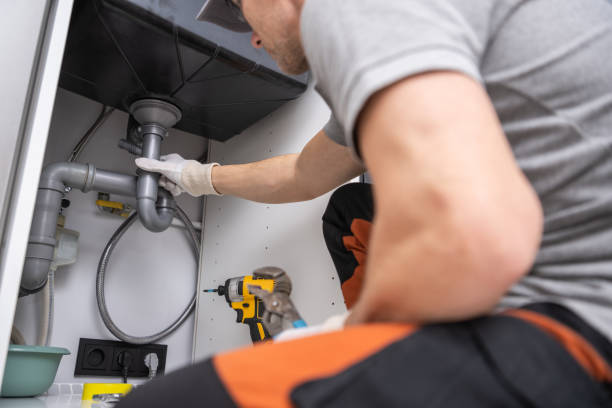
Some drain clogs are too deep or too severe for DIY methods. A professional plumber has tools and expertise you don’t have at home.
A motorized drain auger is a powered version of a hand-crank snake. It has more power and can reach deeper blockages. A hydro-jet is a high-pressure water jet system that blasts away blockages and mineral deposits from inside the pipe. A camera inspection allows a plumber to see inside your pipes and diagnose exactly where the blockage is and what’s causing it.
If your drain has been slow for months, or if it keeps clogging repeatedly despite your best efforts, there might be a deeper issue. Tree roots invading the line. A collapsed section of pipe. A structural problem that simple cleaning won’t fix. A professional camera inspection will reveal what’s actually wrong.
When you contact us for drain service, a technician can assess your situation and recommend whether simple snaking will work or if you need hydro-jet cleaning or camera inspection. They’ll address the root cause instead of just treating the symptom.
If chemicals have already damaged your pipes, a professional inspection can identify the damage before it becomes a major problem. Catching pipe damage early prevents water leaks and expensive structural repairs later.
Taking Control of Your Slow Drain
A slow drain doesn’t have to be a problem that worsens over time. The key is avoiding the common mistakes that make it worse and using methods that actually work.
Don’t reach for chemical cleaners. Don’t use hot water with grease clogs. Don’t aggressively plunge or poke at blockages. Instead, use a drain screen to prevent hair from entering in the first place. Use a mechanical drain snake to safely remove existing blockages. If that doesn’t work, remove the P-trap and clean it manually. And if nothing works, call a professional who has the tools to diagnose and fix the real problem.
Most slow drains can be cleared with these simple approaches. The ones that can’t usually indicate a deeper issue that requires professional assessment. Either way, you’ll solve the problem without damaging your plumbing system in the process.
FAQ
Is a slow drain an emergency?
Not usually. A slow drain is a maintenance issue that should be addressed soon, but it’s not an emergency requiring immediate service. However, if the drain is completely blocked and water is backing up into your sink, or if you smell sewer gas, call a professional right away.
How often should I clean my drain to prevent clogs?
Install a drain screen and use it consistently. Run hot water down the drain once weekly. Use baking soda and vinegar monthly if you want extra prevention. These simple habits prevent most slow drain problems from developing.
Can I use baking soda and vinegar instead of chemical cleaners?
Yes, this is a safe alternative. Pour a cup of baking soda down the drain, followed by a cup of white vinegar. Let it fizz for 30 minutes, then flush with hot water. This combination is much safer than chemical cleaners and works for minor buildup. For established blockages, it’s less effective than a drain snake.
Is it safe to remove the P-trap under my sink?
Yes, it’s safe to remove the P-trap. The two nuts holding it on can be unscrewed by hand. Place a bucket underneath first to catch water that’s trapped in the curve. If you’re not comfortable doing this, a plumber can remove it for you quickly.
Why does my drain keep clogging even after I clear it?
Repeated clogging suggests either you’re not fully clearing the blockage, or there’s a deeper issue in the plumbing system. Use a drain snake fully to ensure you remove the entire blockage. If it keeps happening, have a professional do a camera inspection to identify the root cause.
What’s the difference between a hand-crank drain snake and a motorized auger?
A hand-crank snake is manual and works for blockages close to the drain opening. A motorized auger has powered rotation and can reach deeper blockages further down your plumbing line. For blockages beyond ten feet, a motorized auger is more effective.