




A home can feel uncomfortable even when the thermostat says the temperature is exactly where it should be. During humid Canton summers, indoor air often feels sticky, heavy, or damp despite the AC running constantly. That happens because air conditioning does more than cool the air. It also removes moisture, and in many homes, humidity control is what actually determines whether the space feels comfortable.
When humidity removal works properly, indoor air feels cooler, cleaner, and more comfortable at higher temperatures. When it fails, the home often feels damp regardless of what the thermostat says.
In this guide, we’ll explain how air conditioners remove humidity, why moisture control matters just as much as temperature, and what causes homes to feel clammy even when the AC appears to be working normally. We’ll also cover how evaporator coils remove water from the air, why oversized systems struggle with humidity, and how airflow, maintenance, and system sizing affect indoor comfort throughout the summer.
Key Takeaways
- Air conditioners remove humidity by condensing moisture from warm air across cold evaporator coil surfaces.
- Indoor comfort depends heavily on humidity control, not just lowering the temperature during hot summer weather.
- Oversized AC systems often cool homes too quickly without removing enough moisture from indoor air properly.
- Dirty filters and airflow restrictions reduce dehumidification performance and make homes feel damp or sticky indoors.
- Proper AC sizing and maintenance improve moisture removal, energy efficiency, and overall summer comfort significantly.
Canton’s Summer Humidity Problem (and Why Most People Miss It)
Here’s the reality of a Canton summer: while outdoor temperatures climb to the low 80s, relative humidity can exceed 70%. That’s not just uncomfortable. It’s actively working against your health, your home, and your energy bill.
The EPA recommends keeping indoor humidity between 30% and 50%. But with outdoor humidity this high, and most people focused purely on temperature, homes end up sitting at 55–65% humidity all season. That’s where mold starts to grow. That’s where dust mites thrive. That’s where wood warps and metal corrodes.
And here’s the trap: your air conditioner can absolutely bring the temperature down to whatever you set it to. But if the system isn’t removing humidity efficiently, your 72-degree home will feel stuffy and clammy instead of crisp and cool.
The difference comes down to how your AC actually works, and most homeowners have no idea.
How Your AC’s Evaporator Coils Actually Remove Humidity
Your air conditioning system has two main heat exchangers: the evaporator coil inside your home (in the air handler or furnace) and the condenser coil outside (in the outdoor unit).
The humidity removal happens at the evaporator coil. Here’s the process:
Warm, humid air from your home gets pulled into the system and forced across the evaporator coil. This coil is cold refrigerant circulating through it, keeping it at temperatures well below the dew point of the air passing over it. When warm, moist air hits that cold surface, the moisture in the air condenses into water droplets, just like condensation on a cold glass of iced tea on a hot day.
This is not a separate dehumidification process. It happens automatically as part of the cooling cycle. The colder the coil, the more moisture it can extract from the air.
Once the moisture condenses on the coil, it has to go somewhere. That’s where the condensate drain comes in.
The Condensate Drain: Where the Moisture Goes
Below the evaporator coil sits a pan, which is the condensate drain pan. As water droplets form on the cold coil, they collect in this pan and drain down a pipe that typically runs outside your home or to a drain in your basement. An average-sized AC system can remove as much as 9 gallons of water per day during peak summer months.
That’s nine gallons of moisture being pulled out of your home every single day. But only if the drain is working.
Blocked condensate drains are one of the most common reasons why an AC system cools but doesn’t dehumidify. If the drain gets clogged, usually from algae growth, mineral buildup, or debris, water backs up in the pan. The system can’t extract new moisture. Humidity levels rise. Mold can grow in the pan itself.
This is preventable. And this is where maintenance becomes critical.
Why Cooling and Dehumidification Are Linked (But Not the Same)
Here’s the misconception that trips up most homeowners: “If my air conditioner is running, it’s removing humidity.”
Wrong. Your AC removes humidity when conditions are right. And those conditions depend on three things: the temperature you set, the outdoor humidity level, and how long the system runs.
Temperature setting matters. The colder you set your thermostat, the longer your evaporator coil stays active and cold, and the more moisture it removes. If you set the thermostat to 78°F on a humid day, your system might run for short bursts, just long enough to cool the house, but not long enough to remove much moisture. Set it to 72°F, and the system runs longer, and the coil stays cold throughout. More runtime = more humidity removal.
Outdoor humidity matters. When outdoor humidity is 75% and you’re trying to maintain 45% indoors, your AC has to work harder and run longer to achieve that. The system has to pull more moisture out of the air. On milder days with less outdoor humidity, the load is lighter.
System runtime matters most. This is the critical factor. Oversized AC systems will cool your home quickly and then shut off. The evaporator coil doesn’t stay cold long enough to remove much moisture. Undersized systems run constantly but might not cool fast enough. Right-sized systems find the sweet spot where they remove both temperature and humidity.
Signs Your AC Isn’t Removing Humidity Properly
If your Canton home is cool but feels uncomfortable, pay attention to these warning signs:
Sticky feeling, despite the low temperature. You walk into a 72-degree home but it feels like a sauna. That’s high humidity masking poor cooling. Your AC got the temperature right but missed the humidity.
Musty smells. Humidity enables mold and mildew growth. If you notice that musty odor, your AC’s dehumidification system is failing.
Visible condensation on windows or mirrors. Interior condensation means the air inside is holding more moisture than it should. Your AC isn’t removing it fast enough.
Moisture spots on walls or ceilings. This is a serious sign. If moisture is appearing on structural surfaces, your AC has been failing at humidity removal for a while, and you need AC repair service now.
Visible algae in the condensate pan. When you look at the drain pan under your air handler, you see green or black growth. That algae indicates the pan is staying wet too long, which means it’s also preventing proper moisture removal.
4 Common Humidity Problems in Canton Homes
Canton’s climate creates specific humidity challenges that a lot of homeowners don’t anticipate:
1. Summer basement moisture. Even if your upstairs AC is dehumidifying well, basements often stay damp. Cool basement air can’t hold as much moisture. If your basement is only partially air-conditioned, or if ductwork doesn’t reach there effectively, humidity can accumulate in that space. This is where mold colonies grow unnoticed.
2. Bathroom and kitchen humidity spikes. These rooms generate their own moisture from showers, cooking, and laundry. If your AC isn’t removing baseline humidity already, these spikes push your home over 60% humidity quickly. Then you get mold in bathroom corners and mildew on kitchen exhaust fans.
3. Second-floor heat and humidity. Heat rises. Upper floors get hotter and hold more moisture. If your AC isn’t sized to handle the heat load upstairs, or if ductwork is undersized to that floor, the second story becomes its own humidity zone. You get condensation on upper-floor windows while downstairs feels fine.
4. Humidity rebound at night. Your AC cools and dehumidifies during the day. At night, you raise the thermostat to save energy, the AC runs less, and humidity creeps back up. Next morning, the air feels damp again. It takes hours of runtime to pull that moisture back out.
These aren’t failures of your AC. They’re failures of how the system is being used or maintained. And they’re fixable.
The Critical Role of AC Maintenance in Humidity Control
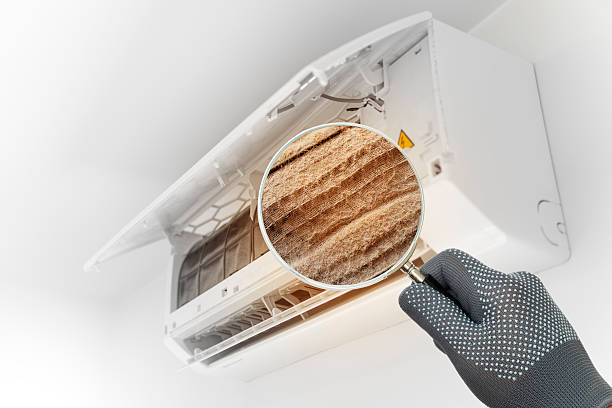
This is where it all connects: AC maintenance isn’t about keeping your system running. It’s about keeping your dehumidification system working.
Here’s what happens during proper AC maintenance:
Condense drain inspection and cleaning. A technician checks the drain line, clears any blockages, and ensures water flows freely. This is the single most important thing you can do to maintain humidity control. A clogged drain kills dehumidification instantly.
Evaporator coil cleaning. Dust and debris accumulate on the cold coil over time, reducing its ability to absorb moisture. A clean coil is a cold coil. A cold coil removes moisture.
Refrigerant charge verification. If your system is low on refrigerant, the evaporator coil doesn’t get cold enough. Humidity removal suffers. A properly charged system removes more moisture faster.
Airflow check. Dirty filters, blocked vents, or kinked ductwork reduce airflow across the evaporator coil. Less air contact with the coil = less moisture removal. Maintenance ensures air moves freely through the system.
System performance testing. A technician measures humidity removal to confirm the system is actually working. You get data, not assumptions.
Regular maintenance, typically twice a year (spring and fall), keeps your AC’s dehumidification system operating at peak efficiency all summer. Skip maintenance, and you’re essentially letting your humidity removal capability decline gradually. By mid-August, you’re cooling a damp home.
When AC Repairs Become Necessary for Humidity Control
Sometimes maintenance isn’t enough. If your AC is old, oversized, or damaged, you need AC repair, rather than just a tune-up.
Refrigerant leaks reduce cooling power and dehumidification capacity. You’ll notice the system cooling weakly and humidity staying high. The leak has to be found and sealed, and refrigerant has to be recharged.
Failing compressors mean the system can’t create enough pressure to make the evaporator coil cold enough. Humidity removal drops off a cliff. The compressor often needs to be replaced.
Damaged evaporator coils (from corrosion or physical damage) can’t absorb moisture efficiently. Coil replacement is expensive but necessary if the damage is severe.
Oversized systems that cool too fast to dehumidify well might need to be replaced with a correctly sized unit, or supplemented with a whole-home dehumidifier.
These are repairs, not maintenance items. They require professional diagnosis and usually professional repair. But they’re why you can’t just rely on a homeowner’s spring tune-up; sometimes the system itself needs work.
Keeping Your AC’s Dehumidification System Working All Summer
Your air conditioner does two jobs in summer: it cools, and it removes moisture. Both are equally important to comfort. Both require attention.
If you’re in Canton and your home is cool but feels clammy, the problem isn’t temperature. It’s humid. And the fix starts with a maintenance call. A technician can inspect your condensate drain, test your system’s humidity removal capacity, and identify any repairs that would improve performance.
Green Energy AC Heating & Plumbing Repair serves Canton with the kind of detailed HVAC diagnostics that matter. Whether you need a spring maintenance visit to keep your humidity removal system running strong, or a repair to fix a failing compressor or refrigerant leak, getting the system right means getting both cooling and dehumidification right.
Book an AC maintenance visit this spring, and you’ll spend your summer comfortable instead of clammy.
FAQs
What’s the ideal humidity level for my home in summer?
The EPA recommends keeping indoor humidity between 30% and 50%. In summer, aim for 40–50%. Anything above 55% creates an environment where mold and dust mites thrive. Anything below 30% can cause dry skin and respiratory irritation. Most people find 45% to be the comfort sweet spot.
Can I add a dehumidifier if my AC isn’t removing enough humidity?
Yes. If your AC system is old, oversized, or can’t keep up with Canton’s humidity, a whole-home dehumidifier can be integrated into your HVAC system to work alongside your AC. It removes additional moisture that the cooling system misses. This is often more cost-effective than replacing the AC itself.
How often should I have my AC maintained to keep humidity removal working?
Twice a year. Once in spring before the cooling season starts, and once in fall after it ends. Spring maintenance ensures your condensate drain is clear, your coil is clean, and your system is ready to remove moisture all summer. Fall maintenance catches any issues before winter.
My AC runs constantly but my home is still humid. What’s wrong?
If the system runs constantly without bringing humidity down, several things could be wrong: refrigerant leak (coil not cold enough), clogged condensate drain (moisture backing up), evaporator coil is dirty (reduced cooling), oversized system (runs in short bursts instead of long steady cycles), or outdoor humidity is so high that the system can’t keep up. This needs professional diagnosis to identify which one.
Is humidity removal the same as just running my AC longer?
Not exactly. Running your AC longer does remove more moisture. The coil stays cold longer and pulls out more water. But this only works if the condensate drain is clear and the system is sized correctly. Running a system constantly without the right conditions doesn’t improve humidity control; it just wastes energy.