




You turn on your air conditioner on a hot afternoon. The unit kicks on. Cold air starts flowing. Then you hear it. A buzzing sound coming from outside. It’s not loud, but it’s there. And it’s making you worried. Something doesn’t sound right. Is the system broken? Is it dangerous? Is this going to cost you thousands of dollars?
The buzzing noise might be nothing serious. Or it might be a sign that your AC needs immediate attention. The problem is you can’t tell just by listening. And that uncertainty is frustrating when it’s your comfort and your investment at stake.
In this blog, you’ll learn exactly what causes AC buzzing noises, which ones are dangerous and require emergency repairs, and which ones can wait for an appointment with your technician.
Key Takeaways
- AC buzzing usually comes from loose parts, worn components, or electrical issues that need professional attention.
- Compressor isolation feet wear out over years, causing vibration and buzzing noise during operation.
- Electrical arcing buzzing poses fire risk and requires immediate system shutdown and professional repair.
- Some buzzing causes like clogged filters can be prevented with routine maintenance before problems develop.
- Refrigerant leaks and frozen coils both produce buzzing and require licensed technician diagnosis and repair.
What That Buzzing Sound Really Means
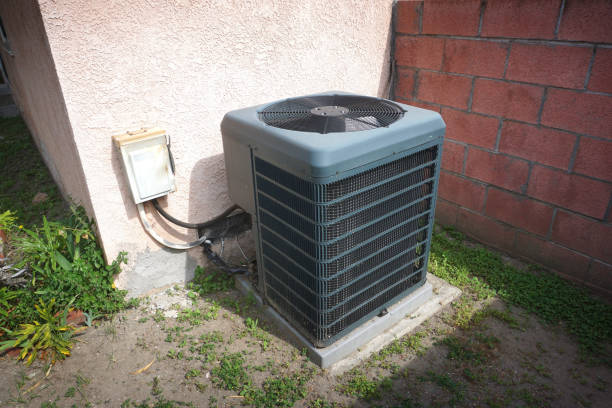
Buzzing is different from other AC noises. A squealing sound often means a belt issue. A rattling sound suggests loose components. A grinding noise indicates mechanical failure. Buzzing has its own distinct cause. It usually means something is vibrating at a specific frequency or electrical current is arcing between contacts.
Buzzing from your outdoor AC unit specifically suggests the problem is in the compressor, condenser fan, or electrical system. Inside your home, buzzing in the air handler usually points to fan motor issues or loose components inside the cabinet.
The key insight is this: buzzing is not normal. A healthy air conditioner operates with a quiet hum or a gentle whooshing sound as air moves. If you’re hearing a buzz, something inside the system is not functioning as designed. And while some buzzing causes are minor, others are genuinely dangerous.
This is why ignoring AC buzzing is risky. You can’t tell from the sound alone whether it’s a loose panel screw that takes five minutes to tighten, or an electrical problem that poses a fire risk to your home.
The Compressor and Isolation Feet: A Common Culprit
Your AC compressor sits on the base of the outdoor unit, mounted on small rubber feet. These feet are called isolation pads, and their job is to absorb vibration and keep the compressor stable during operation.
Over years of use, these rubber isolation pads wear down. The rubber can crack, disintegrate, or lose its cushioning properties. When that happens, the compressor is no longer isolated from the base of the unit. It vibrates directly against the metal frame. That vibration creates the buzzing sound you hear.
How common is this problem? Very common. Any outdoor AC unit that’s more than five to seven years old has a decent chance of having degraded isolation feet. By ten years, it’s almost certain.
The good news: replacing isolation feet is a relatively simple repair. A technician removes the old rubber pads and installs new ones. The process takes about an hour. The cost typically ranges from $150 to $300 depending on your system.
The problem is that if you ignore it, the constant vibration stresses other components. The compressor itself can suffer internal damage. Refrigerant lines can develop leaks. The buzzing starts as a warning, and if you wait too long, it becomes an expensive compressor replacement ($1,200 to $2,500).
Loose Parts and Panels
Your AC unit is constructed from multiple panels, access covers, and metal components all bolted together. These bolts and fasteners are designed to stay tight. But vibration from operation loosens them over months and years.
A single loose bolt on a panel can cause surprising buzzing. A loose access cover that vibrates during operation produces the same sound. Even a loose refrigerant line, rattling against the compressor casing, creates that distinct buzz.
Loose parts are easily fixed during an inspection. A technician identifies which components are loose, tightens the bolts and fasteners, and the noise stops. Cost: usually between $100 and $200 depending on how many loose components need attention.
The frustration is that you need a professional to diagnose this. You can’t see inside the unit from the outside. You can’t tell which specific bolts are loose just by hearing the sound. This is why a simple phone call for an inspection is the right move when you hear buzzing.
Condenser Fan Problems
The condenser fan inside your outdoor AC unit is constantly spinning. It pulls air through the condenser coil to help dissipate heat. When the fan malfunctions, it buzzes.
The causes are several. Debris can lodge in the fan casing, preventing the blade from turning freely. The fan motor can develop worn bearings, creating friction and vibration. The capacitor that powers the fan can fail, causing the motor to buzz as it struggles. The fan blade itself can become unbalanced.
In all these cases, the symptom is the same: buzzing that occurs whenever the AC runs. The difference is in what happens next. A fan motor that’s struggling due to a bad capacitor might continue buzzing for weeks. A fan blade with debris caught in it might eventually seize up completely, stopping the blade from spinning at all. Both require professional repair.
Fan motor replacement typically costs $300 to $600 depending on the system. Capacitor replacement costs $150 to $250. Clearing debris costs minimal if that’s the only issue.
Electrical Issues and Why They’re Dangerous
This is the buzzing cause that matters most: electrical arcing. When electrical current jumps between loose connections or worn contacts, it creates a buzzing sound and generates intense heat. This is dangerous.
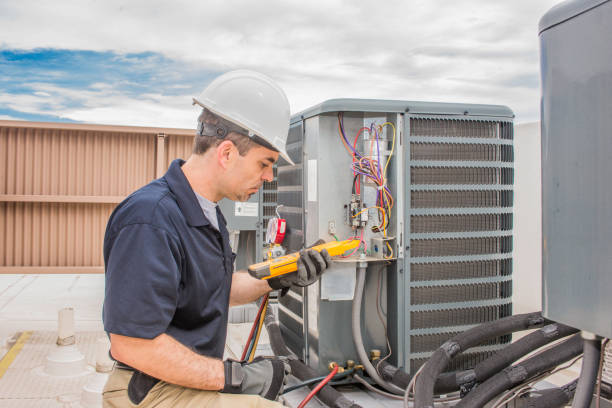
Electrical arcing can start a fire inside your AC unit. It can damage your home’s electrical wiring. It can pose electrocution risk to anyone servicing the system.
Warning signs of electrical arcing include:
- Buzzing accompanied by a burning smell
- Visible sparks or scorch marks inside the unit
- Buzzing that gets louder over time
- The breaker for your AC trips repeatedly
If you experience any of these, turn off your AC immediately at the breaker. Do not attempt to run the system again. Call an HVAC technician right away.
Electrical problems can result from loose wire connections, corroded contacts, a failing capacitor, or a bad contactor. All require professional diagnosis and repair. Costs range from $200 to $800 depending on what needs to be replaced.
Refrigerant Leaks and Frozen Coils
Less obvious buzzing causes include refrigerant leaks and frozen evaporator coils.
A refrigerant leak prevents the system from cooling properly. The evaporator coil doesn’t get cold enough. Pressure inside the system changes. The compressor struggles. The result is sometimes buzzing as the compressor works harder than it should.
A frozen evaporator coil occurs when airflow is blocked, usually by a clogged air filter or very low refrigerant. Ice builds up on the coil. The fan tries to push air through but struggles against the ice blockage. Buzzing results.
Both problems require professional intervention. A refrigerant leak must be located, sealed, and the system recharged. A frozen coil must be thawed, the underlying cause must be addressed, and the system must be verified to work properly.
Regular AC maintenance prevents both these problems. A clogged air filter is something you can prevent by changing filters every one to three months. Low refrigerant and leaks require professional inspection during service calls.
When Buzzing Requires Immediate Action
Not all AC buzzing is created equal. Some buzzing means you should schedule an appointment next week. Other buzzing means you should turn off your system now and contact us for emergency service.
Call immediately and turn off your system if:
- Buzzing is accompanied by a burning smell
- You see sparks or scorch marks
- The circuit breaker trips when the AC runs
- Buzzing is extremely loud and getting louder
- You hear crackling or popping sounds along with the buzz
In these situations, there’s likely an electrical problem or internal component failure that poses a safety risk.
In other cases, where buzzing is steady and consistent with no accompanying warning signs, you can schedule AC Repair service at your earliest convenience, usually within a few days. The buzzing will continue, but the system is safe to run in the short term.
The only way to know for certain which category your situation falls into is to have it inspected. A technician can identify the source of the buzzing in minutes and advise whether it’s urgent or routine.
Taking Buzzing Seriously Without Overreacting
The worst approach is to ignore AC buzzing and hope it goes away. It won’t. It will get worse. Components will degrade. What started as a simple fix becomes an expensive repair.
The best approach is to take the noise seriously enough to call for an inspection, but not so seriously that you panic if there’s no emergency. Most AC buzzing has straightforward causes and straightforward solutions. Once the problem is identified and fixed, the system runs quietly again.
If your isolated feet are worn, they’ll be replaced. If a panel is loose, it’ll be tightened. If the fan motor is failing, it’ll be replaced. None of these are catastrophic.
For Canton homeowners dealing with AC buzzing, the solution is simple: get it inspected. Call a technician. Let them diagnose the issue. Then decide whether it requires emergency attention or can wait for the next available appointment. You’ll have certainty instead of worry, and your AC will keep running smoothly.
FAQs
Is AC buzzing always dangerous?
A: No. Some buzzing is caused by simple issues like loose bolts or worn isolation feet. These are not dangerous, though they should be fixed. However, buzzing accompanied by burning smell, sparks, or repeated breaker trips indicates electrical problems that are dangerous. It’s the combination of buzzing with other warning signs that creates risk.
Can I fix AC buzzing myself?
A: Usually not. While some causes like loose panels seem simple, diagnosing which component is actually causing the buzz requires experience and proper tools. A technician can identify the source in minutes. Attempting DIY repairs on AC systems can be risky, especially if there’s any electrical component involved. Professional diagnosis is the safest approach.
How much does it cost to fix AC buzzing?
Cost depends entirely on the cause. Tightening loose bolts might cost $100 to $150. Replacing isolation feet costs $150 to $300. Replacing a capacitor costs $150 to $250. Replacing a fan motor costs $300 to $600. An electrical problem could cost anywhere from $200 to $800. The only way to know your actual cost is to have the system inspected.
Does AC maintenance prevent buzzing?
It can prevent some causes. Routine maintenance keeps filters clean, preventing frozen coils. It catches loose components early before they buzz. It checks capacitors and electrical connections for issues. However, isolation feet naturally wear out over time regardless of maintenance. But regular maintenance does catch problems earlier and prevents small issues from becoming expensive repairs.
Should I turn off my AC if it’s buzzing?
Only if the buzzing is accompanied by a burning smell, visible sparks, or circuit breaker trips. Otherwise, it’s safe to run while you wait for an inspection. Continuous buzzing without warning signs won’t damage the system further, though the underlying cause should be fixed to prevent eventual failure.