




A loud banging noise coming from the walls after shutting off a faucet can sound alarming, especially when it happens suddenly and shakes the plumbing system throughout the house. The noise often occurs after turning off showers, sinks, dishwashers, or washing machines, and while it may seem like a pipe has burst inside the wall, the issue is usually something called a water hammer.
While a water hammer is not usually an emergency, repeated pressure surges can loosen fittings, strain pipe joints, and increase the risk of plumbing leaks over time if the problem is ignored.
In this blog, we’ll explain what causes water hammering, why pipes bang when water flow suddenly stops, and what plumbing conditions make the problem worse in certain homes. We’ll also cover common warning signs, long term risks, and the most effective ways to reduce pressure shock inside the plumbing system before leaks or pipe damage develop.
Key Takeaways
- Water hammer occurs when moving water suddenly stops and creates pressure shock inside plumbing pipes.
- Banging pipes commonly happen after shutting off faucets, washing machines, dishwashers, or shower valves quickly.
- Older plumbing systems and high water pressure often increase the severity of water hammer throughout homes.
- Repeated pressure surges can weaken fittings, loosen pipe connections, and eventually cause hidden plumbing leaks.
- Water hammer arrestors and pressure reducing valves help absorb shock and protect residential plumbing systems.
What That Banging Sound Actually Is
A water hammer, also called hydraulic shock, is the sound your pipes make when flowing water suddenly stops, and the momentum of that water creates a pressure surge that travels backward through your plumbing system.
Here’s the key insight: water has weight and momentum. It doesn’t stop moving just because a valve closes. When you shut off a faucet or when an appliance like a washing machine closes its intake valve, that moving column of water slams into the closed valve with force. The result is a pressure spike, sometimes exceeding 500 psi in your pipes, compared to your normal operating pressure of 40–80 psi.
That spike travels through your plumbing system as a shock wave, bouncing backward through pipes at the speed of sound. Every joint, elbow, and connection feels that shock. And if your pipes aren’t secured properly, they physically bang against the framing. That’s the noise you hear.
It’s startling. But it’s predictable physics. And it’s preventable.
How Water Hammer Works (The Physics Simplified)
Your water supply system works like this: water flows through your pipes at roughly 5 to 7 feet per second. It’s constant, even pressure, delivered to faucets and appliances on demand. The system is in equilibrium.
Then something closes a valve instantly. A washing machine’s inlet valve shuts. A solenoid valve in a dishwasher stops abruptly. A quick-close faucet cartridge snaps shut.
That water doesn’t stop instantly. It has momentum. The sudden obstruction forces all that moving water to decelerate in a fraction of a second. The pressure difference between the moving water and the closed valve creates an instantaneous spike, a shock wave.
This shock wave travels backward through the pipes toward the water source (your main line or pressure tank). When it hits an obstruction or change in pipe direction, it rebounds and travels the other way. The shock bounces back and forth through your plumbing, losing energy with each bounce, until friction and the flexibility of the pipes eventually absorb it all.
The whole event lasts only a few seconds. But in that time, your pipes are experiencing pressure spikes five to ten times higher than normal. And that’s when damage can begin.
What Causes Water Hammer in Your Home
Water hammering doesn’t happen randomly. It happens when specific conditions align. Understanding what causes it helps you identify the problem and the solution.
Washing Machines and Dishwashers. These appliances have fast-closing solenoid valves designed to shut off water supply instantly when the cycle finishes or transitions. That instant closure is the classic water hammer trigger. If your home was built in the last 30 years, this is the most likely culprit.
Old Float Valves in Toilet Tanks. An older toilet with a ball-float fill valve can cause a water hammer if the float is worn or misaligned. As the tank fills, the float rocks up and down slightly, opening and closing the valve repeatedly. Each closure creates a mini shock wave. Over time, this repetitive hammering stresses the plumbing.
High Water Pressure. If your home’s water pressure is above 80 psi (most municipal systems deliver 40–80 psi), the shock waves from closing valves are more violent. Higher pressure amplifies the water hammer. Homes at the end of municipal water lines or supplied by wells with aggressive pressure tanks are most prone to this.
Loose or Improperly Secured Pipes. If your pipes aren’t strapped securely to framing, they can move when shock waves travel through them. That movement creates the banging you hear. In some homes, pipes have come loose over decades, making water hammer worse.
Checkvalves or Isolation Valves. Check valves (designed to prevent backflow) can create a water hammer if they slam shut during normal operation. Isolation valves that are closed partially or in unusual configurations can also trigger it.
Why You Shouldn’t Ignore That Banging
A water hammer might sound scary, but is it actually dangerous? The short answer: not immediately, but yes over time.
In the short term, an occasional water hammer is more of an annoyance than a threat. One bang when you shut off the shower isn’t going to rupture your pipes.
But repeated, frequent water hammer, especially if it happens multiple times per day, accumulates damage. Each shock wave stresses joints and connections. Seals loosen gradually. Fittings weaken. After weeks or months of repeated stress, that accumulated damage surfaces as leaks.
These leaks start small. A pinhole at a joint. A slow drip from a connection. But if undetected, small leaks become bigger problems: water damage to walls, ceilings, and structural framing. Mold growth. Corrosion of metal pipes. Damage to appliances like water heaters and washing machines, whose inlet connections take the brunt of shock waves.
The other risk is rupture. While it’s rare, severe and prolonged water hammer can eventually cause pipes to burst, especially if your system is old, corroded, or under high pressure. A burst pipe is expensive; you’re looking at cutting into walls and replacing sections of plumbing.
This is why a water hammer is something you address sooner rather than later. Early intervention prevents expensive damage.
Solutions: From DIY Fixes to Professional Help
Not all solutions require a plumber, but the best ones do. Here’s the spectrum of options.
Securing Loose Pipes. If the banging is loud and physical (you can hear it coming from the walls), your pipes might be loose. A plumber can identify which pipes are moving and secure them with straps and clips to the framing. This won’t eliminate the water hammer entirely, but it reduces the noise and the stress on connections.
Adjusting Water Pressure. If your home’s water pressure is above 80 psi, reducing it can significantly diminish water hammer. A pressure reducing valve installed at your main water line does this automatically. It’s a relatively simple upgrade and solves many water hammer cases, especially in homes with high-pressure well systems or those at the end of municipal lines.
Replacing Quick-Close Valves. If a washing machine or dishwasher is causing the banging, you can replace the simple inlet valve with a shock-absorbing version. This is more specialized, but some plumbers can source these parts.
Air Chambers. Older homes sometimes have air chambers built into the plumbing. Vertical pipe sections filled with air that act as shock absorbers. If these have filled with water over time (common after decades), a plumber can drain them to restore their air cushion. This is a quick fix if it’s your issue, but less common in newer homes.
Water Hammer Arrestors: How They Work
The most reliable solution for a water hammer is a water hammer arrestor. This is a small device that absorbs shock waves before they propagate through your system.
An arrestor works using a simple principle: it contains a spring and an air bladder (or piston). When a shock wave hits the arrestor, the incoming pressure compresses the air inside, absorbing the energy of the shock. This prevents the pressure spike from traveling further through your pipes.
Arrestors come in three types:
In-line arrestors are installed directly in the water line, usually near the source of the hammer (close to a washing machine, dishwasher, or main inlet). They’re effective because they catch the shock wave immediately after it’s created.
Screw-in arrestors are smaller versions that thread onto existing connections. They’re useful for targeted placement near specific appliances.
Capped vertical arrestors are installed as standalone vertical pipes with a cap, typically in or near walls. They’re less common in residential homes but are still available.
The ideal installation is to place arrestors close to the valve or appliance that’s causing the hammer. A plumber will size and position them based on your system’s pressure and flow rate.
When to Call a Professional (And Why It Matters)
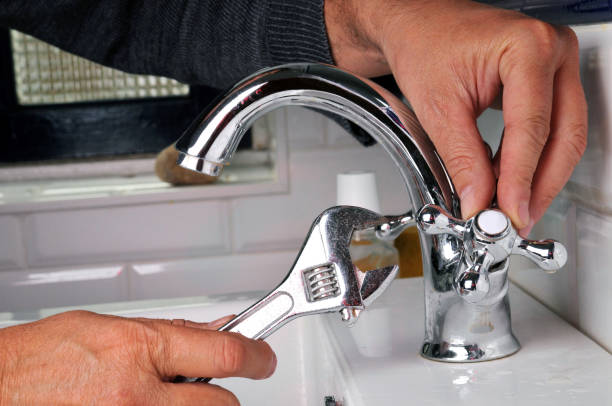
You can diagnose a water hammer on your own. The banging sound is pretty unmistakable. But solving it properly usually requires professional help.
A plumber can:
- Identify exactly which valve or appliance is causing the hammer
- Measure your home’s water pressure to determine if that’s the root cause
- Install pressure reducing valves if needed
- Size and install water hammer arrestors in the right locations
- Replace faulty valves in appliances or isolation points
- Secure loose pipes
- Inspect your system for existing damage (leaks, weakened joints)
This is important because water hammer solutions aren’t one-size-fits-all. A high-pressure system needs pressure reduction. A washing machine causing daily banging needs an arrestor at that location. Loose pipes need securing. A combination of problems needs a combination solution.
When you contact us, a technician can diagnose your water hammer in minutes. If your plumbing system is old or you suspect existing damage, they can also check for leaks or weakened connections before they become emergencies. Sometimes a water hammer is pointing to a Faucet Repair or valve issue that needs attention anyway.
Protecting Your Pipes from Water Hammer
Water hammer is fixable, preventable, and worth addressing now rather than later. The physics behind it is simple: moving water, sudden stop, pressure shock. The solutions are equally straightforward: slow down the water, absorb the shock, reduce the pressure, or secure the pipes.
Most homes with a water hammer can be fixed with a pressure reducing valve ($200–$400 installed) or water hammer arrestors ($150–$300 per unit, depending on type). These are investments that protect thousands of dollars in plumbing infrastructure and appliances.
If you’re hearing banging when appliances shut off or when you close faucets suddenly, don’t wait for leaks to appear. Get the water hammer addressed while it’s just a noise. Once you’ve fixed it, you’ll get the added bonus of quieter plumbing and the peace of mind that comes with knowing your pipes aren’t under repeated stress.
For a proper diagnosis and a quote on fixing your water hammer, contact us today. Green Energy AC Heating & Plumbing Repair can identify the source, recommend solutions tailored to your home, and install the fix that stops the noise and protects your plumbing.
FAQs
Is a water hammer dangerous?
Not immediately, but yes over time. A single bang when you turn off water isn’t a problem. But repeated water hammer (especially multiple times per day from appliances) causes cumulative stress on joints, fittings, and seals. Over weeks or months, this can lead to leaks and eventually ruptures. Address it early to prevent expensive water damage.
Why do my washing machine and dishwasher cause the most banging?
Both appliances have fast-closing solenoid valves that shut off water instantly when cycles complete or transition. That instant closure creates the shock wave. Some newer appliances have built-in shock absorbers, but many don’t. If you have older appliances, they’re likely the culprit.
Can I fix water hammer myself?
You can diagnose it, and you can do basic fixes like securing loose pipes. But proper solutions, like installing pressure reducing valves or water hammer arrestors, are best left to a plumber. These require specific equipment, pressure testing, and knowledge of your home’s system to install correctly and safely.
How much does it cost to fix water hammer?
It depends on the cause and solution. A pressure reducing valve installed at your main line runs $200–$400. Water hammer arrestors cost $150–$300 each, installed. If your issue is just loose pipes, securing them might be $100–$200. Most homes can fix the problem for under $500.
What’s the difference between a pressure reducing valve and a water hammer arrestor?
A pressure reducing valve limits the overall pressure in your system, which reduces the force of shock waves. A water hammer arrestor absorbs individual shock waves using an internal air bladder. A pressure reducing valve is a system-wide solution; an arrestor targets specific problem areas. Often, both are used together for complete protection.