




You flush. The water swirls down. For a moment, you think it’s over. Then the refill valve kicks in with a hiss, and water starts flowing back into the tank. You wait. Ten seconds pass. Still running. Fifteen seconds. This happens every single time you flush, and you’re starting to wonder if something inside your toilet is broken.
It might be. And it’s costing you money.
A running toilet isn’t just annoying. An average running toilet wastes about 200 gallons of water every single day. That translates to roughly 1,000 to 2,500 dollars a year on your water bill. Most people don’t realize this. They hear the refill cycle and assume it’s normal. It’s not.
In this article, you’ll discover exactly why your toilet keeps running after every flush, which parts are failing, and whether you can fix it yourself or need a plumber.
Key Takeaways
- Worn or warped flappers are the number one cause of running toilets and cost under five dollars to replace.
- A single running toilet wastes two hundred gallons daily, adding a thousand to twenty five hundred dollars yearly.
- The food coloring test determines whether the leak is in the flush valve or fill valve section.
- Most DIY flapper replacements take thirty minutes and require no special plumbing experience.
- Professional repairs cost between one hundred fifty and three hundred dollars but pay for themselves within one year.
What That Refill Sound Really Means
That sound you hear when your toilet runs after flushing is the fill valve opening up to refill the tank. It’s supposed to happen. After every flush, the water level in the tank drops significantly. The float inside the tank drops with it, triggering the fill valve to open. Water flows back in, the tank refills, the float rises, and the fill valve closes again. The whole cycle should take about 5 to 10 seconds.
But here’s the problem: if the fill valve keeps running past 10 seconds, that means the tank never reaches the proper water level. The float never rises to trigger the valve to shut off. And if that’s happening, there’s a leak somewhere.
The leak isn’t in the fill valve itself. It’s in the flush valve. Water is escaping from the tank through the flush valve and into the toilet bowl. This happens while you’re sitting there, while you’re sleeping, while you’re at work. That water is gone. The fill valve detects the low water level and keeps refilling. Your water meter keeps spinning.
This is why a running toilet is not something to ignore. It’s an active leak happening continuously, not a minor drip.
The Flapper: The Most Common Culprit
Your toilet’s flush valve contains a piece called the flapper. It’s usually a rubber disc or, in newer toilets, a plastic ball or disc. When you push the flush lever, the flapper lifts up, water rushes out of the tank and into the bowl, and then gravity pulls the flapper back down to seal the hole.
When the flapper seals properly, no water escapes. The tank refills, reaches the correct level, the float shuts off the fill valve, and silence. A complete cycle in about 30 seconds total.
When the flapper is worn, warped, misaligned, or covered in mineral buildup, it doesn’t seal completely. Even a tiny gap allows water to seep into the bowl constantly. The tank never refills to the proper level. The fill valve keeps running, trying to keep up.
Why do flappers fail? Age, mineral deposits from hard water, debris in the tank, and simple wear from thousands of flush cycles over years. A flapper typically lasts 4 to 7 years before needing replacement. Older toilets might have flappers that have already failed multiple times.
The good news: a replacement flapper costs under five dollars and takes about 30 minutes to install if you’re doing it yourself.
Other Reasons Your Toilet Keeps Running
Not every running toilet is caused by a failed flapper. Understanding the other culprits helps you diagnose the problem.
- Fill valve debris or sediment. Hard water leaves mineral deposits. Debris from new pipes or old corrosion can lodge in the fill valve, preventing it from closing completely. When this happens, water dribbles into the tank continuously, and the fill valve can’t detect when the tank is full. The valve cycles on and off irregularly, causing the running and refill sounds you hear.
- Float set too high. The float inside your tank controls when the fill valve shuts off. If someone adjusted it upward, or if it’s simply misaligned, the float never rises high enough to trigger the valve closure. Water spills over the overflow tube. The tank never reaches “full.” The valve keeps running.
- Refill tube positioned incorrectly. Some fill valve designs have a small tube that directs water into the overflow tube. If this refill tube is inserted too far into the overflow, it can siphon water out of the tank, causing continuous draining and refilling cycles. The tube should sit just above the overflow rim, not submerged inside it.
- Faulty fill valve. In less common cases, the fill valve itself is defective and won’t shut off no matter what you do. If cleaning the valve doesn’t work and the float is correctly positioned, the entire fill valve assembly usually needs replacement.
Each of these has different solutions, but all of them cause the same symptom: a running toilet that never reaches the “full” tank state.
How Much Water and Money You’re Actually Wasting
This is the part that makes people angry once they realize it.
A running toilet doesn’t waste a gallon or two. It wastes approximately 200 gallons per day. That’s 6,000 gallons per month. Over a year, it’s 73,000 gallons of clean drinking water flowing continuously into your sewer system.
The financial impact depends on your local water rates, but the average household pays about $1,000 to $2,500 per year for a single running toilet. Some households pay more. In areas with higher water costs or severe leaks, the bill can exceed $3,000 annually.
To put this in perspective: a running toilet wastes 25 times more water than a shower leak and 4 times more water than a leaky kitchen faucet. It’s the single worst water waster in a home.
And here’s the cruel part: if you don’t notice the running toilet, you’re still paying. You might not hear it if it’s a guest bathroom you don’t use often. You might assume the slight hiss is normal. Meanwhile, thousands of gallons are disappearing monthly.
Most people fix a running toilet only when they see the water bill jump significantly. By that point, they’ve already wasted months of water and paid hundreds in unnecessary bills.
The Simple Diagnostic Test You Can Do Right Now
Before you panic or call a plumber, you can determine whether the leak is in the flush valve or the fill valve. This takes five minutes and requires only food coloring.
Put a few drops of food coloring in the toilet tank. Don’t flush. Wait 15 to 20 minutes and check the toilet bowl. If the color appears in the bowl, the leak is through the flush valve. This means the flapper is failing or the valve seat is damaged.
If the bowl stays clear and the colored water remains only in the tank, the leak is on the fill valve side. The fill valve itself is leaking, sediment is blocking it, or the float is misaligned. These issues require different solutions.
This test eliminates guesswork. You’ll know exactly where the problem is, which helps determine whether you’re looking at a $5 flapper replacement or a more complex repair.
DIY Fixes That Actually Work
If you’re handy, several running toilet problems can be fixed without calling a plumber.
- Replacing a worn flapper. First, shut off the water at the valve behind the toilet. Flush to empty the tank. Remove the flapper by unhooking the chain and any fasteners (usually just a clip on either side). Take the old flapper to the hardware store and buy the identical replacement. Install the new one by reversing the removal process. Turn the water back on. Done. Cost: under $10. Time: 20 to 30 minutes.
- Cleaning the fill valve. If sediment is blocking the fill valve, you can sometimes clear it by turning off the water, removing the fill valve cap, and briefly turning the water back on to flush out debris. Then turn the water off again, reassemble the cap, and turn the water back on. If this works, you’ve solved the problem for free.
- Adjusting the float. If the float is set too high, locate the float adjustment screw or clip on the fill valve assembly. Lower it slightly, then turn the water on and observe. The tank should reach a proper level and the fill valve should stop. If this works, your problem is solved. Cost: zero dollars.
- Repositioning the refill tube. If the refill tube is submerged in the overflow, turn off the water, remove the tube from the overflow, and clip it so it sits just above the overflow rim. Turn the water back on. If this stops the running, you’re done.
These fixes address 80 percent of running toilet issues. They’re straightforward, inexpensive, and entirely doable for someone willing to spend 30 minutes learning how.
When You Need Professional Help
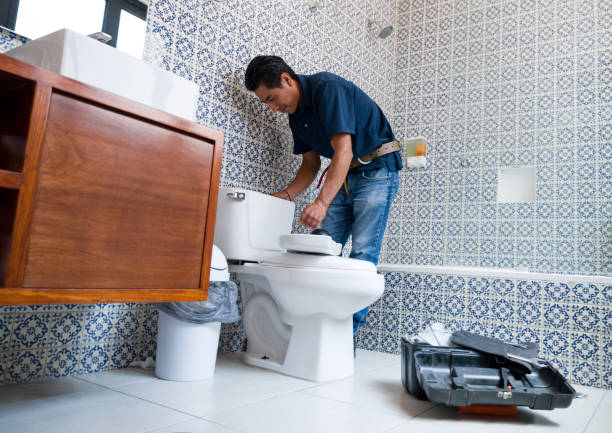
If the food coloring test shows the leak is in the flush valve, or if the flush valve seat is damaged, or if DIY fixes don’t work, you need a professional. Replacing a flush valve assembly or repairing a damaged valve seat requires more expertise than basic flapper replacement.
The same is true if your fill valve is genuinely defective and won’t shut off despite all adjustments. A plumber can diagnose this and replace the valve in about 30 to 60 minutes.
Professional toilet repairs typically cost between $150 and $300, depending on what needs to be replaced and your local plumbing rates. This sounds expensive until you do the math. If your running toilet costs you $1,500 per year in wasted water, a one-time $250 repair pays for itself within two months. Within one year, you’ve saved $1,250.
When you contact us for a toilet repair, a plumber can diagnose the exact problem in minutes, explain your options, and complete most repairs the same day. This is far better than hoping the problem goes away or watching your water bill climb month after month.
Stopping the Leak Without Calling Anyone
If you can’t get a plumber out immediately and you want to stop wasting water right now, there’s a temporary solution.
Turn off the water valve behind your toilet. It’s usually located along the water line that feeds the toilet tank. Turn it clockwise until it stops. This shuts off the water supply to that toilet completely. You can still flush using water that’s already in the tank, but no new water will flow in. The leak stops. The wasted water stops.
This is not a permanent solution. You’ll want to schedule a repair for when a plumber is available. But if you’re facing a $500 water bill and can’t get service for a few days, turning off that valve prevents additional waste.
Taking Control of Your Running Toilet
A running toilet is not a minor annoyance. It’s an active leak that wastes enormous amounts of water and costs real money every single day. Most running toilets are caused by simple, inexpensive problems that have straightforward solutions.
Whether you fix it yourself with a five dollar flapper or call a plumber for a $250 professional repair, addressing a running toilet quickly is an investment that pays for itself fast. The longer you wait, the more water you waste and the higher your bill climbs.
Start with the food coloring test. Diagnose exactly where the leak is. Try the simple fixes. If those don’t work, schedule a professional repair. Within a few days of fixing the problem, your water bill will start reflecting the savings.
FAQs
Is a running toilet really costing me that much money?
Yes. An average running toilet wastes 200 gallons daily, which adds up to roughly 1,000 to 2,500 dollars annually. The exact cost depends on your local water rates and the severity of the leak. A severe leak can cost even more. Check your water bill from before and after the problem started to see the actual impact.
Can I fix a running toilet myself if I’ve never done plumbing before?
Most likely yes. Flapper replacement is the most common fix, and it requires no special skills or tools beyond a basic understanding of how the tank works. You can watch a five-minute video and be ready to install a new flapper. Other simple fixes like adjusting the float or repositioning the refill tube are equally straightforward.
How do I know if my toilet is running if I can’t hear it constantly?
Use the food coloring test. Put a few drops in the tank and wait 15 to 20 minutes without flushing. If color appears in the bowl, your toilet is leaking. You can also watch your water meter. If it’s spinning even when no water is being actively used, you have a leak somewhere.
Q: What’s the difference between a running toilet and a constantly flowing toilet?
A: A running toilet cycles on and off periodically, refilling the tank as water escapes. A constantly flowing toilet has water draining continuously. Both are leaks, but a constantly flowing toilet usually indicates a more serious problem like a completely failed flapper or a severely damaged flush valve seat.
Will turning off the water behind the toilet hurt anything?
No. You can safely turn off the water valve behind a toilet indefinitely if needed. You’ll still be able to flush using the water in the tank. The valve is designed for this. Once it’s turned off, no water waste occurs. Just remember to turn it back on once the toilet is repaired, or you won’t be able to refill the tank.