




Your AC unit stops working on the hottest day of the year, and the technician starts talking about the compressor, the condenser, and a frozen evaporator coil. Here’s the short version: every central air conditioner has two halves that work as a team. Indoor parts (evaporator coil, blower motor, air filter, ductwork, thermostat) absorb heat from your home’s air. Outdoor parts (compressor, condenser coil, condenser fan, expansion valve, capacitor, contactor) pump that heat outside. Your AC doesn’t create a cold. It moves heat, using refrigerant as the vehicle.
Most homeowners can’t name these parts, and that’s a problem. Without understanding what’s inside your unit, you can’t spot problems early, maintain it properly, or have an intelligent conversation with the technician trying to fix it. Below, we name every core air conditioner part, explain exactly what it does, and flag the warning signs that mean it’s time to call a pro instead of guessing.
Key Takeaways
- Understanding air conditioner parts names helps homeowners identify issues early and avoid costly repairs over time
- Every air conditioning system works by moving heat through components like the compressor, coils, and refrigerant efficiently
- Indoor components like the evaporator coil, blower motor, and air filter directly affect airflow and cooling performance
- Outdoor components, including the compressor and condenser, handle heat release and are critical for overall system efficiency
- Small electrical parts, the capacitor and contactor, cause more no-start service calls than any other single component, and they’re not safe for DIY replacement
- Regular AC maintenance, like filter changes and inspections, prevents failures and extends the lifespan of air conditioning parts
Air Conditioner Parts List: Names, Location, and What Each One Does
Part | Location | What It Does |
Evaporator Coil | Indoor | Absorbs heat from indoor air as refrigerant passes through it |
Blower Motor & Fan | Indoor | Pushes cooled air through the ductwork and into your rooms |
Air Filter | Indoor | Traps dust, pollen, and debris before air reaches the evaporator coil |
Ductwork | Indoor | Carries cooled air from the air handler to every room |
Thermostat | Indoor | Controls when the system cycles on and off |
Furnace / Air Handler | Indoor | Houses the evaporator coil, blower motor, and air filter |
Compressor | Outdoor | Pressurizes refrigerant and pumps it through the system |
Condenser Coil | Outdoor | Releases the heat absorbed indoors into the outside air |
Condenser Fan Motor | Outdoor | Pulls outdoor air across the condenser coil to release heat |
Expansion Valve | Outdoor | Meters refrigerant flow and drops its pressure before the evaporator coil |
Capacitor | Outdoor | Delivers the electrical jolt that starts the compressor and fan motors |
Contactor | Outdoor | Switches power to the compressor and condenser fan on and off |
Refrigerant Lines | Both | Copper tubing carrying refrigerant between the indoor and outdoor units |
Drain Pan & Drain Line | Indoor | Carries condensation away from the evaporator coil |
How Your AC System Works: The 30-Second Version
Before we start naming parts, you need to understand the basic cycle. Your air conditioner doesn’t create cold; it moves heat. Here’s what happens:
- Warm air from your home passes over the evaporator coil (inside)
- The refrigerant inside that coil absorbs the heat
- The compressor pumps that hot refrigerant to the condenser (outside)
- The condenser releases the heat outside using a fan
- Cooled refrigerant returns inside, and the cycle repeats
Every part of the system serves one job: moving heat from inside your home to outside. When you understand that, the parts start making sense.
Indoor AC Unit Parts: What’s Inside Your House
The indoor portion of your AC system contains several critical components. These are the air conditioning parts you’ll see in your home and the ones most likely to cause problems.
1. Evaporator Coil
This is where the actual cooling happens. The evaporator coil is a series of metal tubes filled with refrigerant that absorbs heat from the warm air blown across it. Think of it like a radiator working in reverse: instead of releasing heat, it’s absorbing it.
The evaporator coil is mounted inside your furnace or air handler. When air passes over it, the refrigerant inside boils, changing from liquid to gas as it absorbs heat. That heat-free air then gets distributed through your home’s ductwork.
Common problems:
- Frozen coils (from airflow issues)
- Corrosion
- Refrigerant leaks
- Buildup of dust and mold
2. Blower Motor and Fan
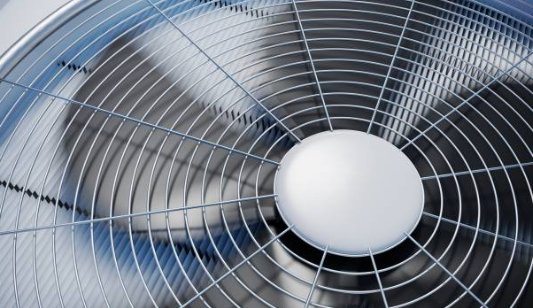
The blower is an electric fan that pushes air across the evaporator coil and into your ductwork. It’s what you hear running when your AC is on. The speed of this motor directly affects how much cooled air gets distributed through your home.
Many AC systems have a two-stage blower motor that runs at different speeds depending on demand. A faulty blower motor is one of the most common repairs. You’ll notice weak airflow or hear grinding noises from your air handler.
3. Air Filter
This is the part most people actually know about, though they often neglect it. The air filter traps dust, pollen, pet dander, and other debris before air reaches the evaporator coil. A clogged filter is the #1 cause of reduced cooling efficiency.
You should check your filter monthly during the cooling season and replace it every 30-90 days, depending on dust levels in your home and the type of filter. A dirty filter forces your blower motor to work harder and can cause your coil to freeze.
4. Ductwork
Ductwork is the network of sheet-metal or flexible tubing that carries the cooled air from your furnace or air handler to every room in your home, then pulls warm air back to start the cycle over. Leaky or poorly insulated ductwork lets cooled air escape into your attic or crawlspace before it ever reaches a vent, one of the most common causes of a house that never feels cool even though the AC runs constantly.
Common problems:
- Leaky joints or disconnected sections
- Poor insulation causing energy loss
- Uneven airflow between rooms
5. Furnace or Air Handler
This is the cabinet that houses the evaporator coil, blower motor, and air filter. In colder climates, it’s part of your furnace. In milder climates, it might just be an air handler. Either way, it’s the central hub for your indoor AC components.
6. Thermostat
The thermostat is your control center. It measures room temperature and tells the entire system when to turn on and off. Modern thermostats can be programmable or smart, allowing you to set schedules and control your AC from your phone.
A malfunctioning thermostat won’t properly cycle your system, leading to uneven cooling, short-cycling (running too frequently), or your AC not turning on at all.
Outdoor AC Unit Parts: What’s Outside Your House
The outdoor unit is where the heavy lifting happens. This is where heat is released and where the most expensive repairs occur. These components of an air conditioning system work together with the indoor parts to complete the cooling cycle.
1. Compressor
If the evaporator coil is where cooling happens, the compressor is the heart of the system. It’s a motorized pump that pressurizes the gaseous refrigerant, raising both its pressure and temperature. This high-pressure gas then moves to the condenser, where heat is released.
The compressor is the most expensive component in your AC system, often costing $1,000 to $2,500 to replace. It requires adequate refrigerant charge, clean airflow, and proper electrical current to function. Failure to maintain your system (keeping coils clean and changing filters, for example) puts extra strain on the compressor.
2. Condenser Coil
Located in the outdoor unit, the condenser coil receives the hot, pressurized refrigerant from the compressor. As refrigerant flows through the condenser’s metal tubes and fins, a fan pulls outdoor air through the coil, releasing the absorbed heat to the outdoor air. This process cools the refrigerant from a gas back into a liquid.
Dirty condenser coils are the most common outdoor AC problem. Debris such as leaves, grass clippings, and dirt blocks airflow, forcing your system to work harder to release heat.
3. Condenser Fan Motor
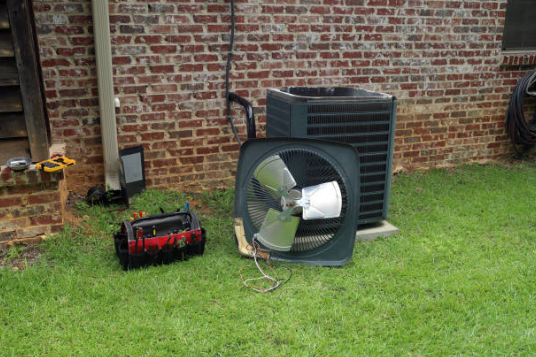
This fan pulls outdoor air through the condenser coils. It runs whenever the compressor is operating. The fan motor can fail due to age, electrical issues, or bearing wear. A failed fan motor means your system can’t release heat, and your AC will shut down to prevent damage.
4. Capacitor
The capacitor is a small electrical component that stores and releases a burst of energy to start the compressor and condenser fan motors. Motors can’t start on their own power; they need that initial jolt. A weak or failed capacitor is one of the single most common reasons an AC won’t start at all.
Common symptoms include the outdoor unit humming without the fan spinning, the system clicking and shutting off, or the compressor trying to start and tripping the breaker. Capacitors are inexpensive to replace, but they store an electrical charge even when the unit is powered off, so this is not a safe DIY repair.
5. Contactor
The contactor is an electrically controlled switch that turns the compressor and condenser fan on and off in response to signals from the thermostat. Contactor points wear down and pit with repeated use, especially after several cooling seasons. A worn contactor can cause the outdoor unit to fail to start, run intermittently, or stay stuck on even after the thermostat is satisfied, which drives up energy bills.
6. Expansion Valve
This small but critical component sits between the condenser and evaporator coil. Its job is to meter the flow of liquid refrigerant and reduce its pressure before it reaches the evaporator coil. Too much refrigerant flow causes the coil to freeze. Too little and you get weak cooling.
A failed expansion valve is tricky to diagnose, but it can cause uneven cooling, short cycling, or ice on the suction line.
7. Refrigerant Lines (Copper Tubing)
These insulated copper lines connect the indoor and outdoor units. One line carries high-pressure hot refrigerant from the compressor to the condenser (the discharge line), while another carries cooled, low-pressure refrigerant back to the evaporator coil (the suction line).
These lines must be properly sealed and insulated. Any leak in the refrigerant lines means you lose cooling capacity, and efficiency drops significantly.
8. Drain Pan and Drain Line
As your evaporator coil cools air, moisture condenses out, just like water beading up on a cold soda can. This condensation drains into a pan beneath the coil and then flows out through a drain line to the outside or a drain pipe. If this drain becomes blocked by algae, debris, or dust, water can back up and damage your system or cause mold in your home.
How All the Parts Work Together: The Complete Cycle
Understanding individual air conditioner parts and functions is useful, but you need to see how they work as a system:
- The thermostat senses your indoor temperature and triggers the compressor when cooling is needed
- The capacitor and contactor deliver the electrical signal that starts the compressor and condenser fan
- The compressor pumps refrigerant, raising its pressure and temperature
- The condenser (with its fan) releases that heat outside, turning the refrigerant into a liquid
- The expansion valve reduces pressure on the liquid refrigerant
- The evaporator coil (in your indoor unit) absorbs heat from your home’s air
- The blower motor pushes the cooled air through your ductwork and vents
- The air filter keeps debris out of the system
- The drain line carries away condensation
This cycle repeats continuously until your home reaches the target temperature, at which point the thermostat shuts everything down. On a hot day, this cycle might run for hours straight.
Each part depends on the others. A weak blower motor stresses the evaporator coil. A clogged filter stresses the compressor. A refrigerant leak stresses everything. That’s why regular maintenance, including cleaning filters, having the system inspected, and clearing condenser debris, is so valuable.
When Parts Fail: Signs It’s Time to Call a Pro
Knowing your parts’ names is one thing. Knowing when they’ve failed is another.
- If you hear grinding, squealing, or rattling from the outdoor unit, the compressor or fan motor is likely failing. Don’t ignore this. Continued operation can cause complete system failure.
- If your indoor unit isn’t distributing air, the blower motor may be weak, or the filter may be clogged. Check the filter first. If it’s clean and the airflow is still weak, the blower motor needs service.
- If your AC runs constantly but doesn’t cool your home, you might have a refrigerant leak, a failed thermostat, or a stuck expansion valve. This requires a professional diagnosis.
- If ice builds up on the suction line (the copper tube outside), your evaporator coil is likely frozen due to a dirty filter, a clogged drain, or a failed thermostat. Turn off the AC immediately. Running with a frozen coil can damage the compressor.
- If you notice water pooling near your indoor unit or in your crawlspace, your drain line is blocked. This can lead to mold growth and system damage if not addressed.
Many of these problems can be prevented. That’s why technicians always emphasize the same basics: change your air filter regularly, keep your outdoor condenser clear of debris, and schedule AC repair at the first sign of trouble rather than waiting for a full breakdown.
Keep Your AC Running: Regular Maintenance is the Best Investment
You now know what your air conditioner does and what all the pieces are called. The next step is keeping them healthy.
Regular maintenance costs $150 to $300 annually and can prevent repairs that cost ten times that much. A spring tune-up should include a filter change, cleaning the condenser coil, a blower motor inspection, a thermostat check, and refrigerant charge verification.
If you notice any of the warning signs mentioned above (strange noises, weak airflow, constant running, or pooling water), don’t wait. Early diagnosis and repair can save you money and keep your system running efficiently when you need it most. Contact a licensed HVAC professional for a thorough inspection and the right repair solution.
Frequently Asked Questions About Air Conditioner Parts
What are the main parts of an air conditioner?
The main air conditioner parts are the compressor, condenser coil, evaporator coil, expansion valve, and blower motor. The compressor and condenser handle the outdoor half of the cooling cycle; the evaporator coil and blower motor handle the indoor half, absorbing heat and distributing cooled air.
What is the most common part to fail on an AC unit?
Capacitors and condenser fan motors fail most often, especially during peak summer months when they run for hours at a stretch. A failing capacitor typically shows up as a compressor that hums but won’t start, or an outdoor fan that needs a manual nudge to spin.
What are the names of the AC parts, in the order they work?
In cycle order: thermostat, capacitor and contactor (which start the system), compressor, condenser coil, expansion valve, evaporator coil, blower motor, air filter, and drain line. Each part hands the refrigerant, or the cooled air, off to the next.
Can I replace air conditioner parts myself?
Air filters are safe for any homeowner to replace. Parts that involve refrigerant, high-voltage electrical components (capacitors, contactors, compressors), or warranty-covered equipment should go to a licensed technician. Refrigerant handling requires EPA certification, and a charged capacitor can deliver a serious shock even with the power off.