




A heat pump blowing warm air in the middle of summer can leave homeowners scratching their heads. The thermostat is set to cool, the system appears to be running normally, yet the house keeps getting warmer instead of cooler. Few HVAC problems are more frustrating because everything looks correct on the surface while the system does the exact opposite of what it should.
In some cases, the solution is surprisingly simple, such as an incorrect thermostat setting or a control issue. In others, the problem can be traced to a failing reversing valve, a component that controls whether the heat pump operates in heating or cooling mode. Replacing a reversing valve can cost $400 to $700, making an accurate diagnosis before any repairs begin important.
A heat pump that switches into heat mode during summer usually leaves behind a few telltale clues. In this guide, we’ll walk through the most common causes, the signs to watch for, and the troubleshooting steps that can help determine whether the fix is quick or requires professional repair.
Key Takeaways
- A heat pump heating in summer usually points to a thermostat setting, a stuck reversing valve, or a wiring fault.
- The reversing valve controls refrigerant flow, so a stuck valve makes the system heat when it should cool.
- Check the thermostat mode and O or B setting first, since a simple glitch causes many cases.
- Warm air with normal thermostat settings often signals a control board, sensor, or refrigerant problem.
- Seasonal heat pump maintenance catches valve, sensor, and refrigerant issues before they leave you sweating.
Why Does a Heat Pump Randomly Switch to Heat Mode in Summer?
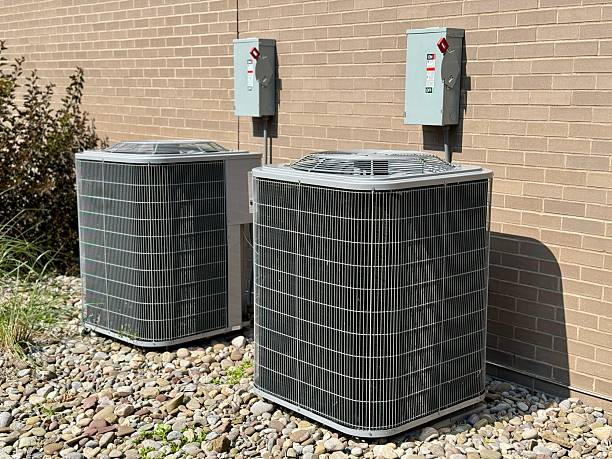
A heat pump randomly switches to heat mode in summer when something disrupts the signal that tells it to cool. The usual triggers are a thermostat set to the wrong mode, a stuck or failing reversing valve, or a wiring or control board fault sending the wrong command. The reversing valve decides whether refrigerant flows for heating or cooling, so when it sticks or receives a bad signal, the system heats instead of cools.
That single component explains why the problem feels so backward. Your thermostat can read cool all day, but if the valve does not shift or the signal never reaches it, the refrigerant keeps flowing the wrong direction.
How a Heat Pump Decides Between Heating and Cooling
A heat pump cools and heats with the same equipment by changing the direction its refrigerant flows. In summer it pulls heat out of your home and dumps it outside, just like a central air conditioner. In winter it runs the cycle in reverse to bring heat indoors. The part that flips this direction is the reversing valve.
The reversing valve is a small brass component at the outdoor unit, connected to the refrigerant lines and controlled by a signal from your thermostat. When everything works, the valve sits in the cooling position all summer.
When it sticks, loses its signal, or gets the wrong command, your heat pump can blow warm air with the thermostat still set to cool. Most modern heat pump systems rely on this valve and a network of sensors, which is why a single weak link can flip the whole system.
Common Reasons Your Heat Pump Switches to Heat in Summer
Most summer heating problems trace back to a handful of causes. Some you can rule out in minutes, while others need a technician and the right tools. Working through them in order helps you understand what is happening before anyone opens up the unit.
The Thermostat Is Set to the Wrong Mode
The simplest cause is also the most common. A bumped setting, a wrong O or B reversing valve configuration, or a smart thermostat stuck in auto changeover can all put the system in heat. Confirm the mode reads cool and the target temperature sits below the current room temperature before assuming anything is broken.
A Stuck or Failing Reversing Valve
When the valve jams in the heating position or only shifts part way, your heat pump keeps heating no matter what the thermostat says. Trane notes this is uncommon but real, and it requires a professional, since a wrong move can damage the valve and cause a refrigerant leak. A stuck valve is one of the top mechanical reasons for summer heating.
Thermostat Wiring or Control Board Faults
Faulty wiring, a loose connection, or a malfunctioning control board can send the wrong signal to the reversing valve. Older Canton homes with aging low voltage wiring are especially prone to this. The thermostat looks fine on the wall while the message reaching the outdoor unit is scrambled.
A Defrost Cycle Misfire
Heat pumps run a defrost cycle in winter to clear frost from the outdoor coil, which briefly sends warm air indoors. If a failing defrost control board or temperature sensor triggers that cycle in July, you feel heat when you should feel cooling. This points to an electronic fault rather than a setting.
Low Refrigerant
Refrigerant carries heat through the system, and a leak that drops the charge can confuse how the heat pump cycles. Beyond making the home warm, low refrigerant strains the compressor over time. A technician has to find the leak, repair it, and recharge the system to the correct level.
A Dirty Outdoor Unit or Failed Sensor
A blocked, dirty, or damaged outdoor unit cannot release heat properly, which throws off how the system runs. A failed sensor can likewise feed the control board bad data and trigger the wrong mode. Keeping the outdoor unit clean and clear rules this out and helps the whole system breathe.
What You Can Check Before Calling for Service
A few safe checks can save you a service call when the cause is minor. Start at the thermostat, since that solves a surprising share of cases, then move outward to the easy physical checks.
- Confirm the thermostat mode. Set it to Cool, drop the temperature several degrees below the room reading, and listen for the outdoor unit to start. Watch for a few minutes to see if cool air returns.
- Check the O or B setting on a smart thermostat. Heat pumps use an O or B wire to control the reversing valve, and a wrong setting after a battery change or reset can flip heating and cooling. Reset it to your manufacturer’s recommendation if you are comfortable doing so.
- Restart the system. Turn the thermostat off, wait a few minutes, then set it back to Cool. A brief reset can clear a stuck signal, especially after a power surge.
- Replace a dirty air filter. A clogged filter causes a range of problems, so swap it if it looks dirty. Trane recommends changing standard filters every 30 to 90 days.
- Clear the outdoor unit. Remove leaves, grass, and debris and make sure nothing blocks airflow around the cabinet.
If the system still heats with the thermostat set to cool, stop there. Reversing valves, refrigerant, and control boards are not safe to troubleshoot at home.
When to Call an HVAC Professional
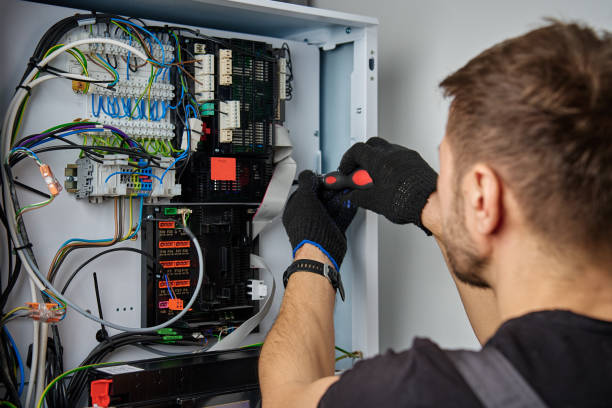
Call a professional when the basic checks do not fix it, because the remaining causes involve refrigerant, electrical components, and the sealed system.
Reach out if your heat pump keeps heating after you confirm the thermostat is set to cool, if you hear strange noises from the outdoor unit, if cooling comes and goes at random, or if you notice ice, hissing, or a sharp rise in your energy bills. These point to a stuck reversing valve, a refrigerant leak, or a control fault that needs proper diagnostic tools.
The team at Green Energy AC Heating & Plumbing Repair has served Canton and Norfolk County since 2008 with NATE certified technicians and a BBB A plus rating.
We test the reversing valve, check the thermostat wiring and control board, measure the refrigerant charge, and confirm your heat pump cools the way it should. If your system needs hands-on attention, contact us for heat pump repair in Canton, MA, to get to the real cause instead of masking the symptom.
A Canton Homeowner Thought Their Heat Pump Was Broken
Last summer, a Canton homeowner called after noticing something strange. The thermostat was set to 72 degrees and showed the system was cooling, but warm air kept coming from the vents every afternoon. At first, they assumed the heat pump had reached the end of its life and were worried about replacing the entire system.
When a technician inspected the unit, the problem turned out to be much smaller. A thermostat setting had been changed during a recent power interruption, causing the reversing valve to receive the wrong signal. After correcting the setting and testing the system, the heat pump immediately returned to normal cooling operation.
Not every case is that simple. Similar symptoms can also be caused by a stuck reversing valve, faulty wiring, low refrigerant, or a failing control board. That is why it is important to diagnose the source of the problem rather than assuming the equipment itself has failed.
How to Keep Your Heat Pump From Switching Modes on Its Own
Steady upkeep prevents most of these summer surprises. Change your filters on schedule, keep the outdoor unit clear of plants and debris, and replace your thermostat batteries before they die and scramble the settings. If you use a smart thermostat, confirm the O or B setting after any reset so the reversing valve always gets the right command.
The most reliable safeguard is a seasonal tune up. Trane recommends servicing a heat pump every spring and every fall, since the same system works year round and small faults in the valve, sensors, or refrigerant charge tend to surface under heavy load. A spring visit for heat pump maintenance checks the reversing valve, tests the controls, and verifies the charge so the system is ready before the first heat wave.
Getting Cool Air Back When Your Heat Pump Keeps Heating
A heat pump randomly switching to heat mode in summer almost always comes down to one of two things: a quick thermostat or setting fix, or a deeper fault in the reversing valve, wiring, or refrigerant system. Start at the thermostat, run the simple checks, and clear the outdoor unit. If warm air keeps coming with the system set to cool, that is your signal the problem is mechanical or electrical and needs a trained eye.
Do not sweat through a Canton summer waiting for it to sort itself out. Call Green Energy AC Heating & Plumbing Repair at 781-236-3421 and we will diagnose why your heat pump keeps heating, fix the true cause, and get steady cooling back in your home.
FAQ
Why is my heat pump blowing hot air when set to cool?
Your heat pump is likely heating because of a stuck reversing valve, a wrong thermostat setting, or a wiring fault sending the wrong signal. Check that the thermostat reads cool first, then call a professional if warm air continues, since the deeper causes need diagnosis.
Can a thermostat cause a heat pump to switch to heat mode?
Yes. A wrong mode setting, an incorrect O or B reversing valve configuration, faulty wiring, or a glitch after a power surge can all make the thermostat tell the heat pump to heat. Resetting the thermostat or correcting the O or B setting often resolves it.
How much does it cost to fix a stuck reversing valve?
Replacing a heat pump reversing valve averages $400 to $700, according to Trane, though your cost varies by location, system, and labor rates. A technician can sometimes free a temporarily stuck valve for less, so a proper diagnosis comes before any replacement decision.
Is it bad to run a heat pump that keeps switching to heat in summer?
Yes. Running a heat pump that heats when it should cool wastes energy, strains the compressor, and leaves your home uncomfortable. If the cause is low refrigerant or a failing valve, continued operation can lead to bigger and more expensive damage, so address it promptly.
Why does my heat pump switch modes randomly?
Random mode switching usually signals an electronic or signal problem, such as a failing control board, a faulty sensor, loose thermostat wiring, or a defrost cycle misfire. Because the trigger is intermittent, a technician needs diagnostic tools to catch the fault and confirm the repair.