




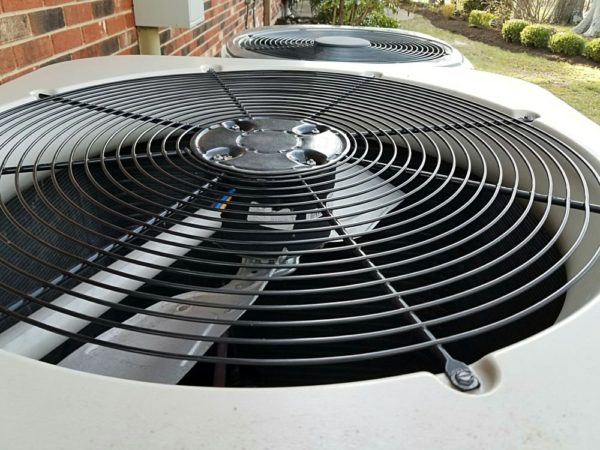
You set the thermostat to 70, the system is running, and the air drifting out of the vents is warm. On a hot Canton day, that is the last thing you want. Before you panic about a full replacement, take a breath. An AC blowing hot air is usually a sign of one specific, fixable problem, and some of the causes you can sort out in five minutes. Even something as simple as a dirty filter can choke airflow enough to stall cooling, and the U.S. Department of Energy notes a clean filter can cut your AC’s energy use by 5 to 15 percent.
In this guide, you’ll learn the most common reasons an AC blows hot air, which problems you may be able to fix yourself, and when it is time to call an HVAC professional to prevent further damage.
Key Takeaways
- The most common reasons an AC blows hot air are thermostat settings, a dirty filter, and low refrigerant.
- Check that your thermostat is set to cool and auto before assuming the worst.
- A dirty filter or blocked outdoor unit can choke airflow and stop the cooling.
- Low refrigerant from a leak is a common cause that requires a licensed technician.
- A tripped breaker can leave the indoor fan running while the compressor sits idle.
Why Is Your AC Blowing Hot Air?
Your AC is most often blowing hot air because of a thermostat set to the wrong mode, a dirty air filter choking airflow, low refrigerant from a leak, or a dirty or powerless outdoor unit. Start by checking the thermostat, since the fix is sometimes as simple as switching it from heat to cool and from fan to auto.

If the thermostat checks out, the cause sits somewhere in the system, and the right fix depends on which part is failing. Some reasons are a five minute do it yourself job, while others involve refrigerant or electrical components that call for a professional. The list below walks through each one so you can tell which situation you are in.
Possible Reasons Why Your AC Is Blowing Hot Air
Warm air from your vents points to one of a handful of usual suspects. Here they are, from the simplest to the most serious.
1. The Thermostat Is Set Wrong
This is the first thing to rule out, and the most common easy fix. If the fan is set to ON instead of AUTO, it keeps blowing air even when the system is not actively cooling, so you feel room temperature air between cycles. A thermostat accidentally switched to heat does the same. Set it to cool and auto, then drop the temperature a few degrees and listen for the outdoor unit to kick on.
2. A Dirty Air Filter
A clogged filter is a frequent and overlooked cause. When the filter is packed with dust, it chokes the airflow across the evaporator coil, which can cause the coil to ice over and stop cooling the air entirely. Checking and changing your filter every one to three months is the single easiest way to prevent this.
3. Low Refrigerant or a Leak
Refrigerant is the fluid that actually removes heat from your home’s air. When a leak lowers the charge, the system loses its ability to cool, and the air coming out turns warm. This is not a do it yourself fix. Refrigerant must be handled by a licensed technician, who finds the leak, repairs it, and recharges the system to the correct level.
4. A Dirty or Blocked Outdoor Unit
The outdoor condenser releases the heat your system pulls from inside. When its coil is caked with dirt, grass, and debris, or plants crowd it too closely, it cannot shed that heat, and your indoor air stays warm. Clearing two feet of space around the unit and gently rinsing the coil restores its ability to do its job.
5. A Tripped Breaker or Lost Power to the Condenser
Your indoor and outdoor units often run on separate circuits. If the breaker to the outdoor unit trips, the indoor blower keeps running and pushing air, but the compressor outside is off, so that air never gets cooled. Check your breaker panel and the disconnect near the outdoor unit, and reset a tripped breaker once. If it trips again, that points to an electrical problem for a pro.
6. A Frozen Evaporator Coil
When airflow drops or refrigerant runs low, the evaporator coil can freeze into a block of ice, which stops it from cooling and leaves you with warm air. If you open the indoor unit and see ice, turn the system off and let it thaw fully before running it again, then address the airflow or refrigerant issue behind the freeze.
7. Leaky or Disconnected Ductwork
Sometimes the air starts out cold and warms up on the way to your vents. Ducts that run through a hot attic and have leaks or disconnected sections pull in warm air and lose cooled air before it reaches your rooms. Sealing or repairing the ductwork restores the cool air your system is actually producing.
What You Can Check Yourself First
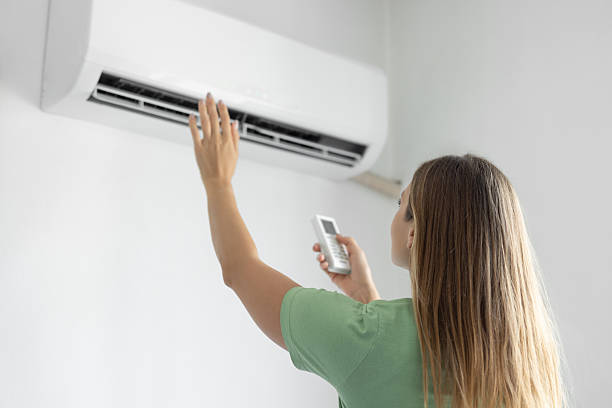
Before calling anyone, run through the quick checks that solve a surprising number of warm air complaints. Confirm the thermostat is set to cool and auto, and lower the temperature a few degrees. Replace the air filter if it looks dirty. Walk out to the breaker panel and reset the breaker for the AC if it has tripped. Finally, look at the outdoor unit and clear away any leaves, grass, or debris choking it.
If none of those bring back the cold air, the cause is likely refrigerant, electrical, or a failing component, and that is the point to bring in a professional rather than keep guessing. Running a struggling system in hot weather only risks more damage.
A Real Canton AC Story
Last July, a homeowner on Neponset Street in Canton called Green Energy AC Heating & Plumbing Repair because their AC had started blowing warm air during a heat wave, even though the thermostat was set correctly and the filter was clean.
Our technician measured the system and found the refrigerant charge running low, traced to a small leak at a line fitting. The system was working hard but had lost the refrigerant it needed to actually cool the air. We repaired the leak, recharged the system to the proper level, and tested it under load until cold air was flowing again that afternoon. Catching the leak when we did spared the compressor from the strain of running low, which would have led to a far bigger repair.
It is a common midsummer call. The simple checks had all passed, which pointed straight to a refrigerant problem that only a technician could diagnose and fix.
When to Call a Professional for AC Repair
Some causes of warm air are yours to fix, like a thermostat setting or a dirty filter. Others are not safe or practical to tackle alone. Call a professional when you suspect low refrigerant, when the breaker keeps tripping, when the coil freezes repeatedly, or when the simple checks do not restore cooling. These point to refrigerant, electrical, or compressor issues that need proper tools and training.
Green Energy AC Heating & Plumbing Repair has been a family owned and operated HVAC company since 2008, and we are a BBB accredited business with an A+ rating. Our certified technicians provide fast, reliable AC repair for Canton and the surrounding area, diagnosing the real cause of warm air and getting your home cool again. Acting quickly also protects the compressor, the most expensive part of your system, from the damage that running warm can cause.
Getting Cool Air Back in Your Canton Home
An AC blowing hot air almost always traces back to a clear cause: a thermostat set wrong, a dirty filter, low refrigerant, a blocked outdoor unit, a tripped breaker, a frozen coil, or leaky ducts. Work through the simple checks first, and you may fix it yourself in minutes. When the cause runs deeper, a technician sorts it out fast. The best defense is staying ahead of it with regular AC maintenance, which catches dirty coils, weak refrigerant, and worn parts before they leave you sweating.
If your AC is still blowing warm after the basic checks, do not wait it out in the heat. Call Green Energy AC Heating & Plumbing Repair at 781-236-3421 or reach out online to get your cooling diagnosed and restored. A quick visit now is far easier than a hot night with no relief.
FAQ
Why is my AC running but blowing warm air?
If the AC runs but blows warm air, the most likely causes are a thermostat set to the wrong mode, a dirty filter choking airflow, low refrigerant from a leak, a dirty outdoor unit, or a tripped breaker that left the compressor off while the fan keeps running.
Can a dirty air filter make my AC blow hot air?
Yes. A clogged filter restricts the airflow across the evaporator coil, which can cause the coil to freeze and stop cooling the air entirely. Changing the filter every one to three months prevents this common and easily avoidable cause of warm air.
Why does my AC blow cold then hot?
Air that starts cold then turns warm often points to a freezing evaporator coil, low refrigerant, or leaky ductwork pulling in hot attic air. The system cools at first, then loses capacity as ice builds or refrigerant runs short. A technician can pinpoint which it is.
Is low refrigerant something I can fix myself?
No. Refrigerant is regulated and must be handled by a licensed technician. Simply adding more without finding the leak only buys a short time before the air turns warm again. A professional locates the leak, repairs it, and recharges the system correctly.
Should I turn off my AC if it is blowing hot air?
If the basic checks do not fix it, yes, turning it off prevents extra strain on the compressor and stops a frozen coil from getting worse. Running a struggling system in the heat risks turning a small repair into a major one.