




You are staring at the filter aisle, or a product page, and HEPA sounds like the obvious winner. It captures 99.97 percent of particles as small as 0.3 microns, which beats any MERV filter on paper. So why does almost no home HVAC system actually use one? Here is the part the marketing leaves out: the best filter on paper can be the worst choice for your equipment. Picking between HEPA and MERV filters comes down to what your system can handle, not just what captures the most.
In this blog, you’ll learn the differences between HEPA and MERV filters, how each one affects airflow and indoor air quality, and which option makes the most sense for your HVAC system and your home’s specific needs.
Key Takeaways
- For most home HVAC systems, a MERV filter rated 8 to 13 is the best choice, not a true HEPA filter.
- HEPA filters capture 99.97 percent of fine particles but are too dense for standard residential systems.
- A true HEPA filter can restrict airflow enough to strain or damage your blower.
- MERV 13 offers strong filtration for allergies and pets while most modern systems still breathe freely.
- For HEPA level air, use a portable purifier or a professionally installed whole house system.
What MERV Filters Are
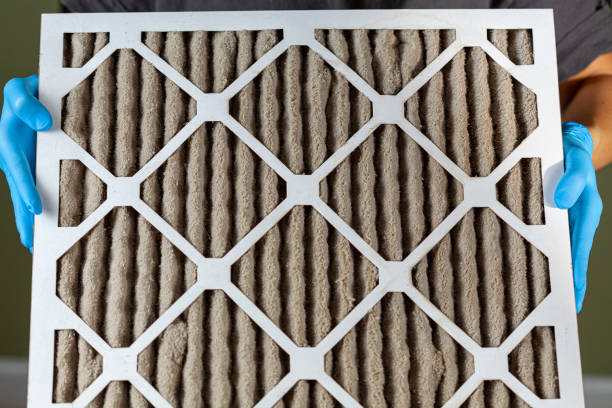
MERV stands for Minimum Efficiency Reporting Value, and it is the rating system used for almost every filter that slides into a home HVAC system. According to the EPA, MERV ratings measure a filter’s ability to capture particles between 0.3 and 10 microns. The scale for residential filters runs from 1 to 16, and the higher the number, the finer the particles the filter traps.
Here is the part that matters. A higher MERV rating filters more, but it also packs the material more densely, which makes it harder for air to pass through. Most homes land in a sweet spot of MERV 8 to 13. A MERV 8 catches dust and pollen, a MERV 11 adds finer particles and pet dander, and a MERV 13 captures even smaller particles, including many that carry allergens and smoke.
What HEPA Filters Are
HEPA stands for High Efficiency Particulate Air, and it is a different class of filtration altogether. A true HEPA filter removes 99.97 percent of particles at 0.3 microns, which puts it on par with a MERV 17 to 20 rating, well beyond what residential filters reach. That is the level used in hospitals, cleanrooms, and labs where near total particle removal is the goal.
To hit that performance, a HEPA filter is extremely dense. All that filtering power comes from packing the fibers tightly, and that density is exactly what makes HEPA a poor fit for a standard home system. The filter does its job beautifully, but only if air can get through it, and in most home setups it cannot without a fight.
HEPA or MERV: Which Is Best for Your HVAC System?
For the vast majority of homes, a MERV filter is the best choice for your HVAC system, with MERV 13 being the highest most modern systems handle well. A true HEPA filter is not designed to drop into a standard furnace or air handler, and forcing one in usually creates more problems than it solves. The right answer is matching the filter to what your equipment can move air through.
The Airflow Problem With Putting HEPA in Home HVAC
Your HVAC system was engineered to pull air through a filter of a certain resistance. A true HEPA filter is so dense that it chokes that airflow, and the blower has to work much harder to pull air through it. That strain can overheat the blower motor, freeze the coil, raise your energy bills, and shorten the life of the system. In short, a filter meant to clean your air can end up damaging the equipment that moves it.
When a MERV Filter Is the Right Choice
A MERV filter is the right choice for nearly every standard home. It gives you real filtration while letting your system breathe the way it was built to. For a typical household, a MERV 11 handles dust, pollen, and pet dander well. If anyone in the home has allergies or asthma, a MERV 13 steps up the filtration while still working in most modern systems, which is why it is the rating we most often recommend.
When HEPA Makes Sense
HEPA still has its place, just not jammed into your filter slot. For HEPA level air, the smart options are a portable HEPA air purifier in the rooms you use most, or a whole house HEPA system installed by a professional on a separate bypass that does not restrict your main airflow. Both deliver the filtration without straining your HVAC equipment.
How to Choose the Right MERV Rating for Your Home
Choosing a MERV rating is about balance, not simply picking the highest number. Start with your household. A home with no pets and no allergy concerns does fine with a MERV 8 to 11, while a home with pets, allergies, or asthma benefits from a MERV 13.
Then check what your system can handle, because this is the step people skip. Your system has a limit to the filter resistance it can manage, and your owner’s manual or a technician can tell you what that is. Pushing past it trades a little cleaner air for a strained system and higher bills. The goal is the highest filtration your equipment can comfortably pull air through, changed on a regular schedule so it never clogs and makes the resistance worse.
A Real Canton Filter Story
Last spring, a homeowner on Washington Street in Canton called Green Energy AC Heating & Plumbing Repair because their AC had started freezing up and their energy bill had jumped. They were dealing with bad seasonal allergies and had bought the densest, highest rated filter they could find, hoping for the cleanest possible air.
Our technician found the issue quickly. The ultra dense filter was choking the system’s airflow, which had iced over the coil and forced the blower to overwork. We explained the airflow tradeoff, fitted a MERV 13 filter that gave them strong allergy filtration without strangling the system, and recommended a portable HEPA purifier for the bedroom where allergies bothered them most. The freezing stopped, the bills came back down, and the air still felt noticeably cleaner.
It is one of the most common filter mistakes we see. The intention was right, but the wrong filter turned a comfort upgrade into a repair call.
When to Call a Professional About Your Air Filter
You can change a filter yourself, but choosing the right one for your specific system is where a professional saves you money and trouble. A technician knows the resistance your equipment can handle, the filter size and rating that fits, and whether a separate air purifier makes more sense for your goals than chasing a higher MERV.
That guidance matters, especially if anyone in your home has allergies or asthma. Green Energy AC Heating & Plumbing Repair has been a family owned and operated HVAC company since 2008, and we are a BBB accredited business with an A+ rating. Our certified technicians handle air filter selection and installation for Canton and the surrounding area, matching the right filtration to your system so you get cleaner air without sacrificing performance.
Choosing the Best Filter for Your HVAC System
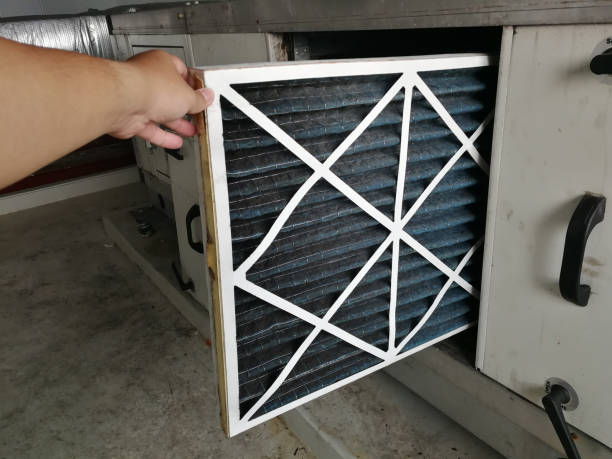
The honest answer to HEPA or MERV is that for your home’s HVAC system, a MERV filter wins, usually a MERV 11 or 13 matched to your household and your equipment. HEPA is excellent technology, but its place is in a portable purifier or a dedicated whole house unit, not crammed into a filter slot where it starves your system of air. Match the filter to what your equipment can handle, and you get clean air and a healthy system both.
If you are not sure what rating your system can take, or you want HEPA level air done the right way, let the pros sort it out. Call Green Energy AC Heating & Plumbing Repair at 781-236-3421 or reach out online to get the right filter matched to your home. Cleaner air should never cost you your HVAC system.
FAQ
Is a HEPA filter better than a MERV filter?
A HEPA filter captures more particles, removing 99.97 percent at 0.3 microns versus a MERV filter’s lower range. But better filtration is not better for your system if it blocks airflow. For most home HVAC systems, a MERV 11 or 13 is the better practical choice.
Can I put a HEPA filter in my home HVAC system?
Usually not without modifications. A true HEPA filter is so dense it restricts the airflow a standard system needs, which can strain the blower and freeze the coil. For HEPA level filtration, use a portable purifier or a professionally installed whole house bypass system.
What MERV rating is best for a home?
For most homes, MERV 11 to 13 is the sweet spot. MERV 11 handles dust, pollen, and pet dander, while MERV 13 adds finer particles for allergy and asthma sufferers. Always confirm your system can handle the rating before going higher.
Will a higher MERV filter damage my HVAC system?
It can if it exceeds what your system is built to handle. A filter that is too dense restricts airflow, forcing the blower to overwork, which raises energy bills and can cause the coil to freeze. Match the MERV rating to your equipment’s limits.
How often should I change my MERV filter?
Most one inch MERV filters last one to three months, while thicker filters can go six to twelve months. Higher MERV filters clog faster, so check them monthly during heavy use. A clogged filter restricts airflow as much as an oversized one.