




You bought the EV to stop paying at the pump. Then the first full electric bill shows up and you start wondering whether you just moved the cost, not cut it. Fair question, and the answer is better than the bill makes it look. Charging an EV at home in Massachusetts costs real money because our electricity rates are high, but it still runs far cheaper per mile than gas, and a few setup choices decide whether you pay the high end or the low end.
In this blog, you’ll learn what it actually costs to charge an EV at home in Massachusetts, why Canton drivers pay a bit more per charge than the national numbers suggest, what drives your monthly total up or down, and the rebates and off-peak tricks that quietly cut the bill. You’ll also see what the charger itself costs to install here.
Key Takeaways
- Charging an EV at home in Massachusetts costs roughly $17 to $20 per full charge.
- Massachusetts electricity rates run about 56% above the national average per kWh.
- Home charging still costs far less per mile than a comparable gas car.
- Off-peak charging and utility rebates can noticeably lower your monthly cost.
- A Level 2 charger install in Canton requires a permit and licensed electrician.
How Much Does It Cost to Charge an EV at Home in Massachusetts?
Charging an EV at home in Massachusetts costs roughly $17 to $20 for a full charge of a typical 60 kWh battery, which works out to about $60 to $90 a month for an average driver. That range is the direct answer, and it lands higher than most national guides quote because those numbers assume cheaper electricity than we pay here.
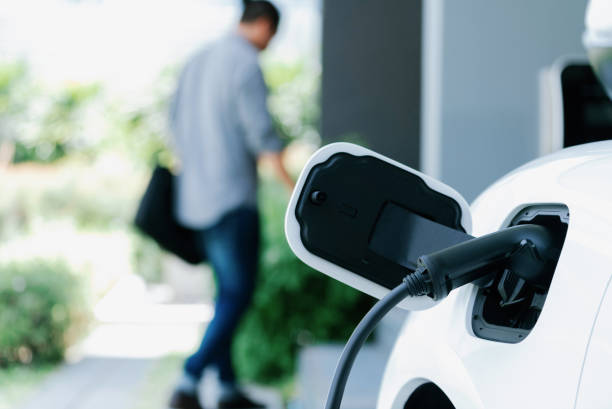
The math is straightforward. A typical EV battery holds 60 to 75 kWh, and a full charge at the U.S. average rate of about 18 cents per kWh runs around $11 nationally. Run that same 60 kWh charge at Massachusetts rates near 29 cents per kWh and the number climbs closer to $17 to $20 once you account for the small energy loss that happens during charging.
Here is roughly how that plays out for a Canton driver:
| What you’re paying for | Estimate at MA rates |
| Cost per kWh | ~$0.29 |
| Full charge (60 kWh battery) | ~$17 to $20 |
| Cost per mile | ~$0.07 to $0.09 |
| Typical monthly charging (about 1,000 miles) | ~$60 to $90 |
These are estimates, not a quote for your car, since battery size and driving habits vary. The pattern holds regardless: you pay a premium per kilowatt-hour here, but the per-mile cost still beats gas by a wide margin.
Why Massachusetts EV Charging Costs More Per Charge
Massachusetts has some of the highest electricity rates in the country, and that single fact explains why your charge costs more than the national average. Residential electricity in the state averages around 28.82 cents per kWh, roughly 56% above the U.S. average of about 18.44 cents, according to U.S. Energy Information Administration data. Every kilowatt-hour you push into the battery carries that premium.
What that means for a Canton driver is simple to picture. The exact same EV, charged in a lower-rate state, might cost a third less to run. You cannot change the rate, so the savings come from how and when you charge, not from the car itself.
There is a seasonal wrinkle too. Cold Massachusetts winters reduce EV range and efficiency, so a car that gets four miles per kWh in summer might drop closer to three in January. That means more kilowatt-hours to cover the same miles during the coldest months, which nudges your winter charging cost up. Planning around that reality keeps the surprise out of your January bill.
The practical angle is that Canton drivers get the most value by making every kilowatt-hour as cheap as possible, which is exactly where off-peak rates and rebates come in later.
What Actually Determines Your Home Charging Cost
Four things decide whether your monthly charging bill sits at $60 or $100, and most are within your control. Understanding them puts the number in your hands.
Battery size and how much you drive set the baseline. A 60 kWh commuter car sipping 800 miles a month costs far less to charge than a 130 kWh electric truck towing on weekends. Your mileage is the single biggest lever on the monthly total.
Vehicle efficiency, measured in miles per kWh, is next. A car that returns four miles per kWh needs 25% fewer kilowatt-hours than one returning three for the same trip. Over a year at Massachusetts rates, that efficiency gap turns into real dollars.
The third factor is when you charge. Some utility plans price electricity lower during off-peak overnight hours, and an EV charging while you sleep is the ideal candidate for those rates. Shifting your charging to overnight can cut the per-kWh cost meaningfully without changing anything else.
The fourth is charging losses and equipment. No charger is 100% efficient, so you pay for a little more electricity than lands in the battery, and a slow Level 1 trickle charge from a standard outlet wastes more to overhead than a proper 240-volt Level 2 setup. That efficiency is one reason most Canton EV owners move to a Level 2 charger, which we cover below.
Home Charging vs. Gas: The Canton Comparison
Home charging wins on cost per mile even at Massachusetts electricity rates, and it is not close. Running an EV at home costs roughly $0.07 to $0.09 per mile here, while a comparable gas car typically runs $0.12 to $0.15 per mile, based on standard industry cost comparisons. The high local electricity rate narrows the gap, but it does not erase it.
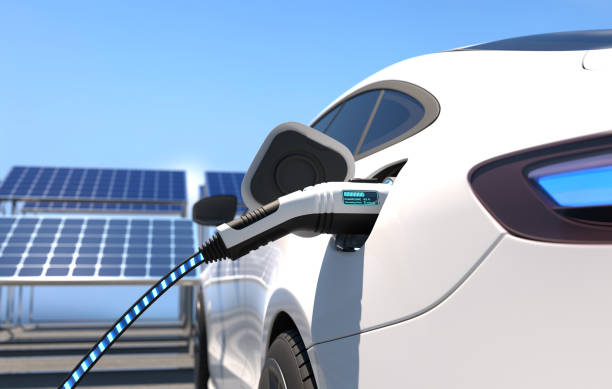
Put that in annual terms for a Canton driver covering 12,000 miles a year. At around $0.08 per mile, home charging costs roughly $960 for the year. A gas car at $0.13 per mile costs about $1,560 for the same miles. That is a difference of roughly $600 a year, kept in your pocket, even paying premium Massachusetts rates.
Public fast charging changes that math. DC fast chargers cost more per kWh than home charging, so leaning on them regularly erodes your savings. Home charging is where the real value lives, which is why getting your home setup right matters more here than in a cheap-electricity state.
What the Charger Itself Costs to Install in Canton
Beyond the electricity, there is the one-time cost of the charging equipment, and for most Canton EV owners that means a Level 2 charger. A Level 2 unit charges several times faster than a standard wall outlet and runs on a dedicated 240-volt circuit, the same type an electric dryer uses. The charger hardware plus professional installation is a real line item, though rebates offset a good chunk of it.
Installation is not a plug-and-play job, and in Massachusetts it is regulated work. Adding a 240-volt circuit requires an electrical permit and a licensed electrician, with the work inspected locally by the town’s wiring inspector before it is energized. In Canton, that permit runs through the building department, and the inspection protects you by confirming the circuit, breaker, and wiring are sized correctly for continuous EV load. Skipping the permit is exactly the kind of shortcut that surfaces as a problem during a home sale.
The size of the job depends on your panel. If your electrical panel has spare capacity and sits near the parking spot, the install is quick and cheap. If the panel is full or far away, you may need a subpanel or an upgrade, which adds cost. A proper assessment before you buy the charger saves money and headaches, which is where professional EV charger installation and repair earns its keep by getting the circuit, permit, and rebate paperwork right the first time.
Rebates That Lower Your EV Charging Costs in Canton
Massachusetts offers some of the strongest EV incentives in the country, and they cut both the charger cost and, indirectly, your running cost by pushing you toward efficient Level 2 charging. Two layers are worth knowing before you install anything.
The first is the charger and wiring rebate from your electric utility. Across Massachusetts, utilities offer Level 2 charger rebates that commonly range from $100 to $750, and several also cover the electrical work behind the charger. Eversource, for example, offers up to $1,400 toward the wiring or panel upgrade needed for a 240-volt charger, plus an added incentive toward the charger itself for customers on qualifying rate plans. Check your specific utility’s EV program, since the exact amount depends on which company serves your address.
The second layer is the state vehicle rebate. Through MassCEC, the MOR-EV program provides rebates toward the purchase of a qualifying electric vehicle, with the current rebates and eligibility listed on the official MassCEC EV rebates page. That rebate lowers the cost of getting into the car in the first place, which pairs naturally with the charging savings.
There is also the timing angle. Some utilities run managed-charging or off-peak programs that reward you for charging overnight, and pairing one of those with a Level 2 charger is the cheapest way to fuel an EV in Canton. The panel-upgrade rebates available through Mass Save can help when a charger install requires broader electrical work. Stacked together, these programs turn a pricey electricity rate into a manageable monthly number.
How to Cut Your EV Charging Costs in Canton
The high electricity rate sets your starting point, but a handful of habits pull the monthly number down without changing how you drive. Each one chips away at the same lever: cost per kilowatt-hour, or kilowatt-hours used.
Charge overnight whenever you can. If your utility offers a time-of-use or off-peak EV rate, the hours while you sleep are the cheapest electricity you will buy all day. A Level 2 charger on a timer that starts after peak hours end does this automatically, so you never think about it after setup.
Precondition the battery while still plugged in during winter. Warming the cabin and battery on grid power before you unplug, rather than pulling that energy from the battery on the road, protects range in the cold months and trims the kilowatt-hours you replace later.
Keep the charge in the efficient band. Routinely charging to 100% and running to near empty is harder on the battery and slightly less efficient than staying in the middle for daily driving. Setting a daily charge limit around 80% covers most commutes and keeps the system working efficiently.
Pair charging with home efficiency. An EV adds a meaningful load to your panel, so if you are already tightening up the house, doing it alongside a charger install makes the whole electrical picture more efficient. A licensed pro can flag whether your panel needs attention before it becomes a limit on how you charge.
None of these require sacrifice. They just make sure the electricity you buy at Massachusetts rates goes as far as it possibly can.
Getting Your Canton EV Charging Setup Right
The cost to charge an EV at home in Massachusetts comes down to two numbers: what you pay per kilowatt-hour and how many you use. The rate is high here, around 29 cents, so a full charge runs $17 to $20 and a month of driving lands near $60 to $90. Even so, home charging beats gas by roughly $600 a year for a typical Canton driver, and off-peak rates plus utility rebates push the advantage further. The setup you choose, an efficient Level 2 charger on a properly permitted circuit, is what unlocks the low end of that range.
The smart first move is to have your panel and parking spot assessed before you buy a charger, so you know your real install cost and which rebates you qualify for. Green Energy AC Heating & Plumbing Repair installs and services Level 2 EV chargers across Canton, handles the electrical permit and inspection, and helps homeowners line up the available utility rebates. Call Green Energy AC Heating & Plumbing Repair at 781-236-3421, or reach out to book an EV charger assessment for your home.
FAQ
How much does it cost to charge an EV at home in Massachusetts?
Roughly $17 to $20 for a full charge of a typical 60 kWh battery, or about $60 to $90 a month for an average driver. The figure is higher than national estimates because Massachusetts electricity rates average around 28.82 cents per kWh, well above the U.S. average. Off-peak charging can bring it down.
Is charging an EV at home cheaper than buying gas?
Yes, clearly. Home charging in Massachusetts costs roughly $0.07 to $0.09 per mile, while a comparable gas car runs $0.12 to $0.15 per mile. For a Canton driver covering 12,000 miles a year, that is about $600 in annual savings, even at the state’s high electricity rates.
Do I need a permit to install an EV charger in Canton, MA?
Yes. Installing a Level 2 charger means adding a 240-volt circuit, which requires an electrical permit and a licensed electrician in Massachusetts, with the work inspected by Canton’s wiring inspector before use. The permit and inspection confirm the wiring and breaker are sized safely for continuous EV charging.
Are there rebates for home EV chargers in Massachusetts?
Yes. Massachusetts utilities offer Level 2 charger rebates commonly ranging from $100 to $750, and some cover the wiring or panel upgrade too, with Eversource offering up to $1,400 toward the electrical work. The state’s MOR-EV program, run through MassCEC, also provides rebates toward buying a qualifying EV.
Does cold weather raise my EV charging cost in the winter?
Yes, somewhat. Cold Massachusetts winters reduce EV range and efficiency, so your car uses more kilowatt-hours to cover the same miles from roughly December through February. Expect a modestly higher charging cost in the coldest months, and preconditioning the battery while still plugged in helps limit the hit.