



Energy costs rise in the winter and spike again in the summer, but it’s not always clear what’s driving those changes. Heating and cooling systems are often grouped together, which leads to confusion about what actually powers them.
Most HVAC systems do not rely on a single energy source. Heating and cooling are handled differently, and each part of the system uses either gas, electricity, or a combination of both, depending on the setup. This is where many homeowners get it wrong.
Knowing how your system is powered makes it easier to manage energy costs, improve efficiency, and make better decisions about maintenance and upgrades.
This guide breaks down whether HVAC systems use gas or electricity, how each component works, and what it means for your home.
Key Takeaways
- Most home HVAC systems use natural gas for heating and electricity for cooling.
- Gas furnaces burn natural gas but still require electricity for ignition and blower fan operation.
- Central air conditioning systems operate entirely on electricity and cannot use any gas.
- Heat pump systems can now provide both heating and cooling very efficiently using only electricity.
- Understanding your system type helps you manage energy costs and plan any future upgrades well.
Does HVAC Use Gas or Electricity?
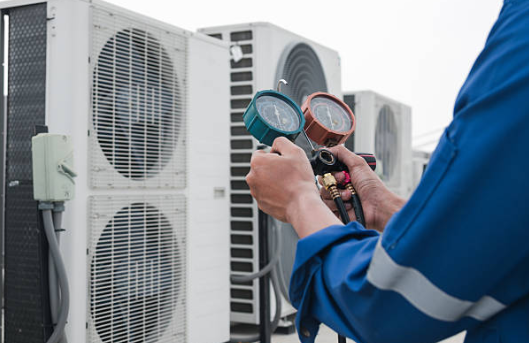
Here’s the direct answer: it depends on your system, but most homes use both. Your HVAC system isn’t one piece of equipment. It’s a combination of components working together to heat and cool your home. The furnace generates heat (often using gas), and the air conditioning unit removes heat from your home (always using electricity). This is why you can have a gas bill in winter and an electric bill spike in summer.
The confusion happens because people treat HVAC as a single system when it’s actually two separate systems sharing ductwork. Heating and cooling are independent operations that often rely on different energy sources.
In a typical setup, your furnace burns gas to create heat, while your air conditioner compressor runs on electricity to move heat outside. Both systems need electricity for controls and fans, but the primary heating fuel is gas, and the primary cooling fuel is electricity.
Understanding which energy source powers what matters for your wallet and for making smart decisions about your home.
Do HVAC Systems Use Gas?
Many systems do use gas, specifically for heating. A gas furnace is the most common heating method in residential homes. When your furnace runs, natural gas enters the unit, gets ignited by an electric spark, and produces heat that is distributed through your ductwork. The gas is the fuel source that creates the warmth.
Here’s the important detail: even though it’s called a “gas furnace,” it still requires electricity. The ignition system is electric. The blower fan that pushes heated air through your home is electric. The thermostat and controls are electric. You’re paying for both gas and electricity when your furnace runs.
Gas furnaces are popular because they’re efficient and fast-acting. In many regions, natural gas costs less than electricity for the same heating output. However, gas furnaces require a gas line to your home, regular maintenance, and proper venting. If you lose electricity, a gas furnace typically won’t operate because the ignition and blower need power.
Do HVAC Systems Use Electricity?
Yes, all HVAC systems use electricity in some form. Your air conditioner is completely electric. The compressor, condenser fan, and controls all run on electrical power. Central air conditioning systems cannot operate without electricity. There’s no gas alternative for cooling.
Even if you have a gas furnace, your entire system still uses electricity. The thermostat is electric. The blower fan is electric. The ignition system is electric. Whenever your system runs, whether heating or cooling, you’re consuming electricity.
Some homes skip gas entirely and use electric furnaces instead. These units generate heat directly from electricity, similar to a space heater. They require no gas line and work anywhere, but they’re expensive to operate because electricity rates are typically higher than natural gas rates. However, in regions with cheap electricity or where natural gas isn’t available, electric furnaces make sense.
Does Central Air Use Gas?
No. Central air conditioning never uses gas. Central AC is a cooling-only system powered entirely by electricity. The compressor, condenser coil, fans, and every component run on electrical power. If someone tells you their central air uses gas, they’re mistaken or confused about their system.
Central air works by circulating refrigerant through an outdoor compressor unit and an indoor evaporator coil. This refrigeration cycle requires constant electrical power to the compressor. The refrigerant does the cooling work, not the gas. Gas plays no role in air conditioning at all.
The confusion happens because homeowners often have a gas furnace paired with a central AC system. They think of these as one “HVAC system,” but they’re actually two separate systems sharing ducts. The furnace uses gas for heat, and the AC uses electricity for cooling. They’re independent of each other.
Is Central Air Gas or Electric?
Central air is electric. Only electricity powers a central air conditioning system. However, the furnace in your home might be gas, electric, or a heat pump. So when asking “Is central air gas or electric?”, the answer is always electric. But your overall home climate control might involve both gas and electricity if you have a gas furnace running alongside your electric AC.
To be clear: central air refers specifically to the cooling equipment. It’s the outdoor condenser unit and the indoor evaporator coil. That part is 100% electric. The furnace is completely separate equipment. When homeowners say they have a gas furnace and central air, they mean a gas furnace for heating plus an electric air conditioner for cooling. Some homes skip the furnace entirely and use a heat pump instead, which heats and cools using only electricity.
This distinction matters because it affects how you pay for utilities and how you maintain each system. Central air needs electricity to run. Your furnace might need gas and electricity.
Types of HVAC Systems and Their Energy Sources
Knowing your system type tells you exactly which energy sources power your home’s climate control.
Gas Furnace Plus Central AC (Most Common)
This is the standard setup in most North American homes. The gas furnace heats during winter months, and the electric air conditioner cools during summer. You’ll pay a gas company in winter and an electric company in summer. This combination is cost-effective in climates with both heating and cooling demands. It’s reliable and has been the standard for decades.
Electric Furnace Plus Central AC (All Electric)
Both units run entirely on electricity. You need no gas line. Your utility bill comes from a single source year-round. Operating costs are typically higher because electricity is your primary energy source for both heating and cooling. This setup works well if electricity rates are low or if natural gas isn’t available in your area.
Heat Pump System (Fully Electric)
A heat pump is a single unit that provides both heating and cooling using only electricity. Instead of generating heat like a furnace, a heat pump moves heat from outside to inside during winter, and reverses the process during summer. Modern heat pumps are highly efficient and can significantly reduce energy costs. They’re increasingly popular but work best in moderate climates. Newer cold-climate heat pumps handle freezing temperatures better than older models.
Dual-Fuel System (Gas and Heat Pump)
This combines a gas furnace with a heat pump. The heat pump operates efficiently in mild weather, handling both heating and cooling. When temperatures drop significantly, the gas furnace activates as a backup. This setup balances efficiency with reliability in cold climates.
Which Is Better: Gas or Electric HVAC?
There’s no universal “better” system. The right choice depends on your climate, local energy costs, and your priorities.
Efficiency: Heat pumps are the most efficient overall because they move heat rather than generate it. Modern heat pumps can deliver multiple units of heating energy for each unit of electricity used. Gas furnaces are efficient but consume a combustible fuel. Electric furnaces convert electricity to heat at 100% efficiency, but electricity is expensive.
Operating Cost: In cold climates where heating dominates, gas is often cheaper than electricity. In mild climates or where electricity rates are competitive, heat pumps or electric systems cost less to operate. Check your local energy rates to compare actual numbers.
Climate Suitability: Gas furnaces work reliably in any climate. Heat pumps excel in moderate climates but struggle in extreme cold, though newer models handle sub-zero temperatures. Electric furnaces work anywhere but are expensive in cold regions.
Maintenance: Gas furnaces need annual professional service. Heat pumps require periodic maintenance but are simpler overall. Electric furnaces are reliable and simple, but offer no redundancy if they fail.
When to Call a Professional
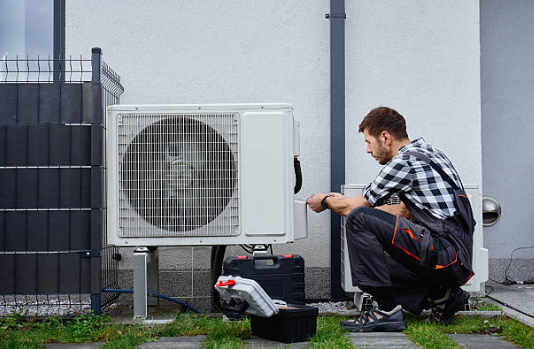
If you’re unsure whether your system uses gas or electricity, a professional HVAC technician can identify it in seconds. This matters if you’re planning an upgrade, dealing with a repair, or trying to understand your utility bills.
System confusion often signals it’s time to get a professional evaluation. If you’re considering replacing your furnace or air conditioner, a technician can recommend the best option for your specific home and climate. Installation decisions should always involve a professional who understands your local conditions and energy market.
Green Energy AC Heating & Plumbing Repair can assess your current system, explain exactly what powers it, and help you make informed decisions about repairs or upgrades. Professional guidance ensures you choose the right system type for your situation.
Wrapping Up;
Your HVAC system’s energy source directly impacts your utility bills, maintenance costs, and long-term efficiency. Most homeowners never think about this until something breaks or their bills spike unexpectedly. But understanding whether your system uses gas, electricity, or both gives you control and helps you plan ahead.
If you have questions about your system’s energy type or are exploring upgrade options, knowing whether it uses gas, electricity, or both is your starting point. Some homes would benefit from switching to a heat pump. Others should maintain a gas furnace plus electric AC combination. The right choice depends on your specific situation.
A professional assessment can reveal opportunities to reduce energy costs by switching to a more suitable system type. Many homeowners are surprised to learn they could save money and improve comfort by understanding and upgrading their HVAC setup. If you’re ready to explore your options, Green Energy AC Heating & Plumbing Repair can guide you through the process and help you find the most cost-effective solution for your home.