




Your central AC probably works fine right now. That’s exactly why most Canton homeowners never think about its age until the summer it quits, usually on the hottest, most humid week of the year.
Here’s the uncomfortable truth: a central AC unit in Massachusetts rarely dies of old age on a schedule you can plan around. It dies early, from neglect and a rough local climate, or it lasts two decades because someone took care of it. Which one you get is mostly in your hands.
In this blog, you’ll learn how long a central AC unit really lasts in Massachusetts, the specific things that shorten or extend its life in a Canton home, the warning signs it’s near the end, and how to decide between one more repair and a full replacement. You’ll also see the rebates and permit rules that make replacement smarter and cheaper here.
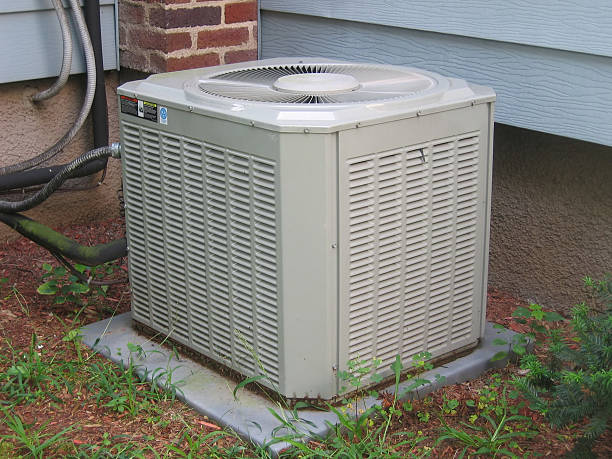
Key Takeaways
- A central AC unit in Massachusetts typically lasts 15 to 20 years.
- Skipping maintenance can cut that lifespan down to 10 to 12 years.
- Canton’s humid summers and freeze-thaw winters stress equipment harder than milder climates.
- Mass Save rebates and 0% financing make efficient replacements far more affordable here.
- Massachusetts requires a permit and licensed installer for any AC replacement.
How Long Does a Central AC Unit Last in Massachusetts?
A well-maintained central AC unit in Massachusetts typically lasts 15 to 20 years. That’s the honest, direct answer. Some units push to 25 years with diligent care, while neglected systems can fail as early as 10 years, according to Carrier’s AC lifespan guide.
The range is wide for a reason. Lifespan is not really about the brand on the label. It’s about three things: how well the unit was installed, how consistently it’s maintained, and the climate it has to fight. Canton scores tough on that last one, which is why local units often land at the lower end of the national range unless the owner is proactive.
Think of that 15-to-20-year window as a ceiling, not a promise. You earn the top of the range. You don’t get it by default.
What Actually Determines Your AC’s Lifespan
Four factors decide whether your system lasts 12 years or 22, and none of them are luck. Understanding them tells you exactly where to put your attention.
Maintenance is the biggest lever by far. Without regular service, an AC unit’s lifespan can drop to just 10 to 12 years. Dirty coils and clogged filters force the compressor to work harder and run hotter, and the compressor is the single most expensive part in the system. Neglect essentially trades years of life for a chore you skipped.
Installation quality comes next. An improperly sized unit is a slow-motion failure. An oversized system short-cycles, snapping on and off and wearing out its parts, while an undersized one runs constantly and never rests. Both die young. This is why a rushed, cheap install almost always costs more over ten years than a careful one.
The third factor is run-time and thermostat habits. Setting the thermostat very low forces the system to run more often, adding wear, so a reasonable setpoint genuinely stretches the equipment’s life. The fourth is climate, and that’s where Canton earns its own section.
The practical takeaway is simple. Consistent professional AC repair and maintenance is the closest thing there is to a longevity guarantee for a central system.
Why Canton’s Climate Is Hard on a Central AC
Canton puts a specific kind of stress on cooling equipment, and it explains why local units often need more attention than the national averages suggest. The climate works your AC hard for part of the year and then leaves it exposed for the rest.
Summers here are humid, not just hot. Humidity matters because a central AC doesn’t only cool air, it removes moisture, and that dehumidifying work makes the system run longer and harder through July and August. A unit that’s slightly undersized or poorly maintained shows its weakness fastest during a muggy stretch, which is exactly when you need it most.
Then the equipment sits idle through a long, freezing winter. The outdoor condenser endures months of snow, ice, and repeated freeze-thaw cycles while doing no cooling at all. That seasonal swing, hard use followed by hard exposure, ages the outdoor unit faster than a steady mild climate would. Debris, ice damage, and moisture intrusion over the off-season are common culprits behind spring startup failures.
There’s a local cost angle too. Central AC installation in Massachusetts generally runs from $4,500 to $12,000, with the statewide average around $6,600 and Greater Boston running 15 to 20% higher, based on regional installation cost data. Labor rates in the state sit roughly 20% above the national average. Because replacement is expensive here, squeezing every good year out of your existing unit has a real dollar value in Canton.
Signs Your Central AC Is Near the End
You rarely get zero warning. A dying central AC drops hints for months, and catching them early is the difference between a planned replacement and an emergency one in a heat wave. Watch for these:
- Age past 15 years. If your unit is in its mid-teens and starting to act up, age alone tips the math toward planning a replacement.
- Rising energy bills with no change in use. A system losing efficiency has to run longer to hit the same temperature, and your bill tells the story.
- Frequent repairs. Two or more service calls in a season is a pattern, not bad luck, and the costs add up fast.
- Weak airflow or uneven cooling. Rooms that never quite cool down often signal a compressor or ductwork problem that worsens with time.
- Warm air or constant running. A unit that runs nonstop and still can’t keep up is near the edge of its capacity.
- It uses R-22 refrigerant. Older systems on phased-out R-22 are expensive to recharge and are usually better replaced than repaired.
One sign on its own may just mean a repair is due. Several together usually mean the clock has run out. Either way, a professional diagnosis beats guessing, because the wrong call in July is a costly one.
Repair or Replace? How Canton Homeowners Should Decide
The repair-or-replace question has a clearer answer than most people expect. A useful rule of thumb: if the repair cost times the unit’s age approaches or exceeds the price of a new system, replacement usually wins. A $1,500 repair on a 14-year-old unit is throwing good money after bad.
Age is the anchor. Under 10 years and well maintained, most problems are worth repairing. Past 15 years, especially with R-22 refrigerant or a failing compressor, replacement almost always makes more financial sense once you factor in efficiency gains. Modern systems use significantly less electricity, so a new unit starts paying you back on day one through lower bills.
Efficiency is where the local math gets interesting. Because Massachusetts electricity and labor costs run high, the monthly savings from a modern high-efficiency system add up faster here than in cheaper-energy states. A replacement that looks expensive up front can quietly recover a good chunk of its cost over the years you’d own it anyway.
The catch is that the decision is rarely obvious from the outside. A trusted technician who inspects the actual unit, checks the compressor, and runs the numbers on your specific system will save you from both extremes: nursing a dead unit and replacing one that had years left.
Rebates and Permits Canton Homeowners Should Know
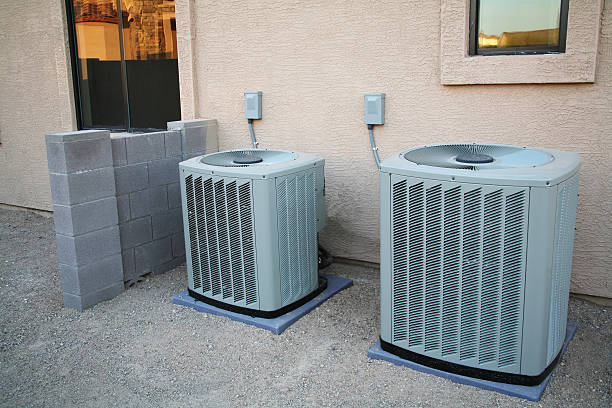
If replacement is on the table, two local realities change the calculation, and both work in your favor if you plan for them. Skip them and you leave money and time on the floor.
First, the rebates. Massachusetts runs one of the strongest efficiency incentive programs in the country through Mass Save. For 2025, whole-home air source heat pump installations qualify for rebates of $3,000 per ton up to a $10,000 maximum, with partial-home installs at $1,250 per ton, according to Mass Save’s air source heat pump program. Qualified homeowners can also access up to $25,000 in 0% interest financing. A heat pump both cools in summer and heats in winter, which is why so many Canton homeowners replacing an aging AC now switch to one. The key requirement: the work must be done by a contractor in the Mass Save Heat Pump Installer Network to qualify.
Second, the permit. In Massachusetts, a permit is legally required to install, replace, or substantially modify an AC system, and permitting is handled locally under the state building code. In Canton, that runs through the town’s building department, which offers an online permitting portal for residents and contractors. A licensed professional pulls the permit and the work is inspected, which protects you and keeps the install from becoming a problem when you sell. Unpermitted HVAC work is one of the most common issues that surfaces during a home sale.
Put together, the rebates lower the price and the permit process protects the investment. Both are reasons to use a licensed local pro rather than the cheapest bid you can find.
How to Extend Your Central AC’s Lifespan in a Canton Home
Getting to the top of that 15-to-20-year range is not complicated, but it does take consistency. A handful of habits do most of the work, and they cost far less than an early replacement.
Change the air filter on schedule. A clogged filter is the most common cause of strained airflow, and it forces the whole system to work harder than it should. Every one to three months is the right cadence for most Canton homes, more often if you have pets. This one habit protects the compressor and keeps efficiency up.
Book a professional tune-up once a year, ideally in spring before cooling season starts. A technician cleans the coils, checks refrigerant levels, tightens electrical connections, and catches small problems while they’re still cheap. A part that costs $40 to replace in April can take out a compressor worth thousands in July if it’s ignored.
Keep the outdoor condenser clear. After a Canton winter, the unit is often surrounded by leaves, branches, and settled debris, and needs at least two feet of clearance on all sides to breathe. Gently rinsing the fins and clearing the base each spring prevents the airflow restriction that quietly overworks the system.
Finally, use a programmable or smart thermostat and avoid setting the temperature extremely low. Reasonable, steady setpoints reduce run-time, and less run-time means less wear on every moving part. Small discipline here adds up to real years over the life of the unit.
Getting the Most Years Out of Your Central AC in Canton
So, how long does a central AC unit last in Massachusetts? Fifteen to twenty years if you earn it, closer to ten if you don’t. The variable that decides your number isn’t the brand, it’s the care. Regular maintenance protects the compressor, a correctly sized and permitted install sets the ceiling high, and a smart repair-or-replace call at the right moment keeps you from wasting money at either end. In a climate like Canton’s, with humid summers and hard winters working against the equipment, that care matters more than the national averages let on.
The simplest move is to stop guessing about your unit’s age and condition. A professional tune-up or an honest inspection tells you exactly where you stand and how many summers you can reasonably expect. Green Energy AC Heating & Plumbing Repair services and replaces central AC systems across Canton, handles Mass Save rebate paperwork and permitting, and gives you a straight answer on whether to repair or replace. Call Green Energy AC Heating & Plumbing Repair at 781-236-3421, or reach out to book a maintenance visit before the next heat wave tests your system.
FAQ
How long does a central AC unit last in Massachusetts?
A well-maintained central AC unit in Massachusetts typically lasts 15 to 20 years, and some reach 25 with diligent care. Neglected units can fail in as little as 10 years. Installation quality, maintenance frequency, and the local climate are the main factors that decide where your unit lands in that range.
Does skipping maintenance really shorten an AC’s life?
Yes, dramatically. Without regular service, a central AC’s lifespan can drop to 10 to 12 years. Dirty coils and clogged filters force the compressor, the most expensive component, to run hotter and harder until it fails early. Annual professional maintenance is the single most effective way to protect your investment.
Do I need a permit to replace a central AC in Canton, MA?
Yes. Massachusetts requires a permit to install, replace, or substantially modify an AC system, and Canton handles this through its building department’s online permitting portal. A licensed professional pulls the permit and the work is inspected, which also protects you if you sell the home later.
Are there rebates for replacing my AC in Canton?
Yes, through Mass Save. Switching to an air source heat pump, which cools and heats, can qualify for rebates of $3,000 per ton up to $10,000 for a whole-home install, plus up to $25,000 in 0% financing. The work must be done by a contractor in the Mass Save Heat Pump Installer Network to qualify.
Should I repair or replace a 15-year-old AC unit?
Usually replace, especially if it needs a major repair or uses R-22 refrigerant. A good rule is that if the repair cost times the unit’s age approaches the price of a new system, replacement wins. Given high Massachusetts energy costs, a modern efficient unit also pays you back faster through lower bills.