




No, in most cases green corrosion on copper pipes is not dangerous. It is usually just patina, a thin, natural oxide layer that forms when copper reacts with moisture and air, and it does not mean your plumbing is failing. Yes, it can become dangerous when it is paired with pitting, flaking, active leaks, or a metallic taste in your water, since those signs point to copper actually dissolving out of the pipe wall. The type of green corrosion you are looking at determines whether you can ignore it or need a plumber today.
Key Takeaways
- Uniform, dry, blue green surface color is normal oxidation and does not require repair.
- Verdigris becomes dangerous when it is wet, flaking, pitted, or paired with a visible leak.
- Water chemistry, humidity, dissimilar metal connections, and pipe age are the main drivers.
- The EPA’s copper action level for drinking water is 1.3 mg/L, and testing settles any doubt.
- A professional inspection is the only reliable way to tell cosmetic patina from active deterioration.
What Is Green Corrosion on Copper Pipes?
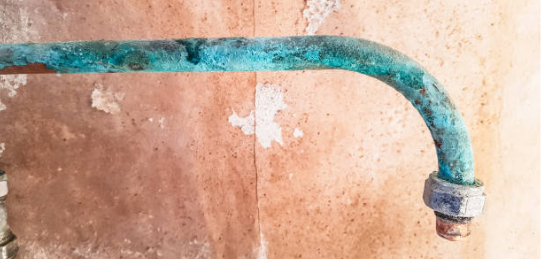
The green coating on copper pipes is called verdigris, the same blue green patina that colors the Statue of Liberty. It forms when copper reacts with oxygen and moisture, producing copper carbonate, copper sulfate, or copper chloride compounds on the metal’s surface, depending on what the copper is exposed to.
Copper and iron corrode differently, and that distinction matters. Rust on iron or steel is expansive and self perpetuating; it flakes away and exposes fresh metal to keep corroding. Copper’s patina is often the opposite: a thin, stable layer that can actually slow further oxidation by sealing the surface underneath. That is why a uniformly green pipe that has been that color for years, with no moisture or staining nearby, is frequently a non issue rather than a warning sign.
The 3 Types of Green Corrosion, and What Each One Means
Not all green corrosion carries the same risk. Before deciding whether to worry, match what you are seeing to one of these three patterns.
- Uniform surface patina (normal). A consistent, dry, blue green film covering the whole pipe or fitting evenly. This is standard oxidation and needs no repair, only cosmetic cleaning if you want the copper look restored.
- Localized staining or crusty deposits at joints (investigate). Green buildup concentrated at a soldered joint, valve, or fitting, especially with white or blue crust, usually signals flux residue reacting with moisture, or a slow weep at the connection. Worth a closer look, not necessarily an emergency.
- Pitting corrosion (call a plumber). Small, deep, irregular pockmarks in the copper, often under a thicker corrosion crust, sometimes with a damp or wet pipe surface. Pitting eats through pipe walls unevenly and is the type most likely to produce a pinhole leak. This pattern warrants a professional inspection regardless of how the rest of the pipe looks.
Why Do Copper Pipes Turn Green?
Several conditions drive copper oxidation, and homes often have more than one at once.
- Moisture and humidity Condensation on cold water lines, damp crawl spaces, or poor ventilation around pipes accelerates oxidation.
- Water chemistry Acidic water (low pH), high dissolved oxygen, or low total dissolved solids makes water more aggressive toward copper.
- Chlorine and ammonia exposure Municipal water treatment chemicals and household cleaning products can both react with copper surfaces over time.
- Galvanic corrosion from dissimilar metals When copper pipe connects directly to steel, iron, or improperly grounded electrical systems, an electrochemical reaction speeds up corrosion at the connection point, a cause many homeowners never suspect.
- Pipe age Copper plumbing typically lasts 50 to 70 years under normal conditions. Homes with original supply lines from the 1960s to 1980s are well within the window where corrosion related failures become more common and warrant a baseline inspection.
- Active leaks A pinhole leak or weeping joint keeps the surrounding copper constantly wet, which turns a slow, normal process into a fast, concentrated one.
Is Green Corrosion on Copper Pipes Dangerous?
In most cases, no, a dry, uniform patina is cosmetic and protective. Green corrosion becomes genuinely dangerous when it is tied to one of these conditions:
- Structural loss Pitting or flaking has thinned the pipe wall enough to risk a sudden, high pressure leak.
- Active water contact The corrosion is wet, spreading, or paired with a visible drip, meaning water and copper are reacting continuously rather than having formed a stable layer.
- Elevated copper in drinking water The EPA’s action level for copper in tap water is 1.3 milligrams per liter (mg/L). Water sitting in corroding pipes overnight can pick up copper above safe levels, which is linked to gastrointestinal symptoms at high exposure and, over time, more serious health effects with prolonged ingestion.
If none of those apply, treat it as a maintenance item, not an emergency.
6 Signs of Problematic Corrosion
Call a plumber if you notice any of the following, rather than waiting for the corrosion to visibly worsen.
- Thick, flaking, or crusty buildup instead of a smooth, thin coating
- Any active leak, drip, or damp spot near the corrosion
- Noticeably reduced water pressure at fixtures
- Blue green or metallic tasting water coming from the tap
- Staining on walls, ceilings, or around fixture connections
- Pinhole sized wet spots on the pipe surface itself
Do Green Copper Pipes Need to Be Replaced?
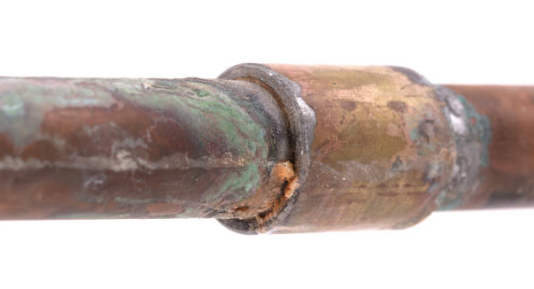
Not always. Some green copper pipes function perfectly and need no replacement; others require immediate attention.
When Cleaning or Sealing Is Sufficient
If green discoloration is purely cosmetic, you can clean it using vinegar, lemon juice, or mild abrasive pads. Removing the patina improves appearance but doesn’t affect function. After cleaning, ensure the area stays dry to slow future oxidation.
In some cases, professionals apply corrosion-inhibiting coatings to slow further patina formation without removing the pipes.
When Targeted Repair Is Appropriate
If corrosion has created pinhole leaks in isolated sections, replacing just that section may be cost-effective and sufficient. A plumber can identify the affected area and install a patch or replace a short section of pipe while leaving the rest undisturbed.
When Full Replacement Is Necessary
Complete replacement becomes necessary when:
- Multiple leaks appear across the same run of pipe
- Water testing reveals unsafe copper levels
- Inspection shows widespread pitting and structural weakness
- The corrosion pattern suggests the problem will spread throughout the system
Replacing copper with copper, installing PEX, or using hybrid piping are common solutions. A professional assessment determines which approach makes sense for your situation.
Cost Considerations
Cleaning costs virtually nothing if you do it yourself. Professional inspection typically runs $150-$300. Replacing a section of pipe ranges from $500 to $1,500, depending on location and complexity. Full system replacement varies widely based on home size but generally costs $3,000-$10,000 or more. The investment depends on the severity of corrosion and whether problems are isolated or widespread.
How to Clean Harmless Surface Patina
If an inspection confirms the corrosion is purely cosmetic, you can remove it yourself.
- Mix a paste of baking soda, salt, and a small amount of vinegar or lemon juice.
- Apply the paste to the affected area and let it sit for 20 to 30 minutes.
- Scrub gently with a soft brush or emery cloth, avoid aggressive abrasion that scratches the copper.
- Rinse and dry the pipe completely, trapped moisture just restarts the process.
- For stubborn spots, a small amount of acetone on a cloth can dissolve buildup. Use in a ventilated area and avoid open flames.
Skip DIY cleaning entirely if you have identified pitting, a leak, or wet corrosion. Cleaning will not fix a structural problem, and it can mask a leak that needs professional attention.
6 Ways to Prevent and Fix Green Corrosion
Preventing corrosion is far simpler than dealing with failures after they occur.
- Improve Ventilation
Ensuring adequate airflow around pipes in basements and crawl spaces reduces moisture buildup. Installing a dehumidifier in chronically damp areas helps significantly. Even modest moisture reduction slows patina formation.
- Control Water Chemistry
If your water is acidic (pH below 7), having it adjusted is one of the most effective interventions. Water treatment systems that raise pH or reduce chlorine content address root causes rather than just symptoms.
- Fix Leaks Promptly
Any leak accelerates corrosion. Addressing dripping faucets, leaking fixtures, and burst pipes immediately prevents corrosion from progressing.
- Inspect Routinely
Walk through your basement or crawl space every few months. Look for green discoloration, leaks, and water stains. Early detection prevents small problems from becoming major failures.
- Keep Pipes Dry
Insulate cold water pipes to prevent condensation. Ensure gutters and downspouts direct water away from the foundation. Fix any water intrusion points that might expose pipes to excess moisture.
- Test Water Quality
Have your water tested if you notice discoloration or changes in taste. Testing identifies whether corrosion is leaching copper or other metals into your water supply.
When to Call a Professional
Some situations require professional expertise and equipment.
You should call a plumber if:
- Your visual inspection reveals leaks from corroded pipes. Water actively escaping from a pipe requires immediate professional repair.
- Water is discolored or has a metallic taste. This indicates copper or other metals are entering your water supply.
- You see widespread green corrosion across multiple areas. This pattern suggests systemic corrosion driven by water chemistry or environmental factors that professional assessment can pinpoint.
- You’re unsure whether corrosion is surface patina or active deterioration. A professional can examine the pipes with tools that determine wall thickness and identify internal damage.
- You need reliable guidance on repair versus replacement. Professionals can quote the cost and timeline of different solutions so you can make an informed decision.
A professional can pressure test the line, confirm whether contamination is a concern, and recommend a section repair or full repipe if the pipe’s condition calls for it. Schedule a plumbing inspection to get a clear answer instead of guessing.
Frequently Asked Questions
Does green corrosion always mean my pipes are leaking?
No. Uniform, dry patina is normal oxidation with no leak involved. A leak is more likely when the corrosion is wet, concentrated at one spot, or paired with a pressure drop.
Can I just paint or coat over green corrosion?
Not as a fix. Coating traps whatever caused the corrosion in the first place and hides early warning signs of a developing leak. Clean and address the underlying cause instead.
How long do copper pipes actually last?
Copper supply lines typically last 50 to 70 years under normal water conditions, though aggressive water chemistry, chronic humidity, or galvanic corrosion can shorten that significantly.
Is copper contaminated water safe to drink short term?
Occasional low level exposure is not an emergency, but water testing is the only way to know if your levels approach the EPA’s 1.3 mg/L action level. If you notice a metallic taste consistently, get your water tested.
Will a water softener or filter stop copper pipes from corroding?
It depends on the cause. If acidic or high oxygen water is driving the corrosion, a treatment system that corrects water chemistry addresses the root cause. It will not help if the real driver is galvanic corrosion or a leak.