




You finish brewing your morning coffee. The used grounds sit in the filter, and the natural instinct is to rinse them down the sink. It seems harmless. After all, they’re organic material and water washes everything away.
But this habit is one of the most common causes of kitchen drain clogs. Understanding whether it is safe to rinse coffee grounds down the drain prevents expensive plumbing problems before they start.
This guide explains what really happens when ground material enters your pipes, why it causes clogs, and the proper way to dispose of it.
Key Takeaways
- Coffee grounds are not safe for drains because they do not dissolve and cause clogs.
- Coffee grounds do not dissolve easily in water, vinegar, hot water, or any household liquid.
- Myths about rinsing coffee grounds down the shower drain or using vinegar are not supported by plumbers.
- Dispose of coffee grounds in trash or compost, not drains, to avoid clogs and problems.
- Use drain strainers, avoid pouring grounds down sinks, and maintain drains regularly with hot water.
Is It Safe to Rinse Coffee Grounds Down the Drain?
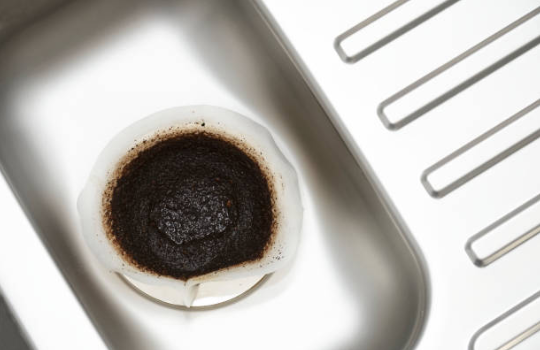
The direct answer is no. Coffee grounds are not safe for drains, and here’s why.
Coffee grounds don’t dissolve in water. They’re solid particles that retain their form as they travel through your pipes. When water moves through the drain, the grounds move with it, but unlike soap or small food particles, they don’t break apart or dissolve away. Instead, they settle and accumulate.
As sediment builds up in your pipes, it traps grease, oils, and other debris. The combination creates a sticky paste that sticks to pipe walls and gradually blocks water flow. This blockage starts as slow drainage, then becomes a complete clog if the buildup continues.
The problem is worse if you have older pipes, narrow drain lines, or any existing buildup. A small accumulation of grounds pushes existing grease deposits over the tipping point from slow drain to no drain.
The simple answer to whether it is safe to rinse coffee grounds down the drain is this: they cause problems. Prevention requires discarding grounds in the trash or compost, not in the sink.
What Happens When Coffee Grounds Go Down the Drain
Coffee grounds behave surprisingly poorly in pipes. Understanding this behavior explains why they’re problematic.
When grounds first enter the drain, they’re suspended in water. As the water moves through the trap under your sink, the grounds begin to settle. Some continue down the main drain line, but many stay in the trap or the first section of pipe. This is where the real problem develops.
Grease and oils in your pipes act like glue. As grounds settle in areas where grease already exists, they stick to the pipe walls and to each other. They clump together, forming a mass that traps more debris. Soap residue, food particles, and hair all stick to this growing mass.
The accumulation happens slowly over weeks or months. A single rinse of grounds rarely causes an immediate clog. But repeated rinsing creates buildup that eventually completely blocks water flow. By the time you notice slow drainage, the clog is already significant.
In pipes connected to garbage disposals, grounds behave differently but cause similar problems. Some people mistakenly believe a disposal can handle grounds.
While a disposal can break them into smaller pieces, those pieces still don’t dissolve. They settle downstream in the drain line, causing the same accumulation issue.
What Dissolves Coffee Grounds?
This is a critical question because many homeowners assume something dissolves in the ground. The answer is straightforward: nothing dissolves coffee grounds easily.
Water alone does not dissolve them. The grounds are plant fiber and solids that require biological breakdown over a long time. In a drain pipe at normal temperatures, this breakdown doesn’t happen in any practical timeframe.
Heat doesn’t dissolve them either. Boiling water might soften grounds slightly, but they still don’t dissolve. They simply become slightly more pliable while remaining solid particles that accumulate in pipes.
Vinegar does not dissolve coffee grounds. This is a common myth. While vinegar dissolves certain mineral deposits (like calcium buildup), it has no special ability to break down ground coffee. Vinegar is acidic, but not acidic enough to dissolve plant fiber. Testing this shows the grounds remain intact after soaking in vinegar.
Baking soda doesn’t dissolve grounds either. While baking soda is useful for deodorizing drains and breaking down grease, it doesn’t dissolve coffee grounds.
The truth is that coffee grounds are surprisingly resilient. They persist in drains, accumulate grease and debris, and require mechanical removal. Accepting this reality guides better disposal habits.
Will Vinegar Dissolve Coffee Grounds?
No. This is one of the most persistent myths about drain cleaning, leading homeowners to believe they can safely flush grounds down drains with vinegar.
Vinegar is useful for drain maintenance because it dissolves mineral buildup, reacts with baking soda to create fizzing action, and breaks down soap scum. But it does not dissolve coffee grounds. The claim likely persists because vinegar is useful for other drain problems, so people assume it works for everything.
Testing vinegar against coffee grounds produces no dissolution. Grounds remain intact after hours of soaking in vinegar. While vinegar might soften them slightly, they’re still solid particles that will accumulate in your pipes.
If you’ve rinsed grounds down your drain and poured vinegar after them, hoping to dissolve them, the vinegar cleaned other things in your drain but didn’t remove the grounds. They remain in your pipes waiting to cause problems.
The only way to remove grounds from a drain is mechanical removal through plunging, snaking, or professional cleaning. There is no chemical solution that dissolves them.
Why Pour Coffee Down the Shower Drain (Myth vs Reality)
Some people claim that coffee grounds poured down the shower drains act as a natural exfoliate or cleaner. This is misleading and creates a false sense of safety.
The theory is that, because grounds are slightly gritty, they have exfoliating properties. In principle, this is true if the grounds are in direct contact with the skin and rubbed intentionally. But pouring grounds down a shower drain doesn’t create this benefit. Instead, the ground immediately becomes wet, heavy, and begins to settle in the drain trap.
The “why pour coffee down the shower drain” question often comes from environmental blogs promoting “natural” uses for grounds. The logic is sound when grounds are used in a shower scrub directly on skin, but rinsing grounds down the drain is something completely different.
Once in the drain, shower grounds behave exactly like kitchen sink grounds. They accumulate, trap grease and hair, and create clogs. The fact that it’s a shower drain rather than a kitchen sink doesn’t change the fundamental problem.
This myth has led to clogged shower drains that require professional cleaning to resolve. The grounds mixed with hair create particularly stubborn blockages in shower drain lines.
How to Clear Coffee Grounds from a Drain
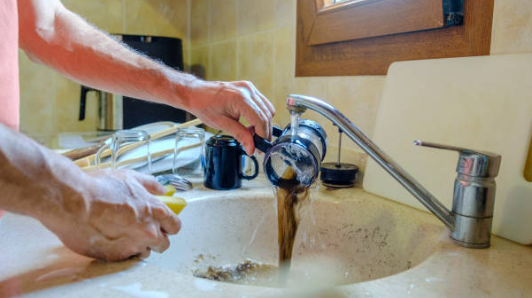
If grounds have already made it down your drain, clearing them requires mechanical methods.
Flushing with Hot Water
The least aggressive approach is flushing with hot water. Boil a large pot of water and carefully pour it directly down the affected drain. The heat may slightly soften the ground, and the force of the water might dislodge them. This works best if the clog is minor and the grounds haven’t yet trapped other debris. Repeat several times if the first flush doesn’t clear the drain.
Using a Plunger
A traditional plunger creates pressure that can dislodge minor clogs. Fill the sink with enough water to cover the plunger cup, then plunge vigorously. The pressure forces water and grounds through the trap and into the main drain line. This often works if the grounds are stuck in the trap rather than deeper in the line.
Using a Drain Snake
A plumbing snake is a long, flexible cable that breaks apart clogs or pulls out debris. Feed the snake down the drain, turn the handle to rotate the cable, and work it through the clogged section. The spinning motion breaks up the grounds and grease mixture, allowing water to flow again. For stubborn clogs, a drain snake is more effective than plunging.
If these methods don’t clear the clog, the blockage is likely deeper in the main drain line or has trapped significant debris. Professional help is appropriate at this point.
How to Prevent Coffee Grounds from Clogging Drains
Prevention is far simpler and cheaper than clearing clogs.
Proper Disposal in Trash or Compost
The simple solution is disposing of grounds in the trash immediately after brewing. If you compost, grounds are excellent compost material and improve soil quality. Place them directly in a compost bin or save them for composting. Both trash and compost eliminate the risk of drainage entirely.
Install Drain Strainers
Drain strainers are inexpensive devices that sit in your sink drain opening and catch debris before it enters the pipe. They catch not just coffee grounds, but food scraps, hair, and other solid particles. Empty the strainer into the trash after each use. This single step prevents the majority of kitchen drain clogs.
Routine Drain Maintenance
Pour hot water down your drains weekly. This keeps grease fluid and prevents buildup. Once monthly, flush with hot water and baking soda, then vinegar. This combination fizzes and helps clear minor buildup. Regular maintenance keeps drains flowing smoothly and prevents small problems from becoming major clogs.
Don’t Use Garbage Disposals for Grounds
If you have a garbage disposal, don’t put coffee grounds in it. While a disposal breaks them into smaller pieces, those pieces still accumulate in the drain line downstream. Compost or trash disposal is better.
When to Call a Professional
Several situations warrant professional help rather than DIY attempts.
- If your kitchen sink or bathroom drain is slow despite your clearing efforts, the clog is deeper than you can reach with a plunger or hand-held snake. Professional plumbers have motorized snakes and cameras that locate and clear clogs effectively.
- If clearing one drain didn’t solve the problem across your home, the clog is in the main sewer line. This requires professional equipment and expertise. Attempting this yourself risks damaging your plumbing system.
- If you smell odors from your drains or see backup, the clog is significant. Professional service prevents sewage backup and restores normal function.
Green Energy AC Heating & Plumbing Repair handles clogged drains caused by coffee grounds, grease, hair, and other debris. Our technicians use modern equipment to locate clogs, remove blockages, and restore proper drainage. If your drain is slow or clogged, we provide same-day service and permanent solutions. Call us to clear your drain and get your plumbing back to normal.
Keeping Your Drains Clear and Clog-Free
Coffee grounds in the sink seem like a small thing, but it’s one of the most common causes of preventable drain clogs. A single rinse won’t clog your drain, but repeated rinsing combined with grease and debris creates blockages that slow drainage and eventually stop water flow.
Prevention is simple: dispose of grease in the trash or compost, install a drain strainer, and maintain your drains with regular hot-water flushes. These three steps eliminate the vast majority of drain problems.
If the grounds already caused a clog, hot water, a plunger, or a drain snake can clear minor blockages. For persistent clogs, professional help ensures complete removal and prevents future problems.
Think of your drains like your gutters. A few leaves blow in and cause no problem. But leaves accumulate over months, trap moisture, and eventually clog the system. The same principle applies to coffee grounds in drains. Preventing clogs through proper disposal is far easier than dealing with them once they form.