




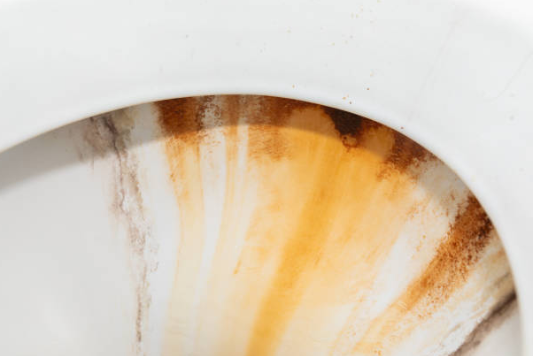
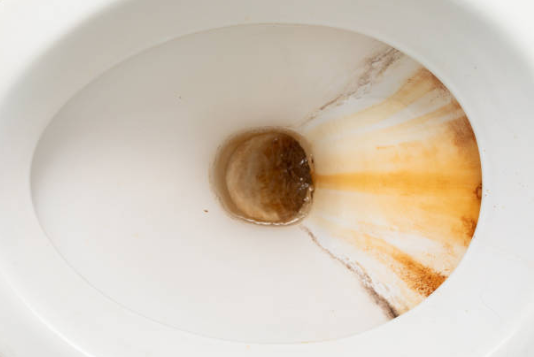
Your toilet bowl starts showing brown or orange stains that don’t go away, no matter how much you scrub. Standard cleaners stop working, and the buildup keeps returning in the same spots. Over time, it begins to look like permanent damage rather than something that can be fixed.
Rust stains are not typical surface grime. They usually come from iron in your water supply or corrosion within your plumbing system, which is why regular cleaning methods often fall short. As water sits in the bowl, minerals settle and bond to the porcelain, creating stains that require more targeted removal.
Ignoring these stains only makes them harder to remove. What starts as light discoloration can turn into deeper, more stubborn buildup that affects both the appearance and cleanliness of your toilet. Addressing the issue early keeps the problem manageable and prevents repeated scrubbing with little result.
This guide explains how to remove rust stains from your toilet bowl, what causes them, and how to prevent them from returning.
Key Takeaways
- Vinegar and baking soda remove rust stains from toilet bowls effectively without harsh chemical cleaners.
- Rust stains form from iron content in water, mineral buildup, and old pipes or fixtures.
- How to remove rust from the toilet bowl rim: focus cleaning efforts under the bowl rim.
- Always try bleach, commercial rust removers, and pumice stones for your stubborn rust stains.
- Regular cleaning, water filters, and iron treatment effectively prevent rust stains in your toilet.
How To Remove Rust Stains From My Toilet Bowl?
The answer depends on how stubborn the stains are. Most respond to accessible methods you can use at home.
For light rust stains, vinegar and baking soda work effectively. Pour a cup of vinegar into the bowl, add a cup of baking soda, and let it sit for 30 minutes. The fizzing action helps break apart the stains. Scrub with a toilet brush and flush. Repeat if needed.
For moderate stains, commercial toilet rust removers are effective. These products contain acids that dissolve rust deposits. Follow the product instructions carefully, always wear gloves, and ensure good ventilation. Most work within 15 to 30 minutes.
For stubborn stains that resist other methods, a pumice stone works but requires care. Wet the stone and the stained area, then gently scrub in circular motions. Pumice is abrasive and can scratch porcelain if you apply too much pressure, so use a light touch. This method takes patience but removes even heavy staining.
The key is matching the method’s strength to the severity of the stains. Start mild, escalate to stronger methods only if needed.
Why Rust Stains Form in Toilet Bowls
Understanding the cause helps you address both the stains and the underlying issue.
Iron in Water Supply
The most common cause is iron dissolved in your water. If your water supply naturally contains high iron levels (common in well water and some municipal supplies), iron deposits accumulate in the toilet bowl. When exposed to air, iron oxidizes and forms rust. Over time, these deposits stain porcelain.
Old Pipes and Fixtures
Rusty pipes or corroded fixtures can leach iron into the water flowing through them. If your pipes are old, galvanized steel, or cast iron, rust forms on the interior walls and flakes off into the water. The rust particles settle in the toilet bowl, creating visible stains.
Mineral Buildup
Hard water mineral deposits combined with iron create stubborn stains that simple cleaning won’t remove. The minerals bond the rust to the porcelain, making the stains appear permanent.
Chlorine in Water
Municipal water treated with chlorine can accelerate oxidation of any iron present, speeding up rust formation. Higher chlorine levels mean faster staining.
Identifying the cause helps determine prevention. If iron is the issue, water treatment is wise. If old pipes are the culprit, replacing them solves the problem. If it’s simply your water chemistry, cleaning becomes a regular maintenance task.
How to Clean Rust Stains from Toilet Bowl (Step-by-Step)
Step 1: Empty the Bowl
Reduce the water level in the bowl by closing the fill valve or holding the flush lever down. This allows the cleaner to contact the stains directly rather than being diluted.
Step 2: Apply Your Chosen Cleaner
Use vinegar and baking soda for mild stains, a commercial rust remover for moderate discoloration, or bleach-based cleaners for heavy rust. Pour the product directly onto the stained areas.
Step 3: Let It Sit
Allow 20 to 30 minutes for the product to work. This time gives the acid or active ingredients a chance to break down rust deposits. Don’t skimp on time; patience produces better results.
Step 4: Scrub Thoroughly
Use a toilet brush with firm pressure to scrub the stained areas. Work in circular motions to loosen and break apart rust. For stubborn spots, a pumice stone or specialized toilet brush works better than a standard brush.
Step 5: Flush and Evaluate
Flush and observe the results. If stains remain, repeat the process with a stronger product or longer sitting time. Most stains clear after one or two applications.
How to Remove Rust from Toilet Bowl Rim
The area under the rim where the rim holes discharge water is a hidden stain spot that many miss.
To reach under the rim, pour the cleaner directly under the rim opening, targeting the waterline. The cleaner will drip down and contact the hidden stains. Let it sit for 30 to 60 minutes so it can work on difficult stains in the less-accessible areas.
Use a curved brush or pipe cleaner to scrub under the rim if possible. The goal is to break the contact between the rust and the porcelain. For severe buildup, repeat the process multiple times over several days.
This area often holds the most stubborn stains because water flows continuously past these spots, repeatedly depositing minerals and iron. Consistent attention to under-rim cleaning prevents visible buildup.
Will Vinegar Remove Rust from Toilet Bowl?
Yes, but with limitations. Vinegar is acidic and dissolves rust, but it works best on light to moderate stains.
For mild discoloration, vinegar alone may be sufficient. For heavier stains, combine vinegar with baking soda. The fizzing reaction helps lift stains more effectively than either product alone.
Vinegar is safe, inexpensive, and readily available. The downside is that it requires longer sitting times (several hours) for heavy rust, and effectiveness depends on how concentrated your vinegar is (white vinegar is stronger than apple cider vinegar).
When vinegar doesn’t remove rust completely, commercial rust removers or stronger cleaners are necessary. These products contain more powerful acids that break down stubborn deposits faster.
What Products Work Best for Rust Removal
Vinegar and Baking Soda
Natural and safe. Best for light stains. Requires patience and multiple applications for heavily rusted areas. Inexpensive and non-toxic.
Commercial Rust Removers
Designed specifically for toilet rust. More effective than vinegar for heavy stains. Chemical-based, so requires ventilation and the use of gloves. Works quickly (15-30 minutes).
Bleach-Based Cleaners
Effective against rust and bacterial stains. Strong chemicals, so ventilation and gloves are essential. Works on heavy rust but can potentially damage older porcelain if left too long.
Pumice Stone
Physical abrasion removes stains without chemicals. Effective on stubborn rust, but risks scratching porcelain if used too aggressively. Best combined with chemical cleaners rather than alone.
The best product depends on stain severity, your comfort with chemicals, and how quickly you need results. Start gently and escalate if needed.
How to Prevent Rust Stains from Coming Back
Preventing rust stains is far easier than removing them once they set in. Addressing the source of the problem helps reduce buildup and keeps your toilet cleaner for longer.
Regular Cleaning
Clean your toilet weekly. This routine maintenance prevents stain buildup. Light stains are easily removed, but years of accumulated rust require heavy scrubbing.
Install Water Filters
If your water has high iron levels, a whole-house or point-of-use filter can reduce iron content. This addresses the root cause and benefits your entire plumbing system.
Use Tank Tablets or Treatment Products
Tank drop-ins contain inhibitors that slow rust formation. These are inexpensive and require no effort once installed. Replace according to product directions.
Water Softening
Hard water and high mineral content accelerate rust staining. A water softener reduces mineral buildup and slows rust formation throughout your home.
Professional Water Testing
Have your water tested if you don’t know its mineral or iron content. Test results guide you toward appropriate treatment options.
When to Call a Professional
Severe staining that keeps returning despite your cleaning efforts suggests a deeper issue.
If rust stains reappear within days of cleaning, your water likely has very high iron content. A water specialist can test your supply and recommend filtration or treatment.
If the stains are accompanied by rust-colored water from fixtures, corroded pipes are likely the cause. A plumber can inspect your plumbing and recommend repair or replacement if necessary.
If you’ve tried multiple cleaning methods and the stains persist, a professional assessment identifies whether the issue is water quality, pipe condition, or something else.
Green Energy AC Heating & Plumbing Repair can test your water, assess your plumbing for corrosion, and recommend solutions that prevent rust stains.
If your water has high iron content, we can install appropriate filtration. If pipes are corroded, we can replace them with modern materials that resist rust. Call us for water testing and consultation.
Making Your Toilet Bowl Spotless and Stain-Free
Rust stains in toilet bowls are common but entirely manageable. The stains reflect your water chemistry or the condition of your pipes, not poor cleaning habits.
Start with vinegar and baking soda for light stains. Escalate to commercial rust removers or pumice stone for stubborn discoloration. Regular cleaning prevents heavy buildup from forming. If stains return frequently, water testing and treatment address the root cause.
The investment in prevention pays dividends. Treating high-iron water eliminates rust stains long-term. Installing proper filtration improves not only the toilet’s appearance but also your overall water quality. A few minutes of regular toilet cleaning prevents the frustration of stubborn, deep-set stains.
Once you understand why stains form and how to remove them effectively, toilet maintenance becomes routine. Your toilet bowl can stay spotless with the right approach and products.