



Your shower suddenly runs too hot, then barely warm the next day. At the same time, your energy bill starts creeping up without a clear reason. You check your water heater and see settings labeled A, B, and C, but there’s no clear indication of what they mean or where they should be set.
Most homeowners don’t think about water heater temperature until something feels off. In reality, this setting plays a direct role in safety, energy efficiency, and overall system performance. Set it too high, and you increase the risk of burns and wasted energy. Set it too low, and you deal with inconsistent hot water and potential bacterial growth.
For most households, the ideal water heater temperature is around 120°F. This level provides consistent hot water while reducing energy consumption and lowering the risk of scalding. The B setting on many water heaters typically falls around 130°F, though this can vary by manufacturer, which is why checking the unit’s manual is important before making adjustments.
This guide breaks down what those A, B, and C settings actually represent, how temperature impacts your system, and how to set your water heater safely based on your household’s needs.
Key Takeaways
- The best temperature for most water heaters is around 120°F for optimal safety and efficiency.
- Water heater temperature setting A B C varies significantly by brand; always check the manual first.
- Setting the water heater temperature above 140°F increases the risk of burning and energy consumption in your home.
- The temperature is set on the water heater, depending on the manufacturer; check the manual for specifics.
- Regular temperature checks prevent scalding injuries and reduce energy costs over time in your home.
What Is the Best Temperature for My Water Heater?
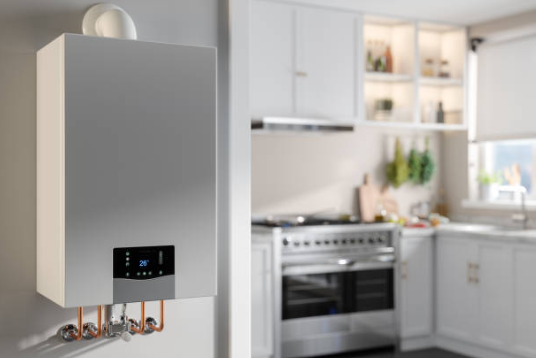
The ideal temperature for your water heater is 120°F. At this temperature, you get adequate hot water for showers, washing dishes, and laundry without excessive energy consumption or burn risk.
Why 120°F specifically? This temperature provides a balance. It’s hot enough to kill bacteria and handle household tasks effectively. It’s cool enough that accidental contact won’t cause serious burns within seconds. It’s also low enough to use less energy than hotter settings, saving money on utility bills. Many new water heaters come factory-set to 120°F for exactly these reasons.
Some households may need slightly different temperatures. Families with very young children or elderly members should use 120°F or even lower. Homes in areas with extremely cold incoming water might benefit from 125°F. The point is that 120°F is the baseline. Anything hotter typically offers minimal practical benefit and comes with real downsides.
Why Water Heater Temperature Matters
Your water heater temperature setting affects more than just how hot your water feels. It plays a key role in safety, efficiency, and long-term system reliability.
Safety and Burn Prevention
Water at 140°F can cause a severe burn in six seconds. Water at 130°F takes about 30 seconds. Water at 120°F takes several minutes. In households with young children or elderly residents, this difference is life-saving. A child turning on a hot tap for a brief period at 120°F is unlikely to suffer serious injury. The same brief contact at 140°F or higher causes damage almost immediately. This is why temperature selection is genuinely a safety issue.
Energy Consumption and Cost
Every 10-degree increase in temperature raises energy consumption. A water heater set to 130°F instead of 120°F uses noticeably more energy year-round. Over a year, that difference adds up to real money on your utility bill. For households on tight budgets, this impact is significant. Keeping the temperature at 120°F is one of the easiest ways to reduce energy waste without sacrificing comfort.
Bacteria Control
Water at 120°F is hot enough to prevent most bacterial growth, including Legionella bacteria that cause Legionnaires’ disease. You don’t need 140°F or higher for basic safety. Modern water heaters and distribution systems are designed around 120°F for this reason. Going much lower risks bacterial growth, but 120°F handles it adequately.
System Lifespan
Water heaters work harder at hotter temperatures. Tank corrosion, sediment buildup, and component stress all increase with higher temperatures. Setting your heater to 120°F instead of 150°F can actually extend the life of your system. It’s another reason professionals recommend the lower temperature.
Water Heater Temperature Setting A B C Explained
Many water heaters have dials or displays labeled with A, B, and C instead of temperature numbers. These letters represent temperature ranges, but they vary significantly by manufacturer.
On most standard water heaters:
- A Setting: Typically the lowest temperature, usually 110°F to 120°F. This is ideal for energy saving and is safe for most households. If your heater has this option, it’s often a reasonable choice.
- B Setting: The middle option, usually around 130°F. This is warmer than A but not the hottest. Many families use B as a compromise between hot water availability and energy cost.
- C Setting: Usually the hottest setting, often 140°F or above. This provides the maximum hot water output but uses the most energy and carries a higher burn risk. Most professionals recommend avoiding this setting for residential use.
The catch is that these letter settings don’t mean the same thing across all brands. An A on one water heater brand might be 115°F, while another brand’s A is 125°F. Your specific water heater manual is the only reliable source for what these settings mean on your system. If you don’t have your manual, you can often find it online by searching your heater’s brand and model number.
What Temperature Is B Setting on a Water Heater?
The B setting is not a universal standard. It varies from brand to brand. On many common residential water heaters, B is approximately 130°F. On others, it might be 135°F or even 125°F. This inconsistency is frustrating for homeowners trying to figure out the right temperature without a manual.
If you want to know precisely what the B setting on your water heater means, you have a few options. Check your manual first. If you’ve lost it, most manufacturers post manuals online. Search for your heater’s brand and model number, then add the word “manual,” and you’ll usually find a PDF download.
Some thermostats have a built-in temperature readout. If yours does, you can set it to B and read the actual temperature displayed. If you want to be absolutely certain, a plumber can measure the water temperature at your tap and tell you what temperature the current setting produces.
The reason this matters is that the water heater should be set to A, B, or C, depending on your specific household needs. If B is 130°F and that’s too hot for your situation, moving to A might give you the safety and efficiency benefits you want. If A is too cool and your hot water runs out quickly, B might be the right compromise.
How to Set Your Water Heater Temperature
The process differs slightly between gas and electric water heaters, but both are straightforward.
For Gas Water Heaters
Look for the thermostat dial at the bottom of the tank, usually behind an access panel. The dial is typically marked with temperature numbers or letters (A, B, C). Turn the dial to your desired setting. For most households, 120°F is ideal.
If your dial uses letters, consult your manual to confirm what temperature each letter represents. Make sure the dial clicks firmly into the new position. It usually takes a few hours for the water temperature to adjust. Test the water temperature at your tap before making further adjustments.
For Electric Water Heaters
Electric heaters usually have one or two thermostats accessed by removing a panel on the tank. You’ll see a dial behind the panel. Turn off the power to the heater at the circuit breaker before adjusting anything. Turn the dial to the desired temperature (or letter setting).
Most professionals recommend adjusting only the lower thermostat if there are two. Replace the panel and turn the power back on. Test the water temperature at your tap after waiting several hours for adjustment.
Safety Precautions
Never adjust while the water is running. The water inside the tank is much hotter than what comes from your tap, and a sudden adjustment can cause pressure changes. Don’t set the heater above 120°F unless you have a specific reason. Anything above 140°F is considered dangerous for residential use. If you’re uncomfortable adjusting the thermostat yourself, call a plumber. It’s a quick and inexpensive service.
When to Adjust Your Water Heater Temperature
Certain situations warrant temperature adjustments from the standard 120°F recommendation.
Households with Young Children or Elderly Members
Consider setting the temperature slightly lower, around 115°F to 120°F, to minimize burn risk. The extra margin of safety is worth any minor reduction in hot water availability.
High Demand Usage
Families that run multiple showers, laundry, and dishwashers simultaneously might benefit from 125°F. This gives a bit more hot water capacity without creating the efficiency loss of 130°F or higher.
Vacation or Extended Absence
Lowering the temperature to 115°F while away saves energy. Raise it back to 120°F when you return. Some heaters have vacation settings for exactly this reason.
Energy-Saving Goals
If your primary concern is minimizing energy costs, 120°F is usually the right choice. Some households with excellent insulation and low hot water demand might go slightly lower.
Chronic Scalding or Temperature Inconsistency
If you or family members are frequently burned by hot water, lower the temperature immediately. If hot water runs cold unexpectedly, it might indicate a failing thermostat rather than a temperature-setting issue. In that case, professional service is needed.
5 Signs Your Water Heater Temperature Is Set Incorrectly
Certain problems signal that your temperature setting needs adjustment.
- Water Too Hot
If you’re regularly scalded or the water feels dangerously hot, the temperature is set too high. Lower it gradually in small increments and test again. Most households don’t need anything above 125°F.
- Water Never Gets Hot Enough
If your shower goes cold mid-wash or hot water runs out quickly, the temperature might be set too low, or the heater isn’t providing adequate capacity. Try raising the temperature by one letter setting (A to B, for example) and see if it resolves the issue. If it doesn’t, the heater itself might need service.
- Unusually High Energy Bills
If your utility costs spike without explanation, an excessively high water heater temperature could be the cause. Lower the setting to 120°F and monitor your next bill. You should see a noticeable reduction over a few months.
- Fluctuating Water Temperature
Water temperature that swings between hot and cold suggests a failing thermostat rather than a setting issue. This requires professional diagnosis and likely thermostat replacement.
- Visible Rust or Corrosion
Excessive corrosion sometimes develops in heaters run at consistently high temperatures. This is both a sign that the temperature is set too high and a warning that the heater may be nearing the end of its lifespan.
When to Call a Professional
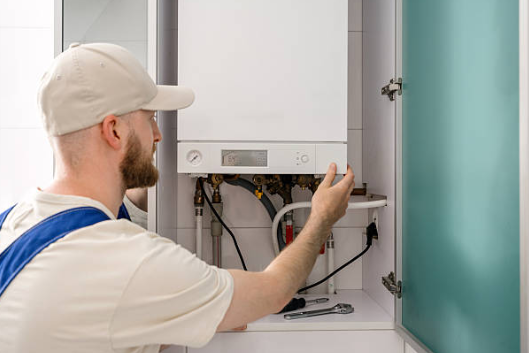
Some situations require professional help rather than DIY adjustment.
Faulty or Stuck Thermostat
If you adjust the temperature setting but the water temperature doesn’t change, the thermostat is likely broken. A plumber can replace it quickly, usually as an affordable repair.
Inconsistent Water Temperature Throughout the House
If some fixtures get hot water while others don’t, the issue might be with mixing valves, pipe insulation, or the heater itself. Professional diagnosis is necessary to identify the cause.
Safety Concerns
If you’re uncomfortable adjusting the heater, or if you notice any unusual smells, sounds, or leaks near the unit, call a professional immediately. Water heater safety is not worth guessing about.
No Hot Water at All
When the heater produces no hot water despite adjustment, the heating element or gas burner has likely failed. Professional service is needed.
Green Energy AC Heating & Plumbing Repair can help with water heater temperature adjustments, thermostat replacement, and full system diagnosis. If your water heater is giving you trouble or you’re unsure whether your temperature setting is correct, our technicians can evaluate your system and make the necessary adjustments. Call us for fast, reliable water heater service.
Keeping Your System Running Safely and Efficiently
The best temperature for my water heater is around 120°F for virtually all household situations. This temperature balances safety, comfort, and energy efficiency.
Understanding what the water heater should be set at A, B, or C matters because these settings vary by manufacturer. The B setting on your specific heater might be 130°F, 135°F, or something else entirely. Check your manual to know for certain.
Start by determining the temperature setting on the water heater by consulting your documentation. Then adjust to the appropriate setting for your household. For most families, 120°F is ideal. If you have young children or elderly family members, slightly lower is better. If you run out of hot water frequently, slightly higher might help, but 130°F should be the maximum.
Review your water heater temperature setting every year or whenever you notice unusual hot water behavior.
Small adjustments prevent problems before they become expensive. Keeping your water heater temperature setting optimized saves money on energy costs and protects your family from burn injuries. It’s one of the simplest maintenance tasks you can perform and one of the most impactful.