



An air conditioner that struggles to start is often trying to tell you something. The unit may click on, hum briefly, cause the lights to flicker, or trip the breaker before shutting back down. In many cases, those symptoms point to a compressor that is working harder than it should during startup.
One solution technicians often recommend is a hard start kit. The right hard start kit can reduce startup strain on a single-stage compressor by as much as 50%, making it especially valuable for older systems. That said, a hard start kit is not a universal fix. Some air conditioners benefit from one, while others can be damaged by the wrong installation or application.
Understanding when a hard start kit makes sense starts with recognizing the warning signs and knowing how your system operates. In this guide, we’ll explain what a hard start kit does, the signs that indicate your system may need one, and when installing one could help extend the life of your air conditioner.
Key Takeaways
- A hard start kit gives your compressor a torque boost so it starts faster and pulls less current.
- Clicking, humming, flickering lights, and tripped breakers are the classic signs of a hard starting compressor.
- Kits work on single stage air conditioners and heat pumps, not two stage or variable speed units.
- Installed cost runs about $300 to $350, far less than a $2,500 plus compressor replacement.
- A hard start kit treats symptoms, so always have a professional diagnose the root cause first.
What Is an AC Compressor Hard Start Kit?
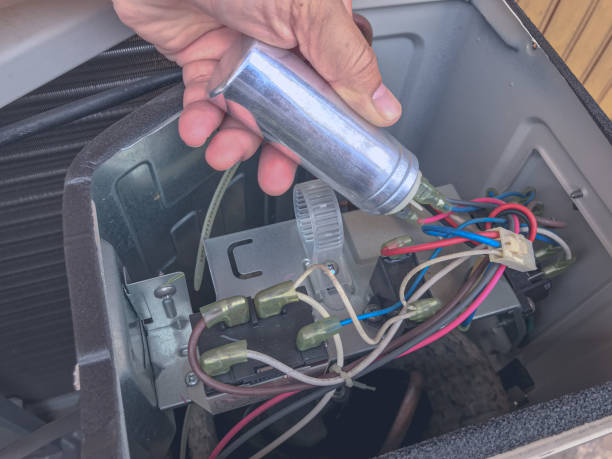
An AC compressor hard start kit is a small electrical device that gives your air conditioner’s compressor an extra jolt of torque so it can start quickly and smoothly. It pairs a start capacitor with a relay that drops the capacitor out of the circuit the moment the compressor is running. That short burst of added power reduces the current draw and mechanical strain during the first few seconds of startup.
Think of it like a jump start for a car battery. It gets a struggling motor moving, but it does not repair whatever made starting hard in the first place. On a single stage system, that boost can mean the difference between a clean start and a compressor that grinds, stalls, and slowly wears itself out.
How a Hard Start Kit Works
A compressor needs a large surge of power to overcome resistance and begin turning. When the standard run capacitor weakens or the motor ages, that surge is not enough, and the compressor labors to start. A hard start kit steps in to supply the missing push.
The kit stores extra electrical energy and releases it at the exact moment the compressor calls for it. Once the motor reaches running speed, the relay disconnects the start capacitor so the system runs normally.
The result is a shorter, stronger startup that pulls less current from your home’s electrical panel. That is also why a properly matched kit can ease so much of the stress your compressor feels every time the unit cycles on during a hot Canton summer.
4 Signs Your AC May Need a Hard Start Kit
Most homeowners do not think about startup until something sounds wrong. A hard starting compressor tends to announce itself in a few clear ways, and catching these early can save you from a much larger repair.
1. Clicking or Humming When the Unit Turns On
A clicking or humming sound from the outdoor unit usually means the compressor is trying to start but cannot pull enough power. The motor strains, stops, and tries again. Left alone, that repeated effort wears the compressor down fast.
2. Lights Dimming or Flickering at Startup
If your indoor lights dim or flicker the moment the air conditioner kicks on, the compressor is drawing too much current from your electrical system. That heavy draw stresses both the unit and your wiring.
3. The Circuit Breaker Keeps Tripping
A breaker that trips when the AC starts is doing its job, cutting power before the excess current causes damage. Frequent trips at startup are a strong signal the compressor needs help getting going.
4. Short Cycling
Short cycling happens when the unit starts, runs for a moment, then shuts off before finishing a cooling cycle. It lowers efficiency, leaves rooms warm, and adds heavy wear to the compressor. If your system is showing these signs, scheduling AC repair can help determine whether a hard start kit will solve the issue or if a larger repair is needed.
Do You Actually Need a Hard Start Kit?
You need a hard start kit only when your compressor genuinely struggles to start, or when you want to protect a single stage system from that strain over time. For a unit that starts cleanly every cycle, a kit adds little benefit and can even create problems if it is oversized.
A hard start kit makes the most sense in a few situations. Older systems, usually 10 to 15 years old, develop worn components that make starting harder, and a kit can buy you a few more seasons.
Homes with low or inconsistent voltage, long refrigerant line runs, or multiple cooling systems running at once also ask more of the compressor at startup, so a kit can steady those starts. Newer single stage condensers often ship without a kit to keep manufacturing costs down, so adding one early can reduce wear from day one.
Routine AC maintenance gives a technician the opportunity to evaluate your system and determine whether a hard start kit would be beneficial.
Which AC Systems Can Use a Hard Start Kit?
Hard start kits are built for single stage air conditioners and heat pumps, which run at full power or not at all. That simple on or off design is what the kit’s capacitor and relay are made to support.
Two stage and variable speed systems are a different story. These units use a more advanced electrical setup, often starting at a reduced power level and ramping up gradually, so they do not face the same hard startup surge.
Adding a hard start kit to one of these systems is unnecessary and can interfere with how the unit is engineered to run. If you are unsure which type you own, your installer or a service technician can confirm it during a visit.
How Much Does a Hard Start Kit Cost?
A hard start kit typically costs about $300 to $350 installed, including parts and labor. That is a modest investment next to the alternative.
A failing compressor that goes unaddressed often leads to full AC compressor replacement, which runs $2,500 or more depending on the system. When a kit can ease the strain that wears a compressor out, spending a few hundred dollars to delay a far larger bill is an easy call for many homeowners.
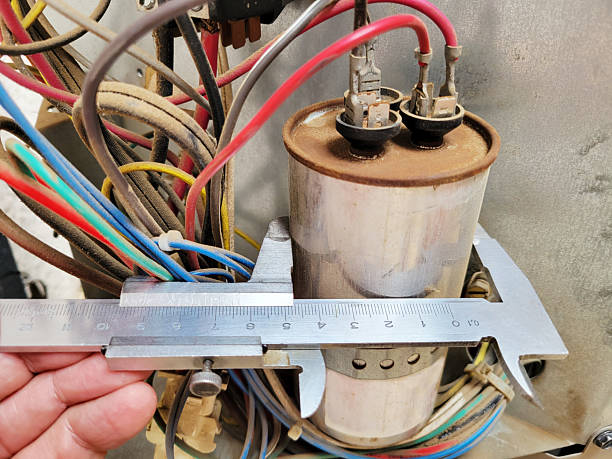
The key is making sure the kit fits your specific unit, because a mismatched capacitor can push too much torque and shorten the compressor’s life instead of extending it.
The Benefits and Limits of a Hard Start Kit
When properly matched to the system, a hard start kit can provide several worthwhile benefits, especially for older air conditioners or units that have begun showing signs of startup strain.
Potential benefits include:
- More reliable startups by giving the compressor an extra boost when it first turns on.
- Reduced stress on the compressor during the most demanding part of the cooling cycle.
- Less short cycling and hard starting, which can improve overall system performance.
- Potentially longer compressor life, particularly in aging systems that still have years of service left.
- Slight energy savings because the system reaches operating speed more efficiently.
At the same time, it is important to understand what a hard start kit cannot do.
A hard start kit helps a struggling compressor start more easily, but it does not repair the underlying reason the compressor is struggling in the first place. Problems such as low refrigerant levels, electrical issues, failing capacitors, damaged wiring, or a compressor nearing the end of its lifespan will still need to be addressed.
In some cases, installing a hard start kit without diagnosing the root cause can simply mask the symptoms while the actual problem continues to worsen. An improperly sized or poorly matched kit can also create new issues by placing unnecessary stress on other electrical components.
That is why a hard start kit should be viewed as a targeted solution, not a cure-all. A proper diagnosis should always come first, followed by a recommendation based on the condition of the system and compressor.
A Canton Homeowner’s Hard Start Story
A homeowner on Pecunit Street in Canton called Green Energy AC Heating & Plumbing Repair after noticing their 12-year-old air conditioner clicked loudly and shut off seconds after starting, while the kitchen lights flickered each time it tried to run. With temperatures climbing, they wanted answers before the unit quit for good.
Our technician tested the capacitor, checked voltage at the condenser, and confirmed the compressor was drawing excess current at startup but was otherwise mechanically sound. We installed a properly matched hard start kit, verified the relay dropped the start capacitor out once the motor reached speed, and ran the system through several full cycles to confirm clean, stable starts.
The flickering stopped, the short cycling ended, and the homeowner got dependable cooling without the cost of a new compressor. It is a good reminder that an early call, paired with a real diagnosis, can turn a looming breakdown into a simple same day fix.
When to Call an HVAC Professional
A hard start kit involves live electrical components and a capacitor that holds a charge even when the power is off, so this is not a safe do it yourself project. A wrong connection or a mismatched part can damage the compressor or injure you. Beyond safety, the bigger reason to call a professional is the diagnosis, since the symptoms of a hard starting compressor often overlap with refrigerant, wiring, and motor problems that a kit will not solve.
The team at Green Energy AC Heating & Plumbing Repair has served homeowners across Canton and Norfolk County since 2008, with NATE-certified technicians and a BBB A plus rating. We test your system, confirm whether a hard-start kit is the right solution, and size it correctly for your exact unit.
If the better long term move is a new system, we also handle professional AC installation, so you are not pouring money into equipment near the end of its life. Call us the moment your AC starts clicking, humming, or tripping the breaker, and we will get to the bottom of it quickly.
What to Do If Your AC Is Hard Starting This Summer
A hard start kit is a smart, affordable tool when it fits the situation, an older single stage system that struggles to start, a home with voltage or line length challenges, or a new condenser you want to protect from day one.
It is the wrong tool when the real issue is a leak, a failing motor, or a system that simply needs replacing. The difference between those two outcomes comes down to a proper diagnosis, and that is where an experienced technician earns their keep.
If your air conditioner is clicking, humming, flickering your lights, or shutting off too soon, do not wait for it to quit during the next heat wave. Call Green Energy AC Heating & Plumbing Repair at 781-236-3421 and schedule a visit. We will tell you honestly whether a hard start kit will solve the problem or whether your system needs more, and then we will get your home cool again.
FAQ
How much does it cost to install a hard start kit?
A hard start kit usually costs about $300 to $350 installed, including parts and labor. That is far cheaper than a compressor replacement, which can run $2,500 or more, so a properly matched kit is often a cost effective way to protect an aging system.
Can I install a hard start kit myself?
Installing a hard start kit is not recommended as a DIY job. It involves live wiring and a capacitor that stores a dangerous charge even with the power off. A licensed technician also confirms the kit is correctly sized, since a mismatched part can damage your compressor.
Will a hard start kit fix a bad compressor?
No. A hard start kit helps a healthy compressor start more easily, but it cannot repair internal mechanical damage. If your compressor is failing from a leak, electrical fault, or worn motor, the kit only masks the problem temporarily while the real issue continues to worsen.
How long does a hard start kit last?
A quality hard start kit can last several years, often as long as the compressor it supports. Its lifespan depends on the condition of your system, your home’s voltage stability, and whether the kit was correctly matched to your unit during installation.
Do new air conditioners need a hard start kit?
Most new single stage systems run fine without one, since manufacturers often leave them out to lower costs. Adding a kit to a new single stage unit can reduce startup wear from the start, but two stage and variable speed systems do not need one.